Snake Plant Care: Complete Beginner Guide
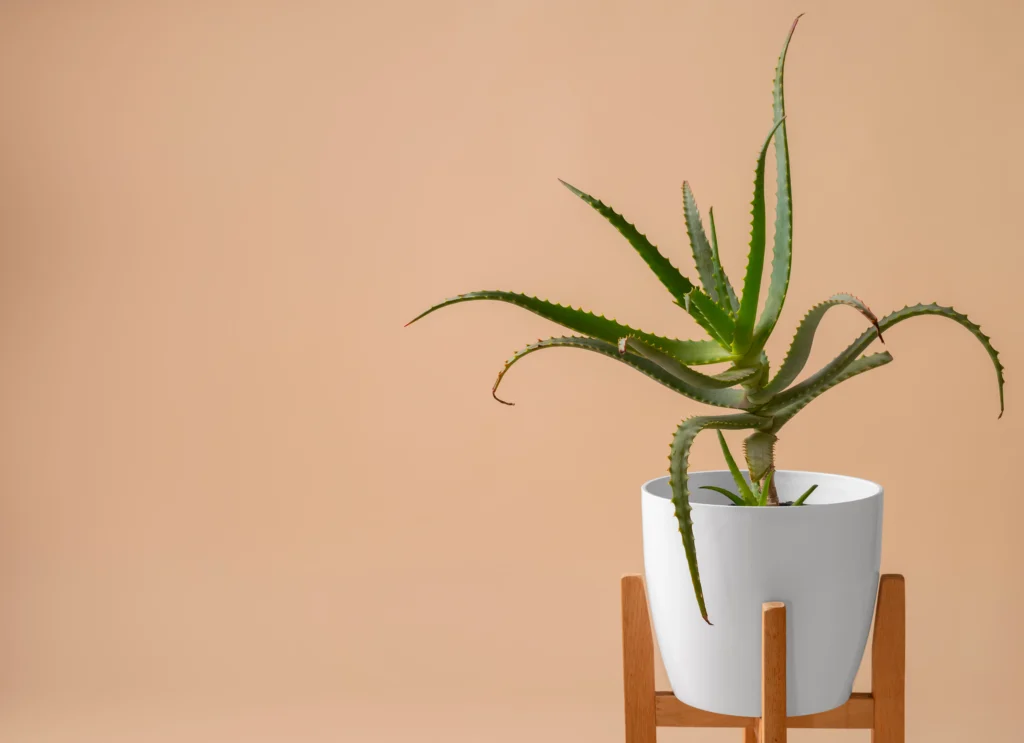
Most snake plants do not die from neglect — they decline from too much attention. Overwatering, oversized pots, and heavy soil cause far more problems than forgetting them for a week.
That is good news for beginners. Once you understand a few basics, snake plants are among the easiest indoor plants to grow. In this guide, you will learn how to handle light, watering, soil, seasonal care, repotting, propagation, and common problems.
Snake Plant Care Basics
If you only remember five things, remember these:
- Light: Bright indirect light is best, but the plant adapts to lower light.
- Water: Water only after the soil dries well.
- Soil: Use a loose, fast-draining potting mix.
- Temperature: Normal indoor temperatures work well.
- Pot: Always use a container with drainage holes.
Snake plants store moisture in their leaves and roots, which is why they cope well with missed waterings.
How to Care for Snake Plant Step by Step
Light Requirements
Snake plants tolerate many lighting conditions, but growth quality changes depending on placement.
- Best growth: Near a bright window with filtered light.
- Acceptable: Medium light rooms.
- Survival mode: Low light corners.
Low light usually means slower growth and fewer new leaves. If your plant has stopped growing for months, light is often the first thing to review.
Watering Schedule
This is the biggest make-or-break factor.
Do not water by calendar alone. Touch the soil first. If the top part still feels damp, wait.
General pattern:
- Spring/Summer: every 2–3 weeks for many homes
- Fall/Winter: every 4–6 weeks or longer
Your room temperature, pot type, and light level matter more than any fixed schedule.
Helpful tip: Terracotta pots dry faster than plastic pots, so they are often easier for beginners.
Best Soil Mix
Dense soil stays wet too long. Snake plants prefer air around the roots.
Try this simple mix:
- 2 parts indoor potting mix
- 1 part perlite
- 1 part cactus mix or coarse sand
If water still sits on top for long periods, the mix is too heavy.
Temperature and Humidity
Average indoor conditions are usually enough. Keep the plant away from freezing drafts, heaters blasting hot air, or constantly wet bathrooms with no airflow.
A comfortable room for you is usually comfortable for a snake plant.
Fertilizer Tips
Snake plants do not need heavy feeding.
Use a balanced fertilizer at half strength once in spring and once in summer if you want faster growth. Skip feeding in winter.
Too much fertilizer can damage roots more easily than too little.
Snake Plant Care Indoors
Snake plants fit well in bedrooms, offices, living rooms, and entryways.
Best Placement
- Near an east-facing window
- A few feet back from a south-facing window
- Bright office with natural light
Low Light Truth
They can survive low light, but survival is not the same as thriving. If leaves look dull or growth stalls, move the plant brighter.
Airflow Matters
Still, stale corners can encourage problems. A little airflow helps keep leaves and soil healthier.
Common Snake Plant Problems and Fixes
Yellow Leaves
Usually caused by excess moisture.
What to do:
- Let soil dry more between waterings
- Check drainage holes
- Inspect roots if yellowing spreads quickly
Mushy Roots
A classic sign of root rot.
What to do:
- Remove from pot
- Trim soft black roots
- Repot into dry fresh mix
- Wait several days before watering
Drooping Leaves
Often linked to watering stress or a pot that is too large.
What to do:
Check roots, reduce watering, and move to a better-sized container if needed.
Slow Growth
Sometimes normal. Snake plants are not fast growers.
If growth has fully stopped, improve light, refresh soil, or check if roots are crowded.
Brown Tips
Often caused by mineral buildup, watering inconsistency, or stress.
Trim damaged tips neatly and review watering habits.
Snake Plant Care in Winter
Winter changes care needs.
- Water less often
- Stop fertilizer
- Keep away from cold drafts
- Expect slower growth
Many owners think the plant is failing in winter when it is simply resting.
How to Repot and Propagate Snake Plant
When to Repot
Repot when:
- roots circle heavily inside the pot
n- plant becomes top heavy - soil dries unusually fast
- growth declines despite good care
Usually every 2–3 years is enough.
Choosing Pot Size
Go only one size larger. Extra soil holds extra moisture.
Division Method
Fastest way to make new plants:
- Remove plant from pot
- Separate rooted sections
- Replant each section
- Water lightly
Leaf Cutting Method
Good if you want more plants from one leaf:
- Cut healthy leaf
- Let cut end dry
- Plant in light soil
- Keep slightly moist
This method takes longer.
Mistakes to Avoid with Snake Plants
- Watering on schedule without checking soil
- Decorative pots with no drainage
- Keeping it in darkness for months
- Using compact garden soil
- Feeding too often
- Choosing a huge pot too early
- Ignoring soft yellow leaves at the base
FAQs About Snake Plant Care
How to care for a snake plant?
Give it bright indirect light, allow soil to dry between waterings, and use a draining pot with loose soil.
How to care for snake plant indoors?
Place it near a bright window, avoid cold drafts, and water sparingly.
How often should I water a snake plant?
Only when the soil is dry. Many homes fall between 2 and 6 weeks depending on season and light.
Can snake plants survive low light?
Yes, but they usually grow better in brighter indirect light.
Why are my snake plant leaves turning yellow?
Most often from overwatering or poor drainage.
Are snake plants toxic to pets?
Yes. Keep them out of reach of cats and dogs that chew plants.
Final Thoughts
Snake plant care becomes simple once you stop overcomplicating it. Give the plant enough light, avoid soggy soil, and use the right pot. Those basics solve most problems before they start.
If your plant already looks stressed, do not panic. Adjust one issue at a time and give it a few weeks. Snake plants are resilient and often recover well.
If you’re building a healthier indoor garden beyond snake plants, read our complete Indoor Plant Care Tips guide. It covers watering habits, light placement, humidity, repotting, and beginner-friendly advice for many common houseplants.
Some images in this post are provided by Freepik and used under the Freepik free license with creator attribution where required.