The Bird of Paradise is one of the most dramatic and rewarding plants you can grow. With its massive, paddle-shaped leaves and — if you’re patient enough — stunning tropical flowers that look like an exotic bird in flight, it’s no wonder this plant has become a favorite in homes and gardens worldwide. But like any tropical beauty, it has its preferences. Get those right, and it will reward you with lush, spectacular growth for decades.
This guide covers everything you need to know — from light and watering to seasonal care, common problems, and propagation.
If you’re building a healthy plant routine, these indoor plant care tips can help you avoid common mistakes with watering, lighting, and soil balance.
Bird of Paradise Plant Care Basics
The Bird of Paradise (Strelitzia reginae or the giant Strelitzia nicolai) originates from South Africa, where it grows in warm, sunny, and well-drained conditions. Indoors, it can reach 5–8 feet tall. Outdoors in the right climate, it can tower even higher.
One thing every new owner must accept: this plant demands patience. It grows slowly, especially indoors. It may take 3–5 years to flower, and that’s perfectly normal. What it lacks in speed, it more than makes up for in presence and longevity.
The ideal environment combines bright light, warmth, good drainage, and moderate humidity — conditions that mimic its South African homeland.
How to Care for a Bird of Paradise Plant
The core care routine is simpler than most people think:
- Light — as much bright light as you can give it
- Water — deeply, but only when the top 2 inches of soil feel dry
- Feed — during spring and summer, not in winter
- Clean — wipe leaves occasionally to remove dust and improve light absorption
A happy Bird of Paradise stands upright with glossy, dark green leaves that unfurl regularly during the growing season. If yours looks like that, you’re doing it right.
How to Care for Bird of Paradise Plant Indoors
Indoors, light is everything. Place your plant near the brightest window in your home — ideally a south or west-facing window that gets several hours of direct or strong indirect sun each day.
In rooms with lower natural light, the plant will survive but grow very slowly and is unlikely to ever flower. If your home doesn’t get great light, consider a grow light placed close to the plant for 12–14 hours a day.
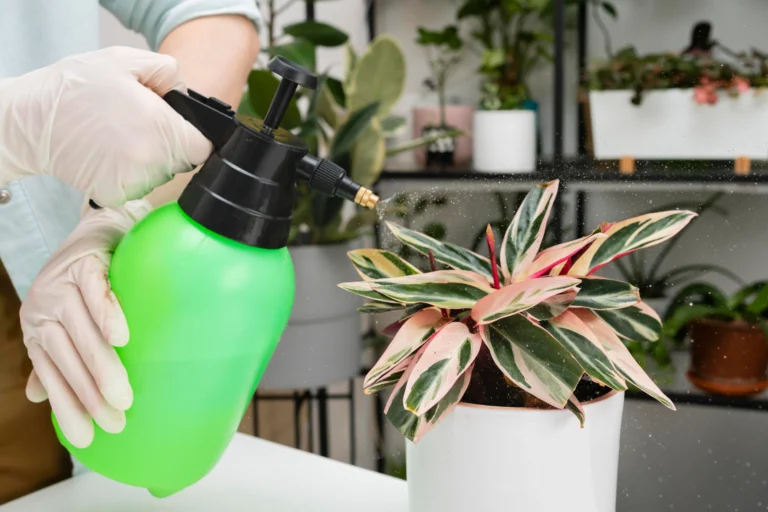
Humidity matters too. Bird of Paradise prefers humidity between 40–60%. In dry homes, especially during winter when heaters run constantly, mist the leaves occasionally, place a humidifier nearby, or set the pot on a tray filled with pebbles and water.
Rotate the pot every few weeks so all sides of the plant receive equal light and growth stays even rather than leaning toward the window.
How to Take Care of a Bird of Paradise Plant in Every Season
Spring & Summer — The Active Growth Period
This is when your plant wakes up and grows most vigorously. During these months:
- Water more frequently, checking the soil every 5–7 days
- Feed every 2–4 weeks with a balanced liquid fertilizer
- Watch for new leaves unfurling — this is the most exciting part of owning this plant
- Repotting, if needed, is best done in spring
Fall & Winter — The Rest Period
Growth slows significantly as days shorten and temperatures drop.
- Reduce watering — let the soil dry out more between sessions
- Stop fertilizing entirely from October through February
- Keep the plant away from cold drafts, air conditioning vents, and windows that get very cold at night
- Ideal winter indoor temperature: no lower than 55°F (13°C)
Light Requirements for Bird of Paradise Plant Care
Bird of Paradise is a sun-lover. It thrives in bright direct to bright indirect light for at least 6 hours a day.
- Indoors: A south or west-facing window is ideal. East-facing windows work but produce slower growth.
- Low light: The plant will survive in low light but will not flourish — leaves become smaller, growth stalls, and flowering becomes impossible.
- Outdoors: In warm climates, it loves full sun or light dappled shade. A few hours of direct morning sun with afternoon shade works beautifully outdoors.
If you notice your plant leaning aggressively toward a light source, it’s telling you it needs more sun.
Watering Guide for Bird of Paradise Plant Care
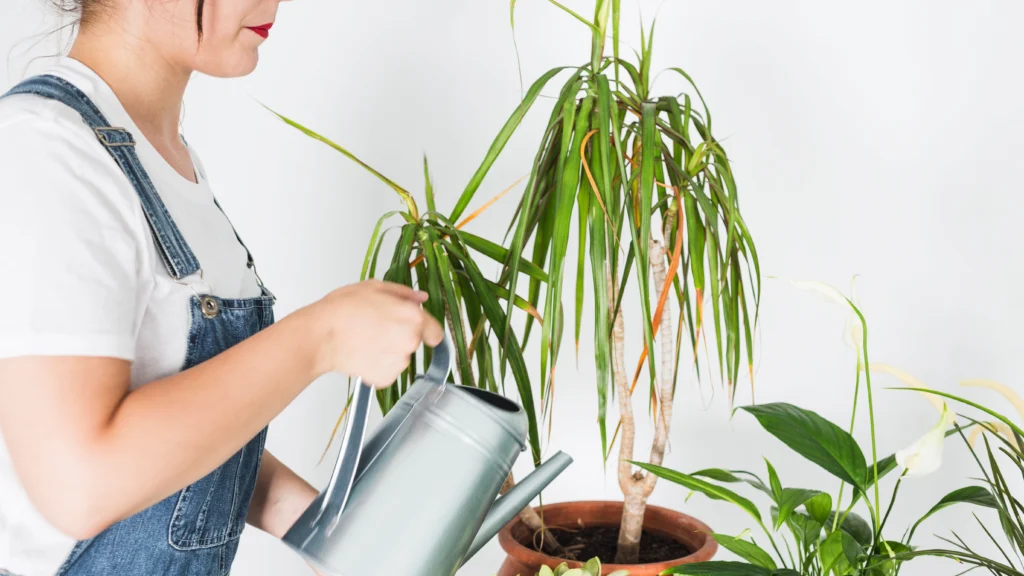
Watering mistakes are the most common reason Bird of Paradise plants struggle. Here’s how to get it right:
How often: Water deeply when the top 2 inches of soil feel dry to the touch. In summer, this might be every 7–10 days. In winter, it could stretch to every 14–21 days.
How to check: Don’t rely on a schedule — always check the soil with your finger before watering. If it still feels damp, wait.
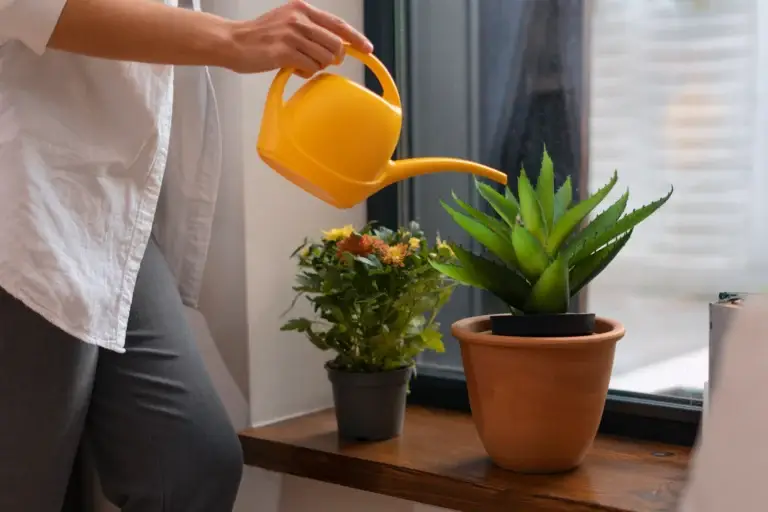
How to water: Water slowly and thoroughly until water drains freely from the bottom of the pot. Empty the drainage tray after 30 minutes so the plant never sits in standing water.
Overwatering Symptoms
- Yellow leaves, especially lower ones
- Soft, mushy stems at the base
- Mold or a sour smell from the soil
- Root rot (roots turn brown and mushy)
Underwatering Symptoms
- Drooping or curling leaves
- Dry, crispy brown leaf edges
- Bone-dry soil pulling away from the pot edges
- Leaves that look dull rather than glossy
Best Soil and Pot for Bird of Paradise Plant Care
Bird of Paradise needs well-draining soil above everything else. A good mix contains:
- 60% quality potting soil
- 20% perlite or coarse sand (for drainage)
- 20% coco coir or bark (for aeration and moisture retention)
Avoid heavy soils that compact and hold too much water — they’re the fastest path to root rot.
Pot size: Choose a pot only slightly larger than the root ball. Too large a pot holds excess moisture the roots can’t absorb, leading to rot. A pot with at least one large drainage hole is non-negotiable.
When to upsize: When roots start creeping out of drainage holes or visibly circling the surface, it’s time to move up one pot size (usually 2 inches larger in diameter).
Fertilizer Tips for Bird of Paradise Plant Care
Feed your Bird of Paradise during its active growing season — spring through early fall.
- Best type: A balanced liquid fertilizer (10-10-10) or one slightly higher in nitrogen to encourage lush leaf growth. Dilute to half strength.
- Frequency: Every 2–4 weeks during spring and summer
- Stop feeding: From October to February, the plant is resting and cannot use nutrients effectively — excess fertilizer causes salt buildup that burns roots
- Signs of over-fertilization: Brown leaf edges that look burnt, crusty white deposits on the soil surface
If you prefer organic options, liquid seaweed, fish emulsion, or worm castings work well and are gentler on roots.
Humidity and Temperature Needs
Bird of Paradise is a warm-climate plant that dislikes cold and dryness.
- Ideal temperature: 65–85°F (18–30°C) indoors
- Minimum temperature: Never below 50°F (10°C); frost will kill it
- Ideal humidity: 40–60%
In particularly dry environments, leaves may develop brown tips even with correct watering — this is a humidity issue, not a watering one. Group plants together, use a humidifier, or mist leaves lightly in the morning.
Pruning, Cleaning, and Repotting
Pruning
Remove dead, brown, or damaged leaves by cutting them off at the base of the stem with clean, sharp scissors or pruning shears. Never pull leaves off — this can damage the stem.
Cleaning
Dust accumulates on the large leaves and blocks light absorption. Wipe leaves gently with a damp cloth every few weeks. This also discourages pests that love dusty, neglected foliage.
Repotting
Repot every 2–3 years, or when the plant becomes clearly rootbound. Spring is the best time. When repotting:
- Gently remove the plant from its current pot
- Shake off old soil and inspect roots — trim any dead or rotten ones
- Place in a new pot with fresh well-draining mix
- Water lightly and place in bright indirect light for a couple of weeks while it adjusts
Note: Bird of Paradise actually blooms better when slightly rootbound, so don’t be in a rush to upsize.
Common Bird of Paradise Problems and Fixes
Brown Leaf Tips
Cause: Low humidity, over-fertilization, or inconsistent watering Fix: Increase humidity, flush the soil with plain water to remove salt buildup, and check your watering routine
Yellow Leaves
Cause: Overwatering, poor drainage, or natural aging of lower leaves Fix: Check soil moisture and drainage; if the root ball is soggy, let it dry out before watering again
Drooping Leaves
Cause: Underwatering, root rot, or being moved suddenly to a new environment Fix: Check the soil — if dry, water deeply; if soggy, let it dry out. Drooping after moving is normal and temporary.
Split Leaves
Cause: Natural and normal — leaves split along the veins to allow wind to pass through without snapping the stem. Outdoors this is totally natural. Fix: Nothing needed. It’s not damage; it’s design.
No Flowers
Cause: Insufficient light, plant too young (under 3–5 years), pot too large, or being moved too often Fix: Maximize light, leave it slightly rootbound, keep it in one stable spot, and be patient
Bird of Paradise Plant Care Outdoors
In warm climates (USDA zones 10–12), Bird of Paradise thrives outdoors year-round. In cooler climates, it can spend summer outside and be brought indoors before temperatures drop below 50°F.
Outdoor requirements:
- Full sun to light partial shade
- Well-draining garden soil or raised bed
- Protection from strong frost and cold winds
- Regular watering during dry months, but not waterlogged soil
Outdoor plants are significantly more likely to flower than indoor ones, thanks to better light exposure and natural temperature fluctuations that trigger blooming.
How to Propagate Bird of Paradise Plant
The most reliable method is division — splitting an established clump into two or more plants.
When to propagate: Spring, at the start of the growing season
How to divide:
- Remove the entire plant from its pot
- Identify natural clumps or offsets with their own roots
- Use a clean, sharp knife to separate them — each division needs healthy roots and at least one growing point
- Pot each division in well-draining mix
- Water lightly and keep in warm, bright indirect light
- Expect a period of adjustment — divided plants may look stressed for a few weeks before settling in
Propagation from seed is possible but extremely slow — it can take 7–10 years for a seed-grown plant to flower.
Bird of Paradise Plant Care Mistakes to Avoid
Too little light — This is the single most common mistake. Without sufficient light, the plant declines slowly over months.
Poor drainage — Soil that stays wet too long is the fastest way to kill this plant. Always use well-draining mix and a pot with drainage holes.
Overwatering — Water less than you think you need to, especially in winter.
Moving the plant too often — Bird of Paradise hates being relocated. Every time it moves to new light conditions, it has to readjust. Find it one good spot and leave it there.
Ignoring pests — Spider mites, mealybugs, and scale insects can hide on the undersides of leaves. Check regularly and treat early with neem oil or insecticidal soap.
FAQs About Bird of Paradise Plant Care
How to care for a bird of paradise plant? Provide the brightest light possible, water when the top 2 inches of soil dry out, use a well-draining soil mix, feed during spring and summer, and keep temperatures consistently warm.
How to care for bird of paradise plant indoors? Place it near a sunny south or west-facing window, maintain moderate humidity, rotate the pot regularly for even growth, and never let it sit in waterlogged soil.
How often should I water my Bird of Paradise? Every 7–10 days in summer, every 14–21 days in winter — but always check the soil first. Let the top 2 inches dry out before watering again.
Why are my Bird of Paradise leaves turning yellow? Usually overwatering or poor drainage. Let the soil dry out more between waterings and ensure the pot drains freely.
Why isn’t my Bird of Paradise flowering? Most likely insufficient light, the plant being too young, or being moved too often. Ensure maximum light, keep it slightly rootbound, and give it time — flowering requires patience.
Final Thoughts
Bird of Paradise is not a fussy plant — it’s simply a tropical plant that knows what it wants. Give it plenty of light, don’t drown it, keep it warm, and resist the urge to move it around or fuss with it constantly. In return, it will grow into one of the most impressive, architectural plants you’ve ever owned.
The leaves alone — glossy, enormous, and theatrical — are reason enough to grow it. The flowers, when they finally arrive, are simply the reward for your patience.
Start with light. Get the watering right. Everything else falls into place.
Image Credits: Some images used in this article are sourced from Freepik and belong to their respective creators. Used under Freepik license.