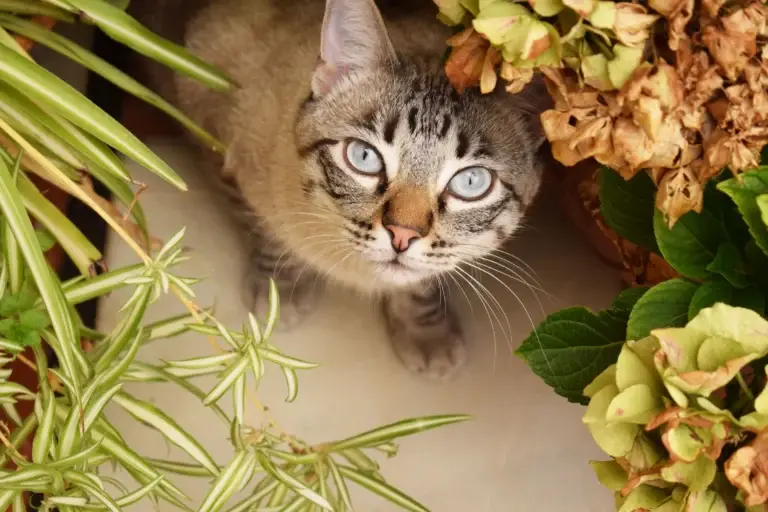
Chlorophytum Spider Plant Care Made Simple
You searched “why is my spider plant turning brown” or “why is it growing babies but looks half dead at the base.” Maybe you found a dozen articles that all said the same thing — indirect light, water weekly, done.
And yet your plant still looks off.
Here is the thing nobody says out loud: spider plants are not zero-effort plants. They are forgiving, yes. They survive neglect that would kill most houseplants. But surviving and actually thriving are two completely different things.
This guide is not a copy-paste care list. It is an honest look at what spider plants actually need, why they react the way they do, and how small habit changes produce visible results fast.
The Spider Plant Reality: What Nobody Tells Beginners
Walk into any plant shop and someone will tell you spider plants are “impossible to kill.” That is technically true. But that same advice sets a lot of beginners up for disappointment.
Here is what those conversations leave out:
It reacts faster than you think. Brown tips can appear within days of a single bad watering. Pale, washed-out leaves can show up after just a week in direct sun. This is not a slow, drama-free plant — it is just a forgiving one.
Overwatering is more dangerous than neglect. A spider plant left dry for ten days will bounce back quickly once watered. A spider plant sitting in wet soil for ten days may be heading toward root rot that takes weeks to recover from. Neglect is recoverable. Chronic overwatering often is not.
Tap water quality actually matters. Most care guides skip this entirely. Spider plants are sensitive to fluoride and chlorine in tap water. Over time, the buildup of these minerals causes the classic brown tip problem that no amount of watering adjustment will fix — because the problem is not how much you water, it is what you are watering with.
Understanding these three things alone puts you ahead of most plant owners who are following generic advice and wondering why it is not working.
What a Healthy Spider Plant Actually Looks Like
Before you start adjusting care routines, it helps to know what you are aiming for. A genuinely healthy spider plant is easy to recognize.
Bright, arching green leaves. The leaves should have good color — deep green in solid varieties, with clean white or yellow stripes in variegated types. Dull, faded, or yellowish color usually means something is off with light or nutrients.
No brown tips. A few minor brown edges are common and not alarming. But widespread brown tipping along most of the leaves is a clear sign of water mineral buildup or inconsistent watering.
Active baby production. A content, root-bound plant in good light will send out long runners (stolons) with small plantlets at the ends. These “spiderettes” are a sign the plant feels settled and secure enough to reproduce.
Firm, white roots. If you gently remove the plant from its pot, healthy roots should be white or light tan, firm to the touch. Dark brown, mushy roots mean overwatering. Tightly coiled, circling roots mean it is time to repot.
A balanced leaf spread. The center of the plant should look full and upright. If the center is collapsing inward or the leaves are limp despite adequate watering, check drainage and root health.
Use this as your benchmark. When something changes, you will notice it faster.
The “Invisible Care Triangle”: The Real Growth Formula
Most spider plant guides focus on one thing at a time — light, water, soil. But healthy growth comes from three factors working together consistently. Think of it as a triangle. Weaken any one side and the whole structure wobbles.
1. Light Stability (Not Just Light Level)
People focus on finding the right amount of light, which matters. But what matters almost as much is consistency.
Spider plants that get moved around frequently — from a bright window to a dark corner and back — experience stress with each shift. The leaves adapt to one light level and then have to adapt all over again. This slows growth and can cause leaf discoloration even if the total light exposure is technically “enough.”
Find a spot with bright, indirect light and leave the plant there. A north or east-facing window is often ideal. Let it settle.
2. Moisture Balance (Root Breathing Matters More Than Schedule)
The goal is not wet or dry — it is balanced. Spider plant roots need moisture to absorb nutrients, but they also need oxygen. Soil that stays wet for too long suffocates roots, cutting off the oxygen they need to function.
The best approach: water thoroughly, let it drain completely, and then wait until the top inch or two of soil is dry before watering again. The exact number of days does not matter. The soil condition does.
Checking the soil with your finger takes five seconds. That single habit prevents most spider plant problems.
3. Mineral Load (The Hidden Factor)
This is the side of the triangle that most guides ignore entirely.
Tap water in many areas contains fluoride, chlorine, and dissolved salts. Spider plants are unusually sensitive to these minerals. When you water with tap water over months, those minerals accumulate in the soil. The plant absorbs them, and eventually the leaf tips begin to burn — from the inside out. No amount of humidity or watering adjustment fixes this because the cause is in the water itself.
Solutions: let tap water sit overnight before using (allows chlorine to dissipate), collect rainwater when possible, or use filtered water. If mineral buildup has already occurred, flush the soil thoroughly with clean water to push salts out through the drainage holes.
This one change often eliminates stubborn brown tips that nothing else has fixed.
Spider Plant Care in Real Home Conditions
Textbook care instructions assume ideal conditions. Real homes do not have ideal conditions. Here is how spider plants actually behave in different rooms.
Bedroom Care
Most bedrooms have moderate to low light, especially away from windows. Spider plants will survive here but grow slowly. Baby production slows down significantly. Watering frequency also drops — in low light the plant uses less water, so let the soil dry out more before each watering.
If you want a bedroom plant that grows actively, place it as close to the window as possible without direct sun exposure.
Kitchen Care
Kitchens often have better conditions than people expect. Ambient humidity from cooking, slightly warmer temperatures, and windows that get good morning light make kitchens genuinely good spots for spider plants.
Growth will be noticeably faster here than in a bedroom. Watch for heat stress near stoves or direct sun through south-facing windows.
Bathroom Care
Bathrooms have the best humidity in most homes, which spider plants appreciate. The challenge is light. Many bathrooms have small or frosted windows that let in very little natural light.
High humidity alone will not compensate for inadequate light. If your bathroom has a decent window, it can be an excellent spot. A windowless bathroom with artificial light is a survival environment at best.
Office or Desk Care
Offices with consistent artificial light or a steady north-facing window often produce excellent results. The key advantage here is stability — consistent temperature, consistent light, less disturbance. Spider plants thrive on routine, and office environments tend to be more predictable than homes.
Growth Triggers: How to Make It Multiply Fast
If your spider plant is alive but just sitting there without producing babies or new leaves, something is limiting its growth. Here is how to unlock it.
Let it get slightly root-bound. Counter-intuitive but true — spider plants produce more babies when their roots are a little crowded. A plant in a pot that is too large spends its energy on root development instead of leaf and offset production. Resist the urge to repot until you see roots coming out of the drainage holes.
Prioritize bright indirect light. This is the single biggest growth trigger. A spider plant near a bright window will produce runners and spiderettes steadily. The same plant in a dim corner may go months without producing a single baby.
Light fertilizing in spring. A diluted balanced liquid fertilizer (half the recommended strength) applied once or twice in spring and early summer gives the plant a nutritional boost right when it wants to grow. Do not overdo it — too much fertilizer causes leaf tip burn and actually slows baby production.
Remove old, damaged leaves. Brown, dead, or limp leaves drain the plant’s energy. Trimming them off redirects resources toward healthy new growth and baby production. Use clean scissors and cut close to the base.
Propagation Without Mistakes: A Simple System

Spider plants practically propagate themselves — but the method you choose affects how quickly the babies establish.
Method 1: Water Start
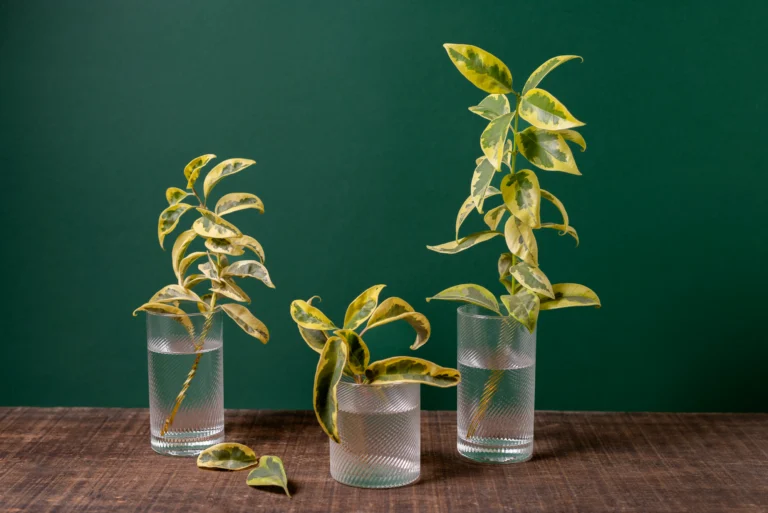
Cut a healthy spiderette from the runner, leaving a small stub at the base. Place it in a glass of water with the leaves above the waterline. Roots usually appear within one to two weeks.
This is the best method for beginners because you can see exactly what is happening. Once roots are about an inch long, move the baby to moist potting mix. The transition from water to soil takes a week or two of adjustment — keep the soil lightly moist during this period.
Method 2: Direct Soil Planting
Cut the spiderette and plant it directly into moist, well-draining soil. No water rooting stage. Keep the soil consistently moist (not wet) for the first two to three weeks while roots develop.
This method produces faster long-term adaptation because the roots develop in the same environment they will live in. The slight downside is you cannot see root development, so there is a little more uncertainty for beginners.
Method 3: Natural Hanging Method
This is the highest-success-rate method and requires the least effort. Instead of cutting the baby off the runner, simply place the spiderette directly on a small pot of moist soil while it is still attached to the parent plant. Pin it down lightly if needed.
The baby develops roots while still receiving nutrients from the mother plant. Once you can see or feel that roots have established (usually two to four weeks), cut the runner. The baby is already adapted to soil and rarely fails.
The Spider Plant Stress Signals Guide
Spider plants communicate through their leaves. Learning to read the signals saves a lot of guesswork.
Brown tips on otherwise healthy leaves → Water mineral buildup. The plant is absorbing fluoride or dissolved salts from tap water. Switch to filtered or rainwater. Flush the soil to remove buildup. Trim the brown tips with scissors.
Pale, washed-out, or bleached leaves → Too much direct sun. The plant is getting scorched. Move it back from the window or provide a sheer curtain as a filter. Color should recover within a few weeks.
No baby production for months → Low light or excess fertilizer. If the plant is in a dim spot, move it somewhere brighter. If you have been fertilizing heavily, stop for a season and let the plant reset.
Limp or drooping leaves despite regular watering → Root stress or poor drainage. The roots may be rotting from overwatering or suffocating in compacted soil. Remove from the pot, check the roots, trim any damaged ones, and repot in fresh well-draining soil.
Yellow leaves at the base → Overwatering. Reduce watering frequency immediately. Check that the pot has functional drainage holes. If the soil smells musty or the base feels soft, inspect the roots for rot.
Stunted, very slow growth with no new leaves → Root-bound or depleted soil. If the plant has been in the same pot for two or more years without fresh soil, the nutrients are likely exhausted. A light fertilizer in spring or a repot with fresh mix will help.
Seasonal Behavior: Why Your Plant Changes Through the Year
Spider plants follow a natural rhythm. Understanding it prevents panic when behavior shifts.
Spring is the most exciting season. Growth accelerates noticeably, new leaves push up from the center, and baby production begins or increases. This is the time to repot if needed, start light fertilizing, and increase watering slightly as the plant uses more water.
Summer brings peak growth but also peak stress risk. Long days and bright light fuel fast development, but heat and faster soil drying increase the chance of inconsistent moisture. Check soil more frequently. Watch for heat stress near south-facing windows or in rooms without air circulation.
Autumn signals a slowdown. Growth rate begins to drop and baby production often slows or stops. Start reducing fertilizer application. Watering frequency can also taper off as the plant begins to rest.
Winter is survival mode. The plant is still alive and still needs basic care, but it is not trying to grow. Minimal watering — only when the soil is genuinely dry. No fertilizer. No repotting. Keep it away from cold drafts and heating vents, both of which create dry, stressful air. Just let it rest until spring.
Spider Plant Care Mistakes That Break Growth
These are not the obvious beginners mistakes. These are the habits that cause slow, invisible damage over time.
Changing pot size too often. Every repot is a disturbance. Roots need time to settle, and frequent repotting delays baby production. Only repot when genuinely root-bound — every two to three years is usually right.
Using heavy garden soil. Garden soil compacts in pots, blocks drainage, and suffocates roots. Always use a well-draining indoor potting mix. Adding perlite improves it further.
Watering on a fixed schedule instead of checking the soil. “Water every Tuesday” does not account for season, temperature, pot size, or light level. The soil is your guide, not the calendar.
Ignoring water quality. Brown tips that keep coming back after you have fixed everything else are almost always caused by water minerals. This is one of the most overlooked problems in spider plant care.
Keeping it in permanent shade. It will not die, but it will not produce babies, it will not grow noticeably, and the leaves will lose their vibrancy over time. Bright indirect light is not optional for a plant that actually looks good.
Over-fertilizing to speed up growth. More fertilizer does not mean faster growth. It means salt buildup, brown tips, and stressed roots. A little in spring is plenty.
FAQs: Real Questions, Direct Answers
How do you care for a spider plant? Give it bright indirect light, water when the top inch of soil is dry, use well-draining potting mix, and avoid tap water with high mineral content. Keep temperatures between 60°F and 75°F. That covers about 90% of what it needs.
How to care for a spider plant indoors? Place it near a window with indirect light — east or north-facing is ideal. Water moderately, never letting the soil stay wet for long. Average indoor humidity is fine. Keep it away from heating vents and cold drafts.
How often should I water a spider plant? There is no single answer because it depends on your home’s humidity, light levels, pot size, and season. A general starting point is every 7 to 14 days in summer, every 14 to 21 days in winter. Check the soil each time — water when the top inch is dry, not on a fixed schedule.
Why is my spider plant turning brown? Most likely: fluoride or mineral buildup from tap water, inconsistent watering, or low humidity. Start by switching to filtered or rainwater and flushing the soil. Trim existing brown tips. If the problem continues, check for root issues.
Can a spider plant grow in low light? Yes, it can survive in low light. But it will not thrive there. In low light, growth slows dramatically, leaf color becomes dull, and baby production stops almost entirely. Bright indirect light is where spider plants actually flourish.
How do spider plant babies grow? The parent plant sends out long thin runners called stolons. At the end of each runner, a small plantlet (spiderette) develops with its own tiny leaves. These babies can be propagated by rooting them in water, planting them directly in soil, or allowing them to root naturally while still attached to the parent plant.
Final Insight: What Actually Makes the Difference
If you want a full beginner roadmap for all indoor plants, read our Indoor Plant Care Tips guide. It covers watering habits, light conditions, soil mixes, and care systems for multiple houseplants.
Spider plants do not fail because they are difficult. They are genuinely easy. They fail because people assume they need no attention at all — and then wonder why a plant that “survives everywhere” looks weak, pale, and rootbound in a dark corner with brown tips.
The plants you see thriving in bright windows with long runners of healthy babies are not lucky. They are in the right light, getting watered based on soil condition rather than habit, and drinking mineral-free water.
None of those things are complicated. They just require a small shift from passive neglect to occasional, intentional attention.
Make one change this week — move it closer to a window, or swap to filtered water for a month — and watch what happens. Small adjustments with spider plants produce visible results faster than almost any other houseplant.
Image Credits
Some images used in this article are sourced from Freepik under their free license. All credit goes to the original creators. Images are used for educational and informational purposes only.