Why Indoor Plants Die (Even When You Care for Them)
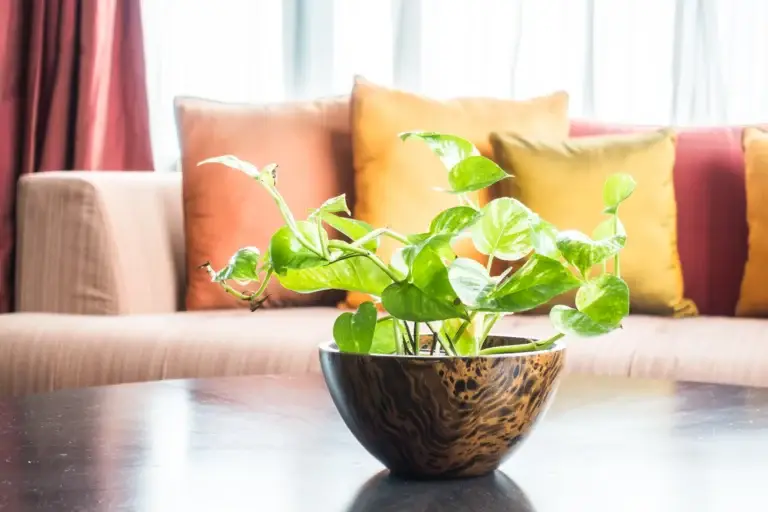
A while back, I killed a pothos. If you know anything about plants, you know that’s almost impressive — pothos are basically unkillable. And yet, there it was: yellowing, drooping, completely done with me.
Before that, a peace lily. I watered it every Sunday without fail. I kept it by the window. I even talked to it once (don’t judge). Still died.
I thought I was doing everything right. More care, more attention, more watering. So what actually went wrong?
The Real Reason Most Indoor Plants Die (It’s Not Lack of Care)
Here’s the thing nobody tells you upfront: most indoor plants don’t die from neglect. They die from wrong care.
You can water a plant every day and still kill it. You can place it near a window and still starve it of light. The problem usually isn’t effort — it’s a mismatch between what the plant actually needs and what the indoor environment offers.
Indoor plant care mistakes are rarely obvious. They don’t look like mistakes. Wrong watering habits feel like attentiveness. Keeping a plant in a low light corner feels fine because it looks okay — for a while. Then it doesn’t.
Understanding why plants behave differently indoors is the first step to keeping them alive.
What Changes When Plants Live Indoors
Plants evolved outside. Indoors, almost every condition they’re used to is reduced — less light, less airflow, more stable temperatures, and no natural rain cycle.
Because of this, a few things happen:
Growth slows down. With less light, plants can’t produce as much energy through photosynthesis — the process where they convert light into fuel. Less fuel means slower growth, less water intake, and more dormant periods.
Water usage drops. An outdoor plant in summer might need water every day. That same plant indoors might only need water once a week — or less. Its metabolism is just slower.
Soil stays wet much longer. Without wind, heat, and strong sunlight, moisture doesn’t evaporate the way it would outside. Wet soil that looks “just watered” might actually be dangerously soggy two days later.
Once you understand this, a lot of common indoor plant problems start to make sense.
5 Common Mistakes That Kill Indoor Plants
1. Watering on a Fixed Schedule
This is the most common mistake — and the hardest to let go of, because a schedule feels responsible.
The problem is that plants don’t care what day it is. They need water when the soil is dry — not on Tuesday. Watering on a fixed schedule ignores the actual moisture level in the pot, the season, the temperature, and how much light the plant is getting.
A plant in a bright room in summer might need water twice a week. That same plant in winter, in a dimmer spot, might need water once every ten days. A schedule doesn’t adjust for any of that.
2. Ignoring Light Conditions
Most plant labels say things like “bright indirect light” or “tolerates low light.” These phrases are easy to misread.
“Bright indirect light” means near a window — not across the room from one. “Low light tolerant” means the plant can survive in dimmer conditions, not that it thrives there. Plants placed too far from a light source will slowly stop growing, lose color, and eventually collapse.
If your plant is stretching toward the window or dropping leaves on the side away from light, it’s telling you something.
3. Using the Wrong Soil
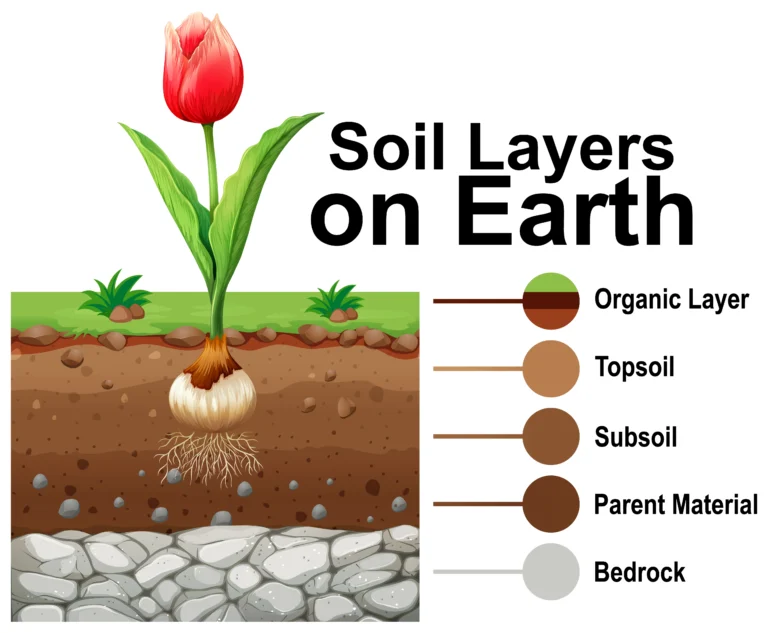
Standard potting mix works fine for outdoor plants. Indoors, it’s often too dense. It holds moisture longer than most indoor plants need, which keeps roots sitting in wet conditions — a fast route to root rot.
Plants like succulents, cacti, and many tropicals need a mix with better drainage. Adding perlite or coarse sand to regular potting soil makes a real difference. Poor drainage is one of those indoor plant problems that hides until the damage is already done.
4. Not Repotting When Needed
Plants that have outgrown their pots can’t absorb nutrients or water properly. Roots circle the inside of the pot, compress, and eventually block drainage entirely.
Signs it’s time to repot: roots coming out of the drainage hole, soil drying out unusually fast, or growth that’s slowed to nearly nothing despite good care. Moving up one pot size — not several — is usually enough.
5. Doing Too Much (Overcare)
Sometimes the plant isn’t dying from neglect. It’s dying from too much attention.
Constantly moving a plant to find “the perfect spot” stresses it. Checking the soil five times a day doesn’t help it grow. Misting it every few hours — despite what some guides suggest — can actually promote mold and fungal issues.
Plants like stability. Once you find a setup that works, the best thing you can do is leave it alone.
What I Noticed After Changing One Habit
After losing that pothos, I decided to try one change: stop watering on a schedule and start checking the soil first.
Before: I watered every Sunday, regardless of how the soil felt.
After: I started poking a finger into the soil before every watering. If it felt damp even an inch down, I waited. If it felt dry, I watered thoroughly.
Within a month, the next pothos I bought was noticeably healthier. Leaves stayed green. New growth appeared. Nothing dramatic — just a plant that was finally getting what it actually needed, instead of what I assumed it needed.
How to Keep Indoor Plants Alive (Simple System)
Step 1: Observe Before You Act
Before watering, moving, or fertilizing — look at the plant. Is it wilting? Is the soil wet or dry? Is it leaning toward the light? Let the plant tell you what it needs instead of guessing.
Step 2: Check Soil Before Watering
Push your finger about an inch into the soil. If it feels moist, wait. If it feels dry, water thoroughly until it drains from the bottom. This one habit alone prevents most overwatering problems.
Step 3: Match Plant to Its Location
Don’t choose a plant and then find a spot for it. Choose a spot first — assess the light it gets, the temperature, the airflow — and then find a plant that suits those conditions. A low-light plant in a low-light room will almost always outperform a sun-loving plant you’re trying to force into a dark corner.
Step 4: Make Sure Drainage Is Good
Every pot needs drainage holes. If you love a decorative pot without holes, use it as a cachepot — keep the plant in a plain nursery pot and set it inside. Never let a plant sit in standing water. Check the drip tray after watering and empty it within an hour.
Signs Your Indoor Plant Is Dying
Yellow leaves — Usually a sign of overwatering, but can also point to low light or nutrient deficiency. Check the soil and the plant’s location first.
Soft or mushy stems — Almost always root rot from too much moisture. Act quickly: remove the plant, trim rotted roots, let them dry, and repot in fresh soil.
Bad smell from soil — Healthy soil has an earthy smell. A sour or rotten odor means anaerobic bacteria are growing in waterlogged soil — a sign of serious overwatering.
No new growth — Some slowdown in winter is normal. But if a plant produces no new leaves for months during its growing season, it’s likely struggling with light, pot size, or soil quality.
Placement Mistakes Most People Ignore
Too far from the window. Light drops off rapidly as you move away from a window. A plant three feet from a window receives a fraction of the light a plant right beside it gets.
Dark corners. Even low-light plants need some indirect natural light. A truly dark corner — where you’d need a lamp to read — is not suitable for any living plant long-term.
Near AC vents or heaters. Sudden temperature changes and dry forced air damage leaves and stress roots. Keep plants away from direct airflow, whether it’s cold or hot.
Frequently Asked Questions
Can indoor plants come back after dying?
It depends on how far gone they are. If roots are still healthy and at least some green growth remains, many plants can recover with corrected care. Trim dead leaves, fix the watering routine, and give it time. If the roots are fully rotted and stems are mushy throughout, recovery is unlikely.
How often should I water indoor plants?
There’s no universal answer — and that’s the point. Watering frequency depends on the plant type, pot size, soil mix, temperature, humidity, and light level. The reliable method is to check the soil first. Most houseplants do well when watered after the top inch or two of soil has dried out.
Do indoor plants need sunlight every day?
Yes, but not necessarily direct sun. Most indoor plants need consistent natural light — ideally near a window where they get bright, indirect light for several hours a day. Low-light tolerant plants can manage with less, but no plant thrives indefinitely without some natural light source.
Why are my plant leaves turning yellow?
Yellow leaves are one of the most common indoor plant problems, and they usually come down to two things: too much water or not enough light. Check the soil — if it’s constantly wet, ease up on watering. If the plant is sitting far from a window, try moving it closer. A few yellow leaves on an otherwise healthy plant are normal; widespread yellowing is a signal something needs to change.
The One Thing That Changed Everything for Me
I used to approach plant care the way I’d approach any problem: do more, try harder, be more consistent.
What actually helped was doing less — but doing it more thoughtfully. Checking before watering instead of watering on autopilot. Watching the plant instead of following a rule. Understanding that an indoor plant’s needs are quieter than an outdoor one’s, not louder.
The shift wasn’t about having a greener thumb. It was about paying attention to the right things instead of just paying more attention.
Final Thoughts
If you’ve lost a plant or two — or more — you’re not bad at this. You probably just inherited some advice that didn’t fit the conditions you were working with.
Start small. Pick one plant. Learn what it specifically needs. Watch it more than you water it. Fix one thing at a time.
Most plants don’t need more care. They need the right kind.
If you want to go deeper, I’ve put together a complete guide covering everything from watering schedules to soil types — check out Indoor Plant Care Tips: 10 Proven Ways That Actually Work for a full step-by-step breakdown.
Images used in this article are sourced from Freepik under a free license.