Cat Safe House Plants: The Complete Guide to Non-Toxic Indoor Plants for Cats
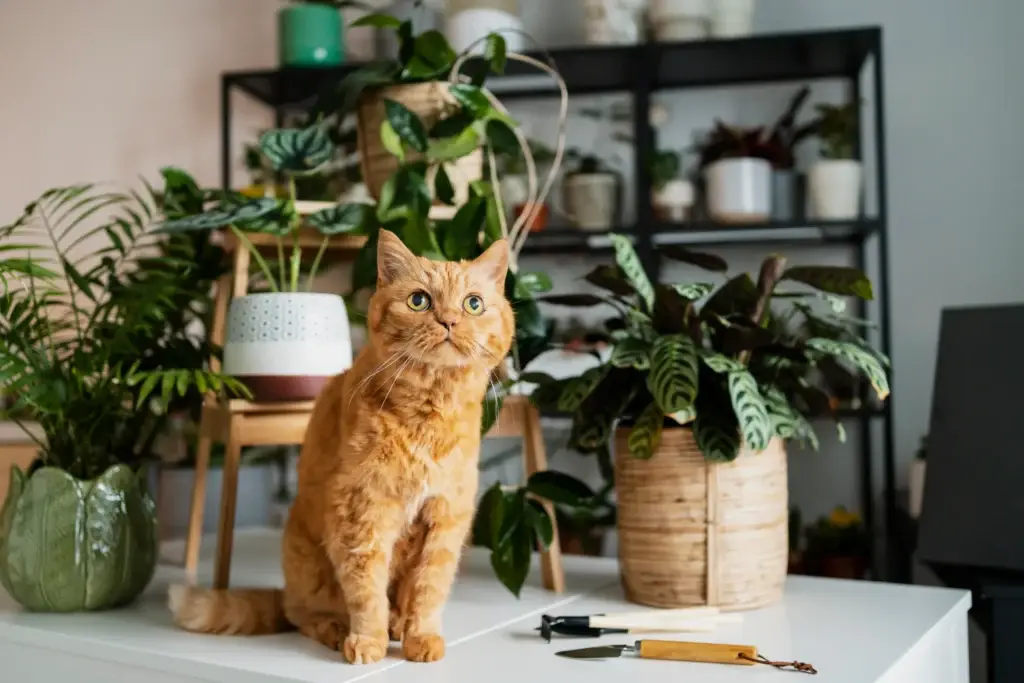
When Sarah brought home a beautiful pothos plant from the nursery, she had no idea it would send her beloved cat, Mittens, to the emergency vet just three days later. After a frantic midnight rush and $800 in vet bills, she learned a painful lesson: not all houseplants and feline friends mix well.
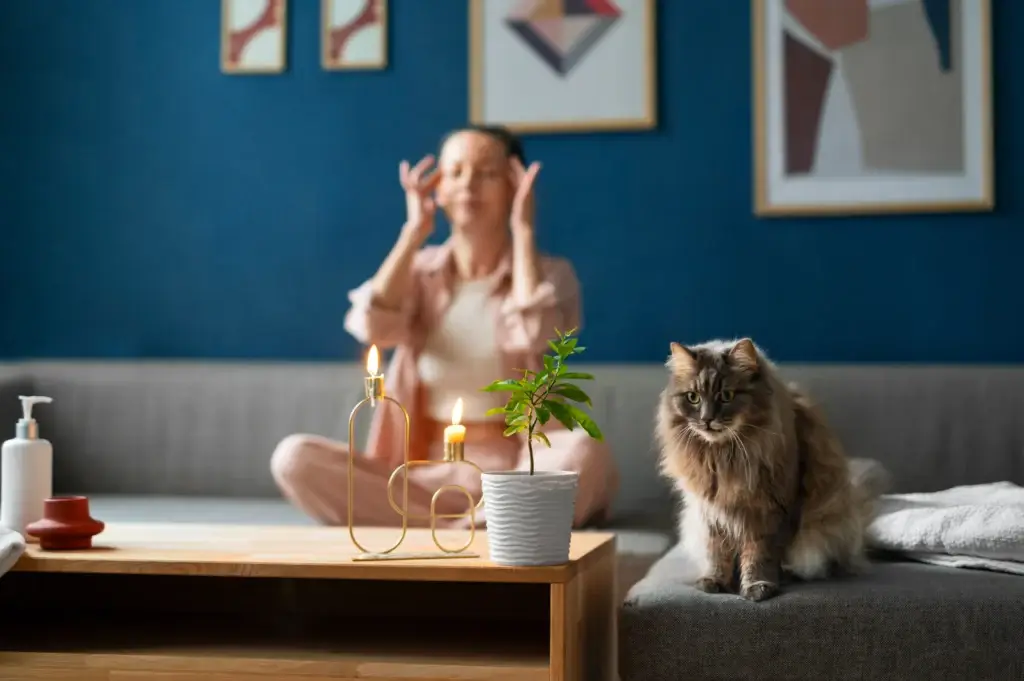
If you’re a cat owner who loves bringing nature indoors, you’re probably wondering which plants are truly safe. The good news? You don’t have to choose between your love of greenery and your pet’s safety. There are dozens of gorgeous, cat safe house plants that let you create a lush indoor garden without risking your furry companion’s health.
In this comprehensive guide, we’ll walk you through 15 vet-approved non toxic indoor plants for cats, explain which common houseplants you should avoid, and share practical tips to keep both your plants and your pets thriving. Whether you’re searching for low light options for your apartment or air purifying plants that won’t harm your cat, you’ll find everything you need right here.
Why Choosing Cat Safe House Plants Matters
How Plant Toxicity Affects Cats
Cats are naturally curious creatures, and their instinct to nibble on plants stems from both boredom and dietary needs. Unlike dogs, cats are obligate carnivores, but they still occasionally munch on vegetation to aid digestion or simply out of curiosity. Unfortunately, many popular indoor plants contain compounds that are toxic to our feline friends.
When cats ingest toxic plants, the effects can range from mild stomach upset to life-threatening organ failure. Common toxins in houseplants include calcium oxalate crystals, saponins, and various glycosides. These substances can cause immediate reactions or accumulate over time, making it crucial to choose only pet friendly house plants for your indoor space.
Symptoms of Plant Poisoning in Cats
Recognizing the signs of plant poisoning early can save your cat’s life. Watch for these common symptoms:
- Excessive drooling or foaming at the mouth
- Vomiting or diarrhea
- Loss of appetite or difficulty swallowing
- Pawing at the mouth or face
- Lethargy or weakness
- Difficulty breathing
- Tremors or seizures (in severe cases)
If you notice any of these symptoms after your cat has been near your houseplants, contact your veterinarian immediately. Time is critical when dealing with potential plant poisoning.
Trusted Safety Authorities
When it comes to determining which plants are safe for cats, always rely on trusted sources. The ASPCA (American Society for the Prevention of Cruelty to Animals) maintains the most comprehensive database of toxic and non toxic plants for pets. Their website is regularly updated and should be your first reference when considering new houseplants safe according to ASPCA guidelines.
Other reliable resources include the Pet Poison Helpline, which offers 24/7 emergency assistance, the American Veterinary Medical Association for medical research on plant toxicity, and the Royal Horticultural Society, which provides detailed botanical information on safe greenery for pet homes. These vet approved houseplants sources help you make informed decisions about indoor plants safe for pets.
15 Best Cat Safe House Plants (Non-Toxic & Decorative)
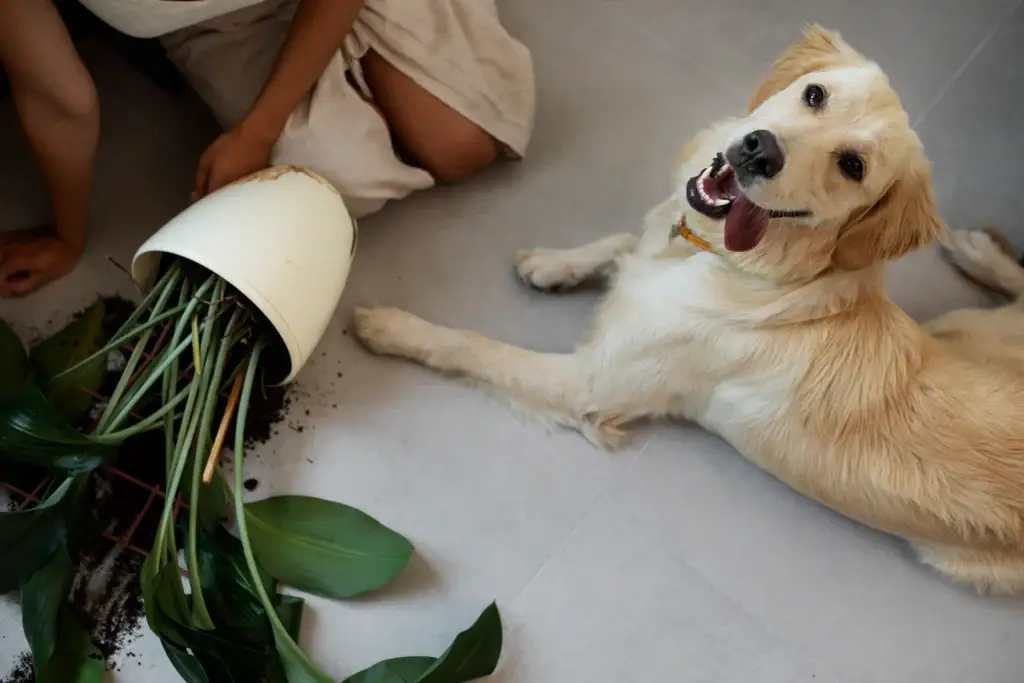
Now let’s explore the best indoor plants for cat owners that combine safety, beauty, and easy care. Each of these feline safe houseplants has been verified by the ASPCA as non-toxic to cats, making them perfect choices for pet safe home decor plants.
Areca Palm
Safety Status: 100% cat safe
Light Requirements: Bright, indirect light
Care Level: Moderate
The areca palm is one of the most popular cat safe indoor trees, bringing a tropical vibe to any room. This pet safe air purifying plant helps filter formaldehyde and xylene from the air while remaining completely harmless if your curious cat decides to take a nibble. Its feathery fronds create an elegant focal point, and while it prefers bright light, it can adapt to medium light conditions.
Decor Tip: Place your areca palm in a large floor pot near a sunny window to create a natural room divider that’s safe for both cats and dogs.
Parlor Palm
Safety Status: 100% cat safe
Light Requirements: Low to medium light
Care Level: Easy
Perfect for cat safe low light plants needs, the parlor palm thrives even in dimly lit apartments. This compact palm variety is one of the best safe office plants for cat owners who want to brighten up their workspace without worry. It’s drought-tolerant and forgiving, making it ideal for beginners and busy pet parents alike.
Decor Tip: Group three parlor palms of varying heights in modern white pots for a chic, minimalist look in bedrooms or home offices.
Spider Plant
Safety Status: 100% cat safe
Light Requirements: Bright, indirect light
Care Level: Very easy
Spider plants are the ultimate easy care pet friendly plants. They’re nearly indestructible, produce adorable baby plantlets, and are completely safe if your cat bats at their cascading foliage. Interestingly, some cats are actually attracted to spider plants because they contain compounds similar to catnip, but they remain non-poisonous plants for cats even with frequent nibbling.
Decor Tip: Showcase spider plants in hanging baskets to create vertical interest while keeping the trailing babies just out of reach of playful paws.
Calathea
Safety Status: 100% cat safe
Light Requirements: Low to medium, indirect light
Care Level: Moderate to challenging
With stunning patterned leaves that look hand-painted, calatheas are decorative plants safe for cats that add artistic flair to any room. These cat safe tropical plants thrive in humid environments and prefer indirect light, making them perfect for bathrooms or kitchens. Their leaves fold up at night like praying hands, adding an element of living art to your space.
Decor Tip: Display calatheas on bathroom counters where humidity is naturally high, and their bold patterns can shine without risk to curious cats.
Prayer Plant
Safety Status: 100% cat safe
Light Requirements: Medium, indirect light
Care Level: Moderate
Prayer plants are safe leafy plants for pets with incredibly vibrant foliage featuring red veins and green patterns. They’re close relatives of calatheas and equally safe for feline friends. These low maintenance cat safe plants appreciate consistent moisture but are forgiving if you occasionally forget to water.
Decor Tip: Use prayer plants as centerpieces on dining tables or coffee tables where their unique leaf movements can be appreciated up close.
Boston Fern
Safety Status: 100% cat safe
Light Requirements: Bright, indirect light
Care Level: Moderate
Boston ferns are classic pet safe hanging plants with lush, feathery fronds that create a cottage-garden aesthetic. These fern varieties safe for cats love humidity and consistent watering, making them excellent choices for kitchens or bright bathrooms. They’re also natural air purifiers, helping to remove formaldehyde and other toxins from indoor air.
Decor Tip: Suspend boston ferns in macrame hangers near windows for a boho-chic look that keeps the delicate fronds safely above cat level.
Baby Rubber Plant (Peperomia obtusifolia)
Safety Status: 100% cat safe
Light Requirements: Medium to bright, indirect light
Care Level: Easy
Baby rubber plants are compact, non toxic foliage plants with thick, glossy leaves that add a modern touch to any space. Despite the name, they’re not related to actual rubber plants (which are toxic to cats). These beginner plants safe for cats are drought-tolerant and perfect for apartment plants safe for cats in smaller living spaces.
Decor Tip: Cluster several peperomia varieties on a floating shelf for a trendy shelfie that’s completely pet-safe.
━━━ Suggested Ad Placement ━━━
Ponytail Palm
Safety Status: 100% cat safe
Light Requirements: Bright light
Care Level: Very easy
The ponytail palm (which is actually a succulent, not a true palm) is one of the most forgiving safe indoor trees for cats. Its distinctive bulbous trunk stores water, making it incredibly drought-tolerant. The long, cascading leaves might tempt playful cats, but they’re completely harmless. This is an excellent choice for pet owners who travel frequently.
Decor Tip: Place a mature ponytail palm in a statement pot near a south-facing window for a sculptural element that doubles as safe modern decor plants.
African Violet
Safety Status: 100% cat safe
Light Requirements: Bright, indirect light
Care Level: Moderate
African violets bring delicate blooms in purple, pink, or white to your indoor garden while remaining completely safe for indoor cats. These compact flowering plants thrive on windowsills and add a pop of color to safe bedroom plants for cats. They prefer bottom watering to prevent leaf spotting.
Decor Tip: Line up African violets in matching pots on a kitchen windowsill for a cheerful, cottage-style display that’s safe for curious cats.
Bamboo Palm
Safety Status: 100% cat safe
Light Requirements: Medium to bright, indirect light
Care Level: Easy
Bamboo palms are among the best indoor palm trees safe for cats, offering tropical elegance without the toxic risk. They’re excellent at removing benzene and formaldehyde from the air, earning their place on pet friendly plant lists. Their clumping growth habit creates a lush, full appearance even in relatively small pots.
Decor Tip: Position bamboo palms in corners to soften sharp angles and create cozy reading nooks that are safe for both you and your feline companion.
Haworthia
Safety Status: 100% cat safe
Light Requirements: Bright, indirect light
Care Level: Very easy
Haworthia is one of the few safe succulents for cats, making it a fantastic alternative to toxic aloe vera. These small, architectural plants have white stripes or dots on their leaves and require minimal water. They’re perfect for sunny windowsills and add a modern, geometric element to your decor.
Decor Tip: Create a miniature succulent garden using various haworthia species in a wide, shallow dish for a low-maintenance centerpiece.
Orchid
Safety Status: 100% cat safe
Light Requirements: Bright, indirect light
Care Level: Moderate
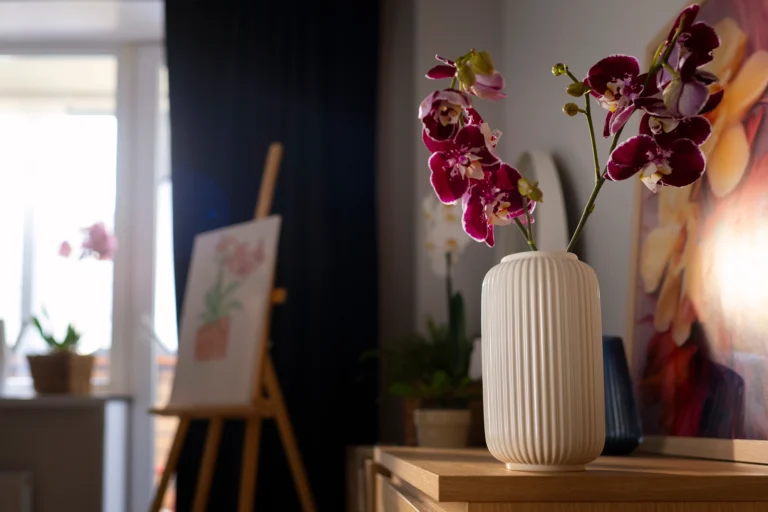
Phalaenopsis orchids are elegant flowering plants that won’t harm cats, even if they decide to investigate those exotic blooms. These sophisticated plants can bloom for months with proper care, adding a touch of luxury to any room. They’re often thought of as difficult, but modern hybrids are quite forgiving.
Decor Tip: Display orchids in clear glass pots to showcase their unique root systems, creating a conversation piece that’s safe for pets.
Polka Dot Plant
Safety Status: 100% cat safe
Light Requirements: Bright, indirect light
Care Level: Easy
With leaves speckled in pink, red, or white, polka dot plants are playful, cat friendly indoor plants that add vibrant color to your space. They’re fast-growing and can be pinched back to maintain a compact shape. These non toxic decorative plants are perfect for adding a splash of whimsy to desks or shelves.
Decor Tip: Mix polka dot plants with solid green companions in a terrarium for a colorful, contained display that cats can admire but not disturb.
Friendship Plant
Safety Status: 100% cat safe
Light Requirements: Medium to bright, indirect light
Care Level: Easy
Friendship plants (Pilea involucrata) have textured, quilted leaves that create visual interest without posing any danger to cats. They’re easy to propagate, making them great for sharing with fellow plant-loving, cat-owning friends. These compact plants fit perfectly on desks and side tables.
Decor Tip: Group friendship plants with other small pet-safe varieties in a decorative tray for an easy-to-move mini garden.
Cast Iron Plant
Safety Status: 100% cat safe
Light Requirements: Low to medium light
Care Level: Very easy
True to its name, the cast iron plant is nearly indestructible, tolerating neglect, low light, and temperature fluctuations with ease. It’s one of the best plants that won’t harm cats for busy pet owners or those with less-than-ideal growing conditions. Its dark green, blade-like leaves add architectural elegance to any corner.
Decor Tip: Use cast iron plants to fill dark corners or hallways where other plants struggle, creating greenery in unexpected places.
Common Indoor Plants Toxic to Cats (Avoid These)
While we’ve covered many beautiful safe options, it’s equally important to know which common plants toxic to cats should never enter your home. These popular houseplants can cause serious health issues and should be avoided entirely if you have feline friends.
Snake Plant
Toxicity Level: Moderate to severe
Despite their popularity and low-maintenance reputation, snake plants (Sansevieria) contain saponins that are toxic to cats. Ingestion causes nausea, vomiting, and diarrhea. While deaths are rare, these symptoms are uncomfortable and distressing for your pet. Unfortunately, the answer to “are snake plants safe for cats” is a definitive no.
Pothos
Toxicity Level: Moderate
Golden pothos, devil’s ivy, and all pothos varieties contain insoluble calcium oxalate crystals. When chewed, these microscopic crystals penetrate oral tissue, causing immediate pain, drooling, and swelling. Even small amounts can cause significant discomfort. Stick with spider plants for similar trailing greenery without the risk.
Peace Lily
Toxicity Level: Moderate
Peace lilies are elegant flowering plants, but they contain the same calcium oxalate crystals as pothos. Symptoms include oral irritation, drooling, difficulty swallowing, and vomiting. For safe flowering alternatives, choose African violets or orchids instead.
Aloe Vera
Toxicity Level: Moderate
While aloe vera gel is beneficial for human skin, the plant itself contains anthraquinone glycosides that are toxic to cats. Ingestion leads to vomiting, diarrhea, lethargy, and changes in urine color. For a safe succulent alternative, choose haworthia instead—they look remarkably similar but are completely non-toxic.
Philodendron
Toxicity Level: Moderate to severe
All philodendron varieties contain calcium oxalate crystals and are considered toxic to cats. Symptoms include oral pain, drooling, vomiting, and difficulty swallowing. In severe cases, swelling can affect breathing. For similar heart-shaped foliage without the danger, try peperomias or prayer plants.
Cat Safe Low Light Plants for Apartments
Not everyone has south-facing windows flooding their space with sunshine. Fortunately, several indoor plants not poisonous to cats thrive in dimmer conditions, making them perfect for apartments, offices, or rooms with limited natural light.
Best for Bedrooms
For safe bedroom plants for cats that tolerate low light, consider parlor palms, cast iron plants, and prayer plants. These varieties adapt well to the reduced light levels typical in bedrooms and won’t disturb your sleep with dramatic growth or maintenance needs. They also help filter air while you rest, creating a healthier sleeping environment.
Best for Offices
If you work from home with a cat nearby, cast iron plants, parlor palms, and certain peperomia varieties make excellent safe office plants for cat owners. They tolerate fluorescent lighting and don’t require frequent watering, perfect for busy work schedules. Plus, studies show that plants in workspaces reduce stress and improve productivity.
Hanging Plants Cats Can’t Reach
Even with cat-safe plants, sometimes you want options that are completely out of paw’s reach. Spider plants, Boston ferns, and certain peperomia varieties excel as hanging plants cats can’t reach. Suspend them in macrame hangers, wall-mounted planters, or hanging baskets to create vertical gardens that utilize space efficiently while staying accessible only to you.
Air Purifying Plants Safe for Cats
Many pet owners want plants that do double duty—looking beautiful while improving indoor air quality. The good news is several air purifying plants safe for cats exist, though it’s important to have realistic expectations.
Spider Plant
Spider plants effectively remove formaldehyde and xylene from indoor air. NASA’s Clean Air Study identified them as one of the most efficient air-cleaning plants. While you’d need many plants to significantly impact air quality in a typical room, having several spider plants around your home contributes to a healthier environment.
Areca Palm
Areca palms filter formaldehyde, xylene, and toluene while also acting as natural humidifiers. Their large leaf surface area makes them particularly effective at transpiration, releasing moisture into dry indoor air. This dual benefit makes them excellent choices for homes with central heating or air conditioning.
Boston Fern
Boston ferns excel at removing formaldehyde and adding humidity to indoor spaces. They’re particularly valuable during winter months when heating systems dry out the air. However, remember that plants alone won’t replace proper ventilation or air purifiers—they’re a complement to good air quality practices, not a replacement.
How to Keep Cats Away From Houseplants
Even with cat-safe plants, you might prefer to protect your green investments from curious paws and teeth. Here are proven strategies to create a cat friendly indoor garden that respects both your plants and your pet’s boundaries.
Use Elevated Plant Stands
Tall plant stands create vertical space that’s harder for cats to reach, especially if they’re sleek and offer no footholds. Choose stands with minimal horizontal surfaces and place them strategically away from nearby furniture that cats could use as launching pads. This works particularly well for smaller plants like African violets or compact peperomias.
Hanging Planters Strategy
Ceiling-mounted planters and wall-hanging systems put plants completely out of reach. This approach works brilliantly for trailing plants like spider plants and Boston ferns. Ensure your hardware is securely installed to support the combined weight of the pot, soil, and plant when watered. Bonus: hanging plants draw the eye upward, making rooms feel taller and more spacious.
Natural Deterrents
Cats generally dislike citrus scents, so placing lemon or orange peels around the base of plants can discourage investigation. You can also try aluminum foil or double-sided tape around pots—cats dislike the texture. Some pet owners success with diluted citrus sprays applied to the soil surface (not the leaves). These methods are safe and non-toxic for both plants and pets.
Safe Placement Planning
Think strategically about plant placement. Avoid putting plants on narrow ledges where cats naturally like to perch. Instead, use corners, room dividers, or dedicated plant shelves. Create dedicated plant zones in rooms your cat uses less frequently, like home offices or guest bedrooms.
Training Tips
Provide your cat with their own cat grass or cat-safe herbs like catnip. When they have approved greenery to munch on, they’re less likely to target your houseplants. Use positive reinforcement when your cat ignores plants, and redirect their attention with toys when they show interest. Consistency is key—never allow plant nibbling, even on safe species, to establish clear boundaries.
Vet-Approved Safety Checklist for Pet Owners
Before bringing any new plant into your home, follow this comprehensive safety checklist to ensure the wellbeing of your feline family members:
- Cross-check every plant with the ASPCA database: Visit aspca.org/pet-care/animal-poison-control/toxic-and-non-toxic-plants and search by botanical or common name. Don’t rely on nursery staff alone—they may not be familiar with pet toxicity.
- Monitor your cat’s chewing behavior: Some cats are plant-obsessed while others ignore greenery completely. If your cat is a known nibbler, stick to hanging plants or elevated arrangements even with safe species.
- Avoid toxic fertilizers and pesticides: Many commercial fertilizers contain chemicals harmful to pets. Use organic, pet-safe fertilizers and always follow dilution instructions. Never apply pesticides to indoor plants accessible to cats.
- Keep emergency numbers accessible: Save the ASPCA Poison Control (888-426-4435) and your local emergency vet in your phone. Quick action makes a significant difference in poisoning cases.
- Separate toxic look-alikes: Learn to distinguish safe plants from their dangerous cousins (like haworthia vs. aloe, or baby rubber plant vs. rubber tree). Never assume—always verify before purchasing.
Following these guidelines helps create a truly safe environment where both your plants safe for kittens and adult cats can coexist harmoniously with your indoor garden.
Toxic Look-Alike Comparison
One of the most dangerous mistakes pet owners make is confusing safe plants with their toxic relatives. This comparison will help you tell the difference:
| Safe Plant | Key Features | Toxic Look-Alike | Key Differences |
|---|---|---|---|
| Haworthia | White bumps/stripes on leaves, smaller rosette | Aloe Vera | Smooth leaves with spines on edges, larger and fleshier |
| Ponytail Palm | Bulbous trunk base, curly thin leaves | Sago Palm | No trunk bulb, stiff fronds in circular pattern |
| Baby Rubber Plant | Thick, round leaves, compact growth | Rubber Tree (Ficus) | Larger pointed leaves, milky sap when cut |
Frequently Asked Questions About Cat Safe House Plants
What house plants are completely safe for cats?
Completely safe options include spider plants, parlor palms, areca palms, Boston ferns, prayer plants, calatheas, African violets, orchids, haworthia, peperomia (baby rubber plant), bamboo palms, ponytail palms, cast iron plants, polka dot plants, and friendship plants. All of these have been verified by the ASPCA as non-toxic to cats. However, even safe plants can cause mild stomach upset if eaten in large quantities, so it’s still best to discourage excessive nibbling.
Are snake plants safe for cats?
No, snake plants (Sansevieria) are toxic to cats. They contain saponins which cause nausea, vomiting, and diarrhea when ingested. While rarely fatal, the symptoms are uncomfortable and can require veterinary treatment. For a similar upright, structural look without the toxicity, consider cast iron plants or ponytail palms instead.
What happens if a cat eats a toxic plant?
Symptoms vary depending on the plant and amount consumed. Immediate reactions include drooling, pawing at the mouth, vomiting, and diarrhea. Some plants cause difficulty swallowing or breathing. Severe cases can lead to kidney failure, seizures, or cardiac issues. If you suspect your cat has eaten a toxic plant, contact your veterinarian or the ASPCA Poison Control immediately (888-426-4435). Note the plant name if possible and monitor your cat closely for symptoms.
Are there air purifying plants safe for cats?
Yes, several cat-safe plants also purify air. Spider plants remove formaldehyde and xylene, areca palms filter multiple VOCs while adding humidity, and Boston ferns excel at removing formaldehyde. Bamboo palms also filter benzene and formaldehyde. However, you’d need many plants to significantly impact air quality in typical rooms—they’re a complement to proper ventilation, not a replacement for air purifiers or good airflow practices.
What is the safest indoor plant for kittens?
Spider plants are ideal for homes with kittens because they’re extremely forgiving, non-toxic, and can withstand curious batting and nibbling. Kittens are more likely than adult cats to chew plants out of curiosity, so choose plants that are both safe and resilient. Parlor palms and Boston ferns are also excellent choices. Consider using hanging planters or elevated stands to keep plants out of reach during the highly playful kitten stage.
Can cats get sick from smelling plants?
Generally, no. Most plant toxins require ingestion to cause problems. However, heavily scented plants like lilies (which are extremely toxic to cats) can cause respiratory irritation even without direct contact. Some cats with allergies or asthma may react to pollen or strong fragrances. If you notice sneezing, wheezing, or respiratory distress around plants, consult your veterinarian. Stick with unscented or mildly scented varieties to be safe.
How do I check if a plant is toxic to cats?
Always check the ASPCA’s searchable database at aspca.org/pet-care/animal-poison-control/toxic-and-non-toxic-plants. You can search by common name or botanical name. The Pet Poison Helpline website also maintains a comprehensive list. When purchasing plants, bring the botanical name with you and verify it before bringing the plant home. Never rely solely on common names, as they can refer to multiple plant species with different toxicity levels.
Creating Your Perfect Cat-Friendly Indoor Garden
Building a beautiful indoor plant collection doesn’t mean compromising your cat’s safety. With the 15 vet-approved cat safe house plants we’ve covered, you have plenty of gorgeous, non-toxic options to create the green oasis you’ve been dreaming of.
Remember, the key to successfully maintaining both plants and pets is choosing the right species, understanding which common plants toxic to cats to avoid, and implementing smart placement strategies. Whether you’re drawn to the tropical elegance of areca palms, the easy-care nature of spider plants, or the exotic beauty of orchids, there’s a pet friendly house plant perfect for your home.
Start small if you’re new to houseplants. Add one or two beginner-friendly options like spider plants or parlor palms and observe how your cat reacts. Most cats will simply ignore safe plants, but providing cat grass as an alternative satisfies their natural urge to nibble greenery. As you gain confidence, expand your collection with more variety.
Your home can be both a lush indoor garden and a safe haven for your feline companion. By making informed choices and following the guidelines in this complete guide to non toxic indoor plants for cats, you’ll enjoy the best of both worlds—vibrant greenery and peace of mind knowing your curious cat is protected. Happy planting!
Disclaimer: The information provided in this article is for educational and informational purposes only. While we reference trusted sources such as the ASPCA and veterinary experts, this content is not a substitute for professional veterinary advice. Always consult your veterinarian before introducing new plants to your home, especially if your cat has health issues. We are not responsible for any adverse effects from following the advice in this article.
Image Credit: Images used under Freepik license. Original designs by Freepik
Not sure which low-light indoor plants are easy to maintain? Check out our guide on 7 unkillable indoor plants that thrive in low light for more beginner-friendly options that are perfect for apartments.