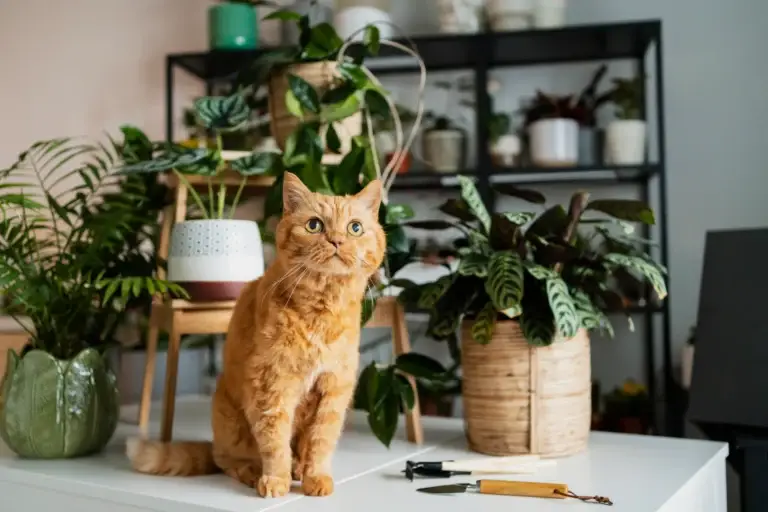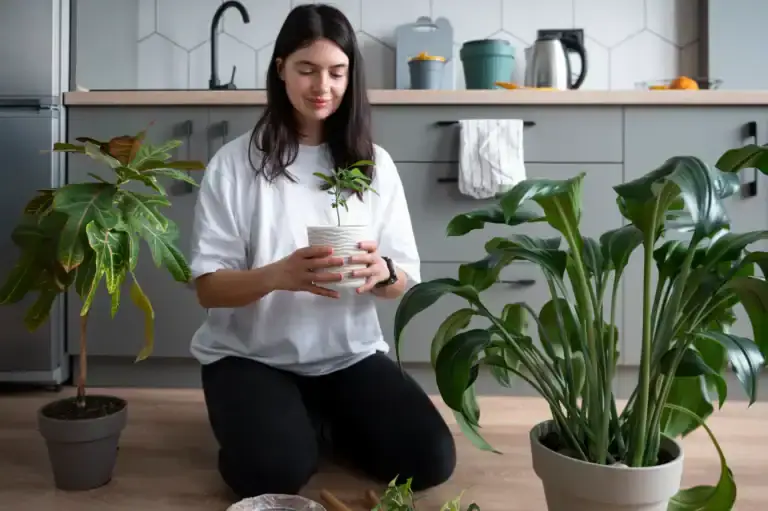
How to Take Care of Indoor Plants for Beginners: The Complete Guide to Thriving Houseplants
The Moment Everything Changed
You brought home your first plant last week. It looked perfect on your bookshelf—vibrant, green, full of life. You watered it, smiled at it every morning, and felt proud.
Then the leaves started turning yellow. One fell off. Then another. Now you’re standing there, wondering what went wrong, feeling like maybe you just don’t have a “green thumb.”
Here’s the truth: you don’t need a green thumb. You need the right information.
Thousands of beginners give up on indoor plants because they follow generic advice that doesn’t match their specific situation. Your dimly lit apartment needs different plants than your sun-drenched living room. Your busy schedule requires different care routines than someone who works from home.
This guide will teach you exactly how to take care of indoor plants for beginners—with zero guesswork. You’ll discover which plants actually thrive in low light, which ones clean your air while you sleep, and the simple daily habits that keep everything alive and beautiful.
You’re about to learn:
- Why most beginners kill their first plants (and how to avoid it)
- The best indoor plants that don’t need sunlight
- Large low-light indoor plants that make a statement
- Air-purifying low-light plants for healthier homes
- A foolproof care schedule anyone can follow
- Common mistakes and how to fix them fast
Let’s turn you into a confident plant parent.
Understanding Indoor Plant Basics: What Beginners Need to Know
Before you touch a single watering can, understand this: plants are not complicated—they’re just different from each other.
Every plant comes from somewhere. Some grew under dense rainforest canopies where sunlight barely reached. Others thrived in bright deserts. Your job isn’t to become a botanist. It’s to match the right plant with your home environment.
The Three Environment Types
Bright Light Spaces: South-facing windows, sunrooms, bright kitchens. Most flowering plants love these spots.
Medium Light Spaces: East or west-facing windows, rooms with indirect natural light. This is where most common houseplants thrive.
Low Light Spaces: North-facing windows, bathrooms, offices, corners far from windows. This is where beginners often struggle—but it’s completely manageable with the right plants.
The biggest mistake? Trying to keep a light-hungry plant in a dark corner. It’s like asking a fish to climb a tree.
Best Plants That Don’t Need Sunlight (Or Very Little)
Let’s bust a myth right now: all plants need some light. But many thrive in extremely low-light conditions where other plants would die.
These are perfect for beginners in apartments, basement offices, or rooms without windows.
Top Low-Light Champions for Beginners
Pothos (Devil’s Ivy) This trailing vine survives almost anywhere. It grows in water or soil, tolerates neglect, and actually tells you when it needs water—the leaves droop slightly.
I’ve kept pothos alive in a windowless bathroom for three years. It’s nearly indestructible.
Snake Plant (Sansevieria) Thick, upright leaves that store water. Water it once every 2-3 weeks. Forget about it for a month? It’ll be fine.
Snake plants are the ultimate beginner plant. They prefer neglect over attention.
ZZ Plant (Zamioculcas zamiifolia) Shiny, dark green leaves that look fake because they’re so perfect. Grows from underground rhizomes that store water and nutrients.
I once forgot to water mine for six weeks during a busy work period. It didn’t even notice.
Peace Lily (Spathiphyllum) White blooms appear even in low light. Dramatically droops when thirsty, then perks up an hour after watering.
This plant communicates clearly. You’ll never wonder what it needs.
Cast Iron Plant (Aspidistra elatior) Named for its toughness. Survives low light, temperature fluctuations, and irregular watering.
Victorian homes kept these in dark hallways with gas lamps. That tells you everything.
Chinese Evergreen (Aglaonema) Colorful leaves with patterns of silver, pink, or red. Grows slowly, tolerates almost any indoor condition.
Perfect for desks, side tables, and forgotten corners.
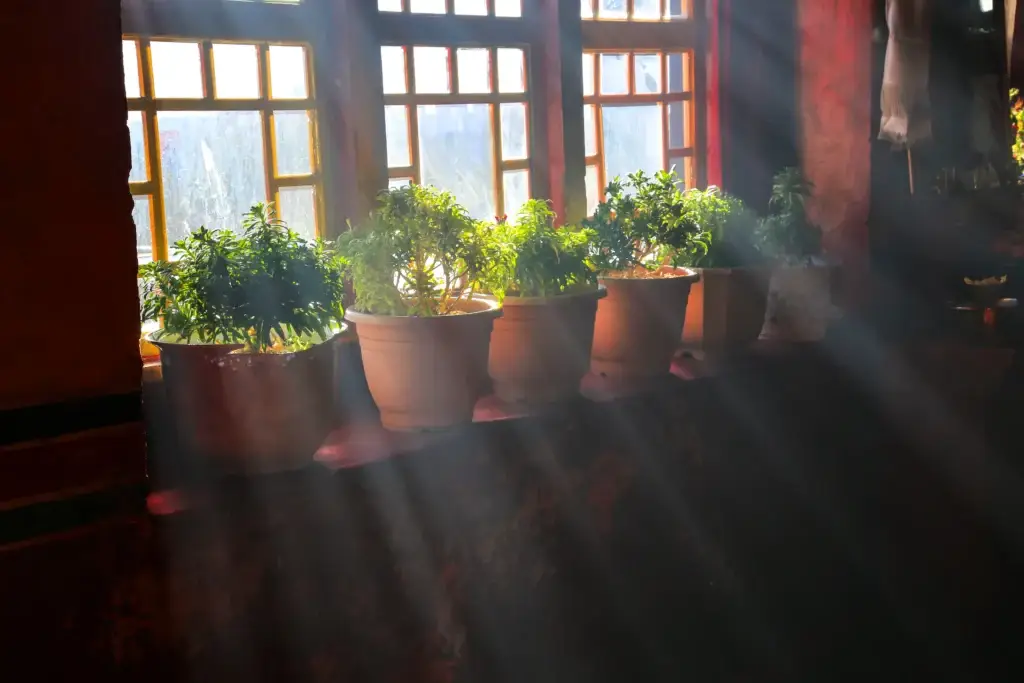
Indoor plant light levels infographic showing bright medium and low light conditions for beginners
Large Low-Light Indoor Plants That Make a Statement
Want a plant that fills a corner or creates a focal point? These large beauties thrive without direct sunlight.
The Best Big Plants for Low Light
Dracaena (Dragon Tree) Tall, tree-like structure with spiky leaves. Multiple varieties with different colors. Grows slowly to 6-8 feet indoors.
Place these in empty corners. They create vertical interest without taking floor space.
Monstera Deliciosa (Swiss Cheese Plant) Large, split leaves that get more dramatic as the plant matures. Climbs with support or trails naturally.
Mine started as a small 6-inch plant. Three years later, it’s 5 feet tall with leaves the size of dinner plates. I’ve never given it direct sun.
Fiddle Leaf Fig (Ficus lyrata) The Instagram-famous plant. Large violin-shaped leaves. Needs more light than others on this list but tolerates bright indirect light well.
Keep it in one spot. Moving it stresses the plant and causes leaf drop.
Rubber Plant (Ficus elastica) Thick, glossy leaves in deep green or burgundy. Fast grower that reaches 6-10 feet. Tolerates low light but grows faster with more.
Wipe the leaves monthly to keep them shiny and maximize photosynthesis.
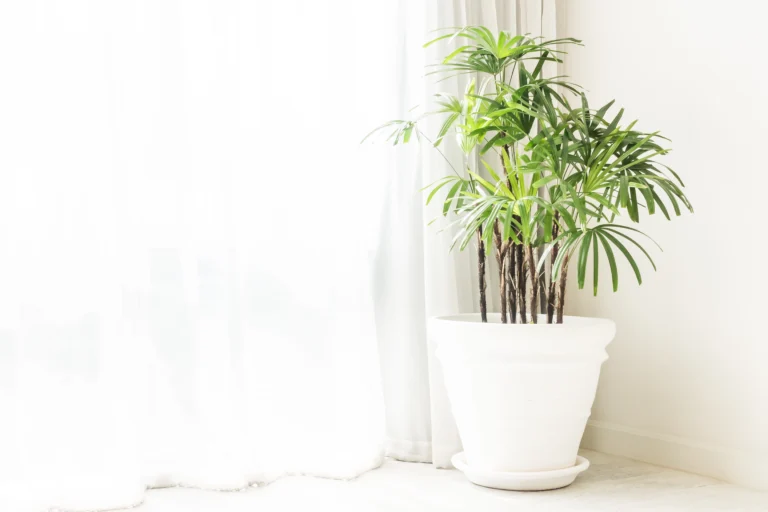
Parlor Palm (Chamaedorea elegans) Graceful, feathery fronds. Grows to 4-6 feet. Native to rainforest floors, so it loves low light.
This plant brings tropical vibes without tropical care requirements.
Corn Plant (Dracaena fragrans) Thick trunk with long, arching leaves. Extremely low maintenance. Can reach 6 feet indoors.
I’ve seen these thrive in mall atriums with only fluorescent lighting.
Comparison Table: Large Low-Light Plants
| Plant Name | Mature Height | Watering Frequency | Difficulty | Best Feature |
|---|---|---|---|---|
| Dracaena | 6-8 feet | Every 2 weeks | Very Easy | Vertical interest |
| Monstera | 5-7 feet | Weekly | Easy | Dramatic leaves |
| Fiddle Leaf Fig | 6-10 feet | Weekly | Moderate | Statement piece |
| Rubber Plant | 6-10 feet | Weekly | Easy | Fast growth |
| Parlor Palm | 4-6 feet | Weekly | Easy | Tropical look |
| Corn Plant | 4-6 feet | Every 2 weeks | Very Easy | Low maintenance |
Air-Purifying Low-Light Plants: Beauty That Works
NASA studied houseplants in the 1980s for space stations. They discovered certain plants remove toxins from the air—formaldehyde, benzene, trichloroethylene, and more.
These pollutants hide in furniture, paint, cleaning products, and carpets. The right plants filter them out naturally.
Top Air-Purifying Plants for Low Light
Snake Plant Unique among plants—it releases oxygen at night instead of during the day. Perfect for bedrooms.
Filters: formaldehyde, xylene, toluene, nitrogen oxides.
Pothos Fast-growing vines mean more leaves cleaning your air. One mature plant filters a 10×10 room.
Filters: formaldehyde, benzene, carbon monoxide.
Peace Lily One of the most powerful air purifiers. Absorbs mold spores through its leaves.
Filters: ammonia, benzene, formaldehyde, trichloroethylene.
Spider Plant (Chlorophytum comosum) Safe for pets. Removes 90% of toxins from a small space in 24 hours.
Filters: formaldehyde, xylene, carbon monoxide.
Bamboo Palm (Chamaedorea seifrizii) Also releases moisture into the air—natural humidifier. Great for dry winter months.
Filters: formaldehyde, benzene, trichloroethylene.
Boston Fern (Nephrolepis exaltata) Highest formaldehyde removal rate. Loves humidity—perfect for bathrooms.
Filters: formaldehyde, xylene.
How Many Plants Do You Need?
Research suggests one plant per 100 square feet for noticeable air quality improvement. A typical bedroom needs 2-3 plants. A living room might need 4-6.
Start with 2-3 plants. Add more as you gain confidence.
Essential Care Elements: The Big Five
How to take care of indoor plants for beginners comes down to mastering five elements. Get these right, and your plants thrive. Ignore them, and even “easy” plants struggle.
1. Light: The Foundation of Plant Life
How to Check Your Light Levels: Stand where your plant sits. Hold your hand 12 inches above a white paper. Look at the shadow.
- Sharp, defined shadow: Bright light
- Fuzzy but visible shadow: Medium light
- Barely visible shadow: Low light
- No shadow: Too dark for most plants
Quick Fix: Move plants closer to windows. Use sheer curtains to diffuse intense sun. Add grow lights for windowless spaces.
2. Water: The Goldilocks Element
More plants die from overwatering than underwatering. Roots need both water and oxygen. Soggy soil drowns them.
The Finger Test: Stick your finger 2 inches into the soil.
- Wet? Don’t water.
- Slightly damp? Check tomorrow.
- Dry? Time to water.
How to Water Properly: Water until it drains from the bottom. Empty the saucer after 15 minutes. Never let plants sit in standing water.
Room temperature water works best. Cold water shocks roots.
3. Soil: The Hidden Foundation
Cheap potting soil from dollar stores often lacks proper drainage. It compacts, suffocates roots, and invites root rot.
What to Use: Buy quality indoor potting mix. It contains peat moss, perlite, and bark that creates air pockets.
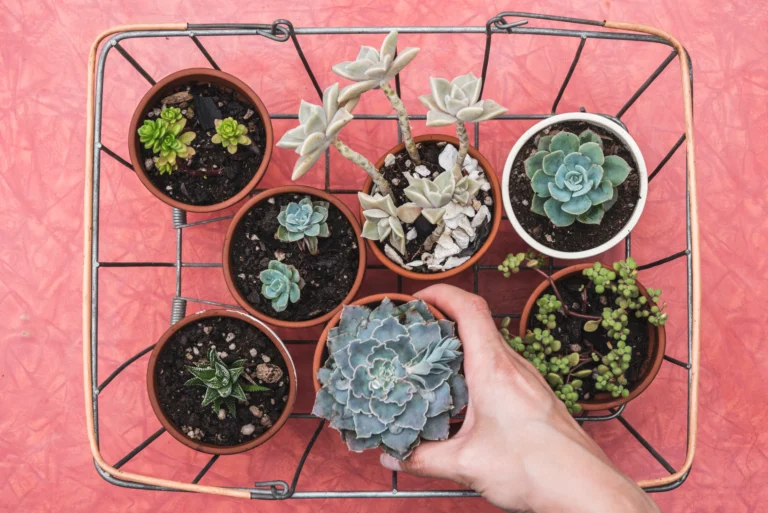
For succulents and cacti, use specialized cactus mix—it drains even faster.
4. Humidity: The Forgotten Factor
Indoor air is often 30-40% humidity. Many tropical plants prefer 50-60%.
Signs of Low Humidity:
- Brown, crispy leaf tips
- Leaves curling inward
- Slowed growth
Easy Humidity Fixes:
- Group plants together—they create micro-climates
- Place pebble trays under pots—fill with water just below the pebbles
- Run a humidifier in plant areas
- Keep plants in naturally humid rooms—bathrooms, kitchens
5. Temperature: The Comfort Zone
Most houseplants come from tropical regions. They like what you like—65-75°F.
Avoid:
- Drafty windows in winter
- Heat vents blowing directly on plants
- Cold drafts from air conditioning
- Temperature swings above 10 degrees
Place plants away from extreme temperature sources. They’ll reward you with steady growth.
Step-by-Step Care Guide for Beginners
Follow this process with every new plant. It removes guesswork and builds confidence.
Step 1: Research Your Specific Plant
Look up the exact species name. A “fern” could mean 50 different care requirements.
Use reliable sources: university extension websites, botanical gardens, established plant care websites.
Step 2: Check the Plant at Purchase
Look for:
- Vibrant, firm leaves
- No brown spots or holes
- Visible new growth
- Firm, not mushy, stems
- Check undersides of leaves for pests
Avoid:
- Yellowing leaves
- Wilted appearance
- Visible bugs or webs
- Mushy soil smell
- Broken or damaged stems
Step 3: Acclimate Your Plant
Don’t repot immediately. Let it adjust to your home for 2-3 weeks.
Place it in its permanent spot. Plants stress when moved repeatedly.
Step 4: Establish a Watering Schedule
Mark your calendar. Check soil every 3-4 days initially. You’ll learn each plant’s rhythm.
Adjust based on seasons—plants need less water in winter when growth slows.
Step 5: Observe and Adjust
Walk past your plants daily. Quick visual checks catch problems early.
Look for:
- New growth (good sign)
- Leaf color changes
- Pest activity
- Soil moisture
- Overall posture
Step 6: Feed Regularly
Plants need nutrients. Potting soil depletes over time.
Use balanced liquid fertilizer (10-10-10 or 20-20-20). Dilute to half strength. Feed every 4-6 weeks during spring and summer. Stop in fall and winter when growth slows.
Step 7: Maintain Cleanliness
Wipe large leaves monthly with a damp cloth. Dust blocks light and photosynthesis.
Remove dead leaves immediately. They attract pests and disease.
Rotate plants weekly so all sides receive equal light. This prevents lopsided growth.
Common Mistakes Every Beginner Makes (And How to Fix Them)
I’ve made every mistake on this list. Learn from my expensive lessons.
Mistake 1: Overwatering
The Problem: Yellowing leaves, mushy stems, fungus gnats, foul soil smell.
The Fix: Let soil dry between waterings. Improve drainage with perlite. Repot if root rot started.
Prevention: Use the finger test. Water based on the plant’s needs, not your schedule.
Mistake 2: Wrong Pot Size
The Problem: Too big—soil stays wet, causes rot. Too small—plant becomes rootbound.
The Fix: Pot should be 1-2 inches larger than the root ball. Check for drainage holes.
Prevention: Resist oversized decorative pots. Use them as cache pots with properly sized plastic pots inside.
Mistake 3: Ignoring Drainage
The Problem: Water pools at the bottom, drowning roots slowly.
The Fix: Drill holes in pots without drainage. Add pebbles at the bottom. Use well-draining soil.
Prevention: Never buy pots without drainage unless you’re an experienced plant parent.
Mistake 4: Poor Light Assessment
The Problem: “Low light” plant still dies in your dark corner.
The Fix: Move closer to windows. Add a grow light. Choose a more tolerant plant.
Prevention: Honestly assess your space. “Low light” means some natural light, not total darkness.
Mistake 5: Temperature Stress
The Problem: Leaves drop after moving near a cold window or heat vent.
The Fix: Relocate plant. Monitor recovery. Maintain consistent temperature.
Prevention: Feel the air around potential plant spots. Avoid extreme areas.
Mistake 6: Inconsistent Care
The Problem: Forgetting plants for weeks, then overcompensating with too much water.
The Fix: Set phone reminders. Create a visible care schedule. Start with fewer plants.
Prevention: Choose plants that match your lifestyle. Busy schedule? Get a snake plant, not a fern.
Mistake 7: Treating All Plants the Same
The Problem: Watering everything on the same day regardless of individual needs.
The Fix: Learn each plant’s specific requirements. Adjust care individually.
Prevention: Keep plant care notes. Label pots with species names and care dates.
Pro Tips from 20 Years of Experience
These aren’t in beginner guides, but they should be.
Tip 1: The Quarantine Rule
New plants carry pests and diseases. Keep them separate from your collection for 2-3 weeks. Inspect regularly.
I learned this after spider mites from one new plant infested my entire collection. Two months of treatment followed.
Tip 2: The Bottom Watering Method
Place pots in trays of water. Let them soak for 20-30 minutes. Roots pull up exactly what they need.
This prevents overwatering and encourages deep root growth. Perfect for beginners who overwater.
Tip 3: The Ice Cube Myth
Don’t water plants with ice cubes. The cold shocks roots and slows growth.
This “tip” went viral online. It’s terrible advice. Use room temperature water always.
Tip 4: Seasonal Adjustments
Plants grow in spring and summer. They rest in fall and winter.
Reduce watering by 30-50% in winter. Stop fertilizing. Expect slower growth. This is normal, not a problem.
Tip 5: The Propagation Advantage
Learn to propagate. One plant becomes five. Share with friends. Build your collection free.
Pothos, spider plants, and snake plants propagate easily. Cut below a node, place in water, wait for roots.
Tip 6: Repot in Spring
Plants start active growth in spring. Repotting then minimizes stress.
Go up only one pot size. Fresh soil provides nutrients. Trim any dead or circling roots.
Tip 7: The Emergency Revival Trick
Plant looking terrible? Cut back dead growth. Reduce watering. Move to moderate light. Give it 3-4 weeks.
I’ve revived plants I thought were dead. Roots often survive when tops don’t. Patience works miracles.
Your Weekly Plant Care Schedule
Consistency matters more than perfection. Use this schedule, adjust for your plants.
Beginner-Friendly Plant Care Schedule
| Day | Task | Time Required |
|---|---|---|
| Monday | Check soil moisture on all plants | 5-10 minutes |
| Tuesday | Water plants that need it | 10-15 minutes |
| Wednesday | Rest day | 0 minutes |
| Thursday | Inspect leaves for pests/problems | 5 minutes |
| Friday | Wipe large leaves, remove dead growth | 10 minutes |
| Saturday | Rotate plants for even light exposure | 5 minutes |
| Sunday | General observation, plan next week | 5 minutes |
Monthly Tasks
- Fertilize during growing season (March-September)
- Check for rootbound plants
- Clean pot exteriors
- Assess overall plant health
Seasonal Tasks
- Spring: Repot if needed, increase watering/feeding
- Summer: Monitor for increased water needs
- Fall: Reduce watering, stop fertilizing
- Winter: Cut watering in half, check for pests attracted to indoor warmth
Plant Care Do’s and Don’ts Checklist
DO:
✓ Check soil before watering every single time ✓ Use pots with drainage holes ✓ Research your specific plant species ✓ Adjust care seasonally ✓ Act quickly when problems appear ✓ Group plants with similar needs ✓ Keep a plant journal or notes ✓ Start with beginner-friendly plants ✓ Be patient—plants grow slowly ✓ Learn from mistakes without giving up
DON’T:
✗ Water on a fixed schedule regardless of soil moisture ✗ Repot immediately after purchase ✗ Place plants in complete darkness ✗ Use outdoor garden soil indoors ✗ Fertilize struggling plants ✗ Panic over one yellow leaf ✗ Move plants constantly ✗ Use cold water ✗ Ignore pest infestations ✗ Give up after one plant fails
FAQ: Your Questions Answered
1. How do I properly take care of my indoor plants?
Taking care of indoor plants as a beginner isn’t about doing everything perfectly — it’s about understanding a few simple basics and staying consistent.
Start by choosing a plant that matches your home’s light. If your room is dim, go for low-light plants like snake plant or ZZ plant. Next, avoid strict watering schedules. Instead, check the soil — if the top 1–2 inches feel dry, it’s time to water.
Keep your plant in a stable environment. Sudden temperature changes, direct AC airflow, or moving plants too often can stress them out. Also, don’t rush into fertilizers. Most beginner plants grow fine without extra feeding for the first few months.
The real secret? Observe your plant. Yellow leaves, drooping, or slow growth are signals — once you learn to read them, plant care becomes much easier.
2. What indoor plants are good for sinusitis?
If you suffer from sinus issues, the goal is to choose plants that improve air moisture and don’t trigger allergies.
Good beginner-friendly options include:
- Snake Plant – releases oxygen at night and has very low pollen
- Peace Lily – helps increase humidity (but keep away from pets)
- Areca Palm – naturally humidifies dry indoor air
- Parlor Palm – gentle on sensitive noses and easy to maintain
These plants won’t “cure” sinusitis, but they can make breathing more comfortable by slightly improving humidity and air freshness.
Avoid plants that produce pollen or mold-prone soil conditions, as they can worsen symptoms.
3. Does adding sugar to water help plants?
It might sound like a hack, but adding sugar to water is not a good idea for indoor plants.
Plants make their own food through photosynthesis — they don’t need sugar from outside. When you add sugar to soil, it can actually feed harmful bacteria and fungi, leading to root problems.
In some rare cases (like reviving cut flowers), sugar water can help temporarily. But for houseplants, it often does more harm than good.
If your plant looks weak, the real issue is usually light, watering, or soil — not lack of sugar.
4. Do plants help with noise reduction?
Yes — indoor plants can actually help reduce noise, though not in a dramatic way.
Plants absorb, reflect, and diffuse sound waves through their leaves and soil. This makes them especially useful in echo-prone spaces like empty rooms, offices, or apartments with hard surfaces.
Larger plants with dense foliage (like rubber plants or palms) work best. Grouping multiple plants together can increase the effect.
While they won’t completely soundproof a room, they can make your space feel quieter and more comfortable — a nice bonus on top of their visual appeal.
5. Do I water my indoor plants every day?
No — and this is one of the most common beginner mistakes.
Watering every day can quickly lead to root rot, which kills more indoor plants than underwatering. Instead of following a schedule, always check the soil first.
Stick your finger about 1–2 inches into the soil:
- If it feels dry → water your plant
- If it still feels moist → wait a few more days
Different plants have different needs. For example, succulents need very little water, while tropical plants may need more frequent watering.
A simple rule: it’s better to underwater slightly than to overwater..
Expert Care Checklist: Your Plant Success System
Print this checklist. Put it near your plants. Check items weekly.
Weekly Checks: □ Soil moisture tested before watering □ Leaves inspected for pests and damage □ Dead or yellowing leaves removed □ Plants rotated for even light □ Dust wiped from large leaves □ Growth documented
Monthly Checks: □ Fertilizer applied (growing season only) □ Roots checked for being pot-bound □ Pot drainage verified □ Overall health assessed □ Adjustments made based on observations
Seasonal Checks: □ Watering schedule adjusted □ Repotting completed if needed □ Care routine modified for light changes □ Pest prevention measures implemented
Quick Action Summary
Start Your Plant Journey Right:
• Begin with low-light tolerant plants—pothos, snake plants, or ZZ plants survive beginner mistakes • Assess your home’s light accurately before buying plants • Master the finger test—check soil moisture before every watering • Use pots with drainage holes and quality potting soil • Feed plants every 4-6 weeks during spring and summer only • Group plants together to increase humidity naturally • Inspect leaves weekly for pest problems • Reduce watering by half in winter months • Keep plant care notes to track what works • Remember that one dead plant doesn’t mean failure—even experts lose plants
Your Plant Journey Starts Now
Learning how to take care of indoor plants for beginners isn’t about perfection. It’s about observation, adjustment, and patience.
You now know which plants thrive without sunlight, how to choose large statement plants for dim corners, and which varieties clean your air while looking beautiful. You understand the five essential care elements and have a proven weekly schedule to follow.
Most importantly, you know the common mistakes and how to avoid them.
Start small. Choose 2-3 beginner plants from this guide. Place them in appropriate light. Water them based on soil moisture, not calendar dates. Watch them closely during the first month. Adjust based on what you see.
Plants don’t need you to be perfect. They need you to be consistent and observant.
The yellow leaves that worried you at the beginning of this article? Now you know exactly what caused them and how to prevent it next time.
Your home deserves the life, color, and clean air that plants provide. You deserve the stress relief and satisfaction that comes from watching something grow under your care.
Internal Linking Suggestions:
- Link “quality potting soil” to an article about choosing potting mix
- Link “grow lights” to a guide on artificial lighting for plants
- Link “propagation” to a detailed propagation tutorial
- Link “repotting” to a repotting guide
- Link “neem oil solution” to a natural pest control article
Image Placement Suggestions:
- Place infographic of the finger test near the watering section
- Add comparison images of light levels (bright/medium/low)
- Include photos of healthy vs. unhealthy plants for each common problem
- Show step-by-step repotting images
- Feature close-ups of each recommended plant species
One Final Question for You:
Which plant will you bring home first—a nearly indestructible snake plant, a trailing pothos, or a statement-making monstera? Drop a comment and tell me about your biggest plant care concern. I read every response and often answer with specific advice for your situation.
Your indoor jungle awaits. Let’s grow it together.
Want to expand your indoor plant collection with truly beginner-friendly plants? Check out our guide:
[Easy Houseplants That Won’t Die on You (Promise)] – Discover low-maintenance, resilient houseplants that thrive even if you forget to water them sometimes. Perfect for beginners looking for stress-free greenery.
Disclaimer & Image Usage Notice
Disclaimer:
The information provided in this guide is for educational and informational purposes only. While every effort has been made to ensure accuracy, results may vary depending on your specific indoor environment, plant species, and care routine. The author and website are not responsible for any plant damage or loss. Always research your specific plant species and consult professional guidance when needed.
Image Usage Notice:
All images used in this article are sourced from free, royalty-free platforms such as Freepik or are original photography. They are used to illustrate indoor plant care concepts professionally. If you plan to reuse these images, please ensure you comply with the licensing requirements of the original source