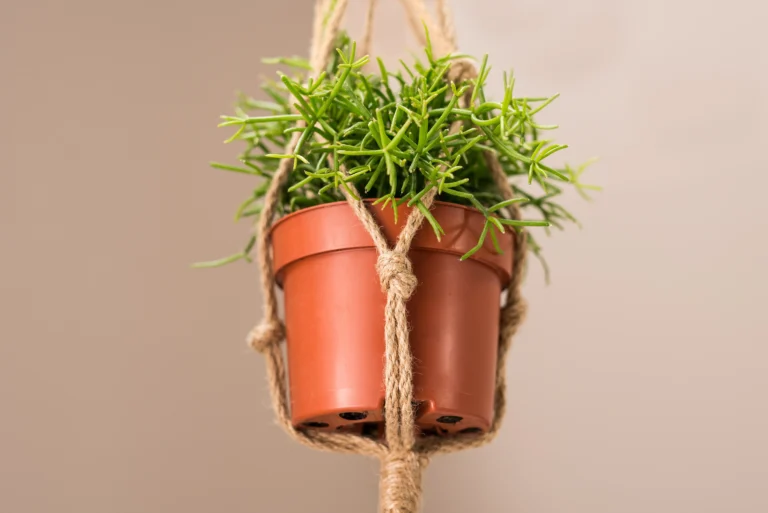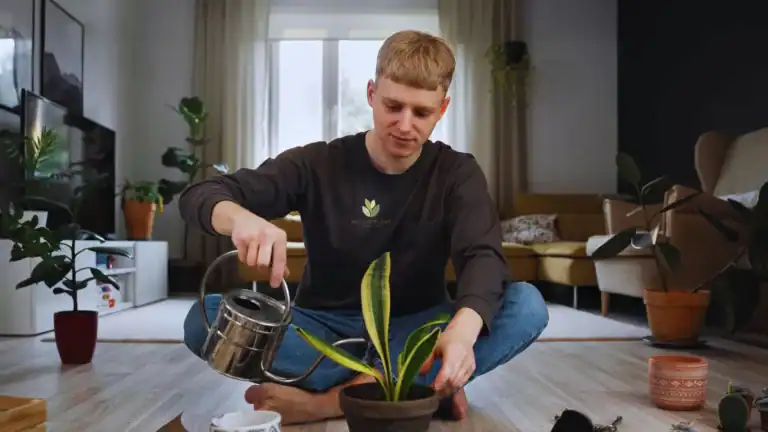
SELF WATERING POTS FOR INDOOR PLANTS: EDUCATIONAL CARE GUIDE
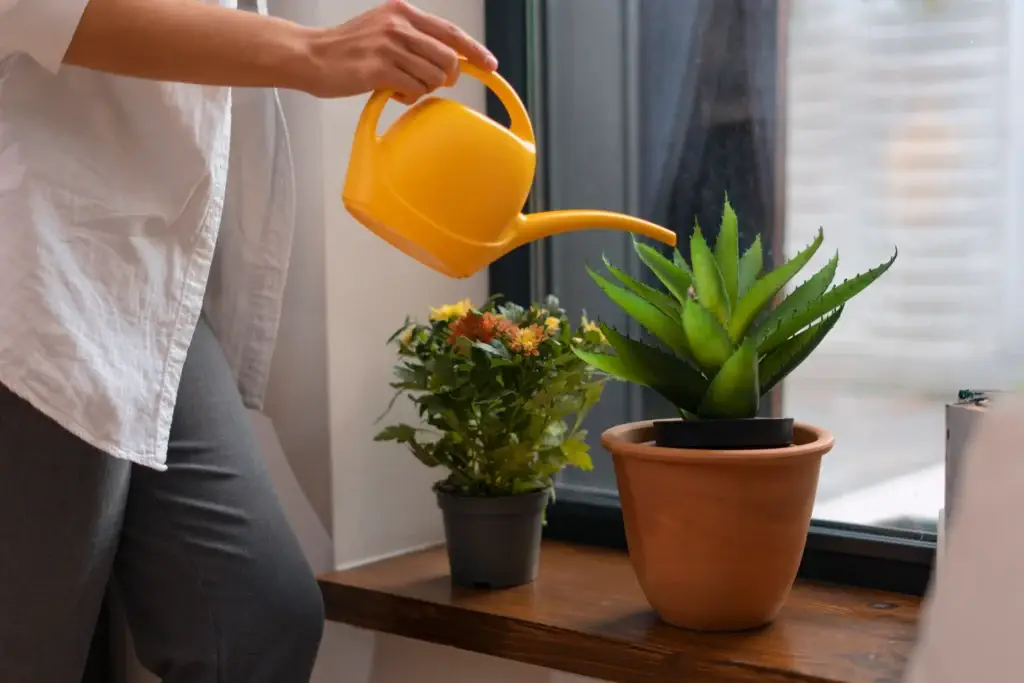
Keeping indoor plants healthy can sometimes feel overwhelming. Overwatering,
under-watering, and inconsistent care are common challenges, even for seasoned
plant owners. Between busy work schedules, travel plans, and the ever-changing
needs of different plant species, maintaining that perfect watering balance
often feels impossible.
Luckily, self watering pots for indoor plants are a game-changer. These
innovative planters supply water gradually through a built-in reservoir system,
reduce stress on your plants, and make indoor gardening more manageable.
Whether you’re a complete beginner or an experienced plant parent, self
watering pots can transform your plant care routine.
In this comprehensive guide, you’ll learn how these pots work, which plants
thrive in them, soil and watering tips, and practical troubleshooting advice.
By the end, you’ll know exactly how to use them for a lush, thriving indoor
garden.
UNDERSTANDING SELF WATERING POTS FOR INDOOR PLANTS
Self watering pots contain a built-in water reservoir separate from the main
soil compartment that allows soil to draw moisture as needed through capillary
action. This design mimics the natural water table found in outdoor soil, where
plant roots can access moisture at deeper levels even during dry periods.
The system puts your plants in control of their own hydration. Instead of
guessing when and how much to water, plants take what they need when they need
it. This addresses the number one cause of houseplant death: improper watering.
These planters are ideal for:
Busy homeowners who work long hours and don’t have time for daily plant checks.
Instead of worrying whether plants are too dry after a long day, you simply
check the reservoir once a week.
Frequent travelers who no longer need plant sitters for trips lasting one to
two weeks. The reservoir provides enough water to sustain most plants during
typical vacation periods.
Beginners learning plant care can use these as training wheels while developing
understanding of plant needs. The water level indicator provides clear feedback
and removes guesswork from the learning process.
Key Features:
Water reservoir with level indicator: Holds enough water for one to three weeks
depending on pot size and plant needs. The indicator (usually a floating gauge
or transparent window) shows at a glance when refilling is needed.
Wick or bottom-watering system: These delivery mechanisms ensure water moves
from reservoir to soil without creating waterlogged conditions. The transfer
rate naturally adjusts based on soil dryness.
Reduces daily watering frequency: Most plants need reservoir refills only every
one to two weeks, compared to every few days with traditional pots.
Promotes consistent root hydration: Unlike traditional watering’s wet-dry
cycles, self watering pots maintain consistent moisture in the ideal range for
root health and nutrient uptake.
Real-Life Example:
I placed a Peace Lily in a self watering pot before a week-long trip. Peace
Lilies dramatically wilt within hours of soil drying out. I filled the reservoir
completely and left town. When I returned, the plant was perfectly healthy and
green. The reservoir was half empty, showing steady water draw throughout the
week. That Peace Lily is now three years old and has never once wilted.
HOW SELF WATERING POTS WORK
Understanding the mechanics helps you use these pots effectively and
troubleshoot problems when they arise.
Reservoir System Explained
The reservoir sits at the pot’s base, typically taking up the bottom two to
four inches. This chamber holds water separate from soil above, with a
perforated platform between them.
Separation prevents soil from sitting in water, which causes root rot. Instead,
moisture moves from reservoir to soil via capillary action—the same principle
that lets paper towels soak up spills and trees move water from roots to leaves.
Capillary action occurs when water molecules are more attracted to surrounding
material (soil particles or fabric wicking) than to each other. This causes
water to move upward against gravity. As soil dries from plant uptake and
evaporation, capillary force increases, automatically drawing more water.
The system is self-regulating: when soil is moist, capillary action slows; when
dry, it speeds up. This mimics natural soil conditions better than traditional
watering’s feast-or-famine cycle.
Wick vs Bottom Watering System
Self watering pots use two main approaches:
Wick system uses fabric wicks (like thick rope) extending from reservoir into
soil. Water climbs the wick then spreads horizontally into surrounding soil.
Best for small to medium plants (up to 10 inches diameter) because wicks can
only move water so far horizontally. Excellent for herbs, ferns, and compact
tropicals.
Bottom-watering system relies on direct soil contact with water through
openings in the platform. Water moves upward through capillary action in soil
itself. Ideal for larger plants because it distributes water across wider areas.
Requires very well-draining soil; dense potting mix won’t allow effective water
rise.
Understanding Water Level Indicators
Most pots include visual indicators showing reservoir water levels.
Float gauges are most common. A plastic float sits on reservoir water, connected
to a visible indicator rod. As water drops, the float descends and the rod
shows lower on its scale. These typically have MIN (time to refill), OPT
(optimal level), and MAX (don’t exceed) zones.
Transparent reservoir windows let you see water level directly, eliminating
mechanical components that could fail.
Learning to read your indicator is essential. Don’t automatically refill at MIN;
different plants have different needs. Moisture-loving tropicals should be
refilled at MIN, but plants preferring drier conditions might do better waiting
a day or two after MIN.
BENEFITS OF USING SELF WATERING PLANTERS FOR HEALTHY PLANTS
Prevents Overwatering
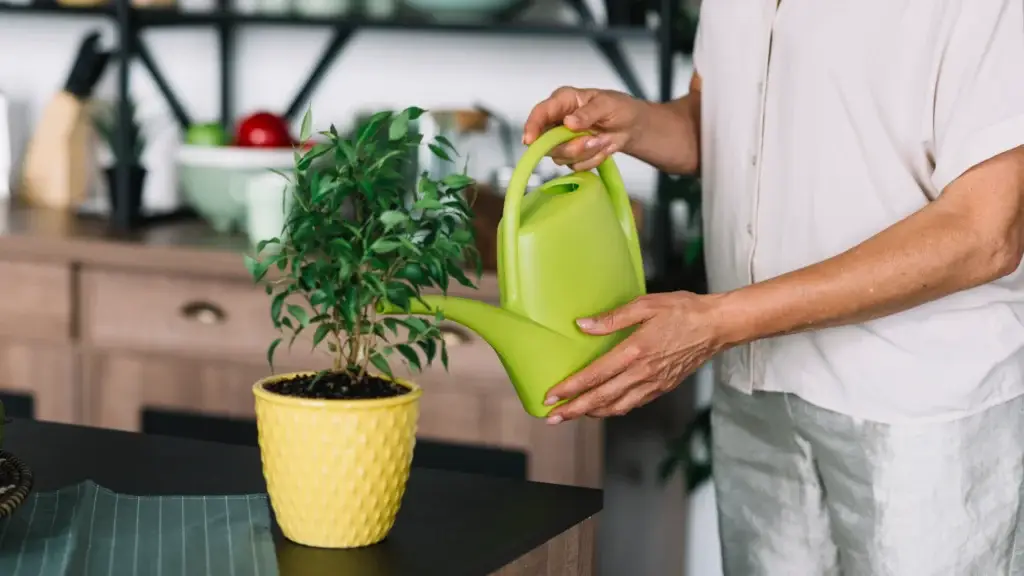
Overwatering causes more houseplant deaths than all pests, diseases, and
neglect combined. When soil stays waterlogged, air pockets fill with water,
suffocating roots that need oxygen. Root rot quickly follows from fungi
thriving in anaerobic conditions.
Self watering pots eliminate this through separated reservoir design. Soil
never sits in water; it only draws moisture upward as needed. This maintains
the goldilocks zone: not too wet, not too dry, but just right for optimal root
health.
Traditional top-watering creates cycles where soil is very wet immediately
after watering, then gradually dries. This stresses plants that must constantly
adapt to changing conditions. Self watering pots maintain stable moisture
levels, significantly reducing root rot risk.
Reduces Plant Stress
Inconsistent watering triggers stress responses: yellowing leaves, leaf drop,
slowed growth, and increased pest vulnerability. When soil moisture fluctuates
dramatically, plants work harder to maintain internal water balance.
During dry periods, plants close stomata (leaf pores) to prevent water loss,
which reduces photosynthesis and growth. When water suddenly becomes abundant,
rapid uptake can cause cellular damage.
Consistent hydration from self watering pots reduces these stress cycles.
Plants maintain steady growth rates, produce larger leaves, and show better
vigor. You’ll notice fewer yellow leaves, less leaf drop, and more resilient
plants.
Saves Time for Busy Plant Owners
Traditional pot watering requires checking each plant individually, assessing
soil dryness, watering carefully, waiting for drainage, and emptying saucer
trays. For twenty plants, this becomes a 30-45 minute routine several times
weekly.
Self watering pots reduce this to checking reservoir indicators (quick visual
scan) and refilling as needed, typically weekly. For twenty plants, weekly
maintenance might take fifteen minutes total. That’s hours saved monthly.
Additional Benefits:
Promotes healthy root growth: Consistent moisture encourages roots to develop
throughout entire soil volume rather than concentrating in wet zones.
Improves soil nutrient absorption: Plant roots only absorb nutrients dissolved
in water. Steady moisture keeps nutrients at optimal concentrations for
continuous uptake.
Conserves water: Self watering pots use 20-40% less water than traditional pots
because all water goes into soil rather than running through drainage holes.
POTENTIAL DRAWBACKS AND HOW TO AVOID THEM
Risk of Root Rot if Misused
Self watering pots can cause overwatering if used incorrectly. The most common
mistake is using inappropriate soil. Heavy, dense soil compacts too tightly for
capillary action to work properly.
Use well-draining soil specifically formulated for containers. Quality potting
mixes contain perlite, vermiculite, or pumice creating air pockets for water
movement and oxygen circulation.
Don’t overfill the reservoir beyond MAX. Reservoirs need air gaps at top;
filling completely can cause water backing up into soil, creating waterlogged
conditions.
Soil Salt Buildup
Fertilizer salts accumulate in self watering systems because water wicks upward
but rarely flushes downward. Salts appear as white crusty deposits on soil
surface or pot rim, damaging roots and causing brown leaf tips and stunted
growth.
Flush soil every two to three months. Remove plant from pot and run water
through soil in a sink, letting it drain completely. This washes accumulated
salts out. Allow thorough drainage before returning to self watering pot.
Use liquid fertilizer at half recommended strength. More frequent feeding at
lower concentrations reduces salt accumulation.
Not Suitable for All Plants
Succulents, cacti, and drought-tolerant plants prefer soil that dries completely
between waterings. Constant moisture confuses their natural growth cycles and
often causes root rot.
These plants do best in traditional pots with excellent drainage where you
control watering to match their preferences.
WHICH INDOOR PLANTS THRIVE IN SELF WATERING POTS
| Plant Type | Works Well? | Why | Tips for Care |
|---|---|---|---|
| Monstera deliciosa | Yes | Loves steady moisture | Use airy soil, indirect |
| light | |||
| Pothos | Yes | Low-maintenance, tolerates | Trim regularly for bushy |
| low light | growth | ||
| Peace Lily | Yes | Thrives with consistent | Keep reservoir filled, |
| moisture | avoid overflow | ||
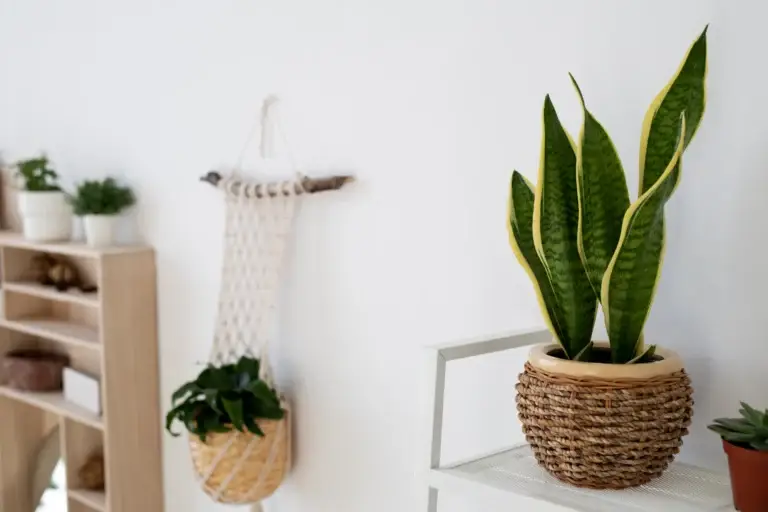
| Snake Plant | Sometimes | Prefers drier soil | Minimal reservoir water |
| Succulents | No | Can rot if soil stays wet | Use traditional pots |
SOIL, DRAINAGE, AND WATERING TIPS
Best Soil Mix
Well-draining potting mix with perlite or vermiculite forms the foundation of
success. Look for mixes labeled for container or indoor plants. These are
engineered to retain moisture while allowing air circulation.
Perlite (white volcanic glass) creates air pockets and improves drainage. Mixes
with 15-25% perlite work well for most tropical houseplants.
Avoid heavy garden soil completely. Garden soil compacts in containers,
preventing water movement and oxygen circulation.
Add organic compost for nutrients, but limit to 10-15% of total volume. Too
much retains excessive moisture.
For moisture-loving tropicals: 3 parts potting mix to 1 part perlite.
For moderate moisture plants: equal parts potting mix and perlite.
For plants preferring drier conditions: 1 part each potting mix, perlite, and
coarse sand.
Proper Drainage Practices
The perforated platform serves as crucial barrier between water and soil. Never
fill soil above overflow hole; this defeats reservoir purpose.
If water pools on soil surface after refilling reservoir, your soil is too
dense or pot is overfilled with medium.
The overflow hole prevents overfilling the reservoir. When water runs out this
hole, stop immediately.
How to Monitor Water Levels
Check indicator regularly, ideally same time weekly. This builds familiarity
with your plants’ water consumption rates.
Adjust refilling based on plant type, light, and season. High-light locations
increase consumption. A Monstera in bright south-facing window might need
weekly refills; in north-facing window, every two weeks.
Plants in low light need less frequent refills. They photosynthesize less, grow
slower, and transpire less water.
Seasonal variations matter significantly. Winter’s lower light and indoor
heating reduce needs. Spring and summer schedules might be twice weekly; winter
could drop to every ten days.
HOW TO USE SELF WATERING POTS EFFECTIVELY
Place pots according to each plant’s light needs first. Self watering doesn’t
change light requirements.
Fill reservoir according to plant type when first setting up. For new plantings,
fill only to MIN for the first week. This gives roots time to establish. After
establishment, fill to OPT for most tropicals.
For plants preferring drier conditions, fill only to MIN even after
establishment. Let reservoir empty completely, wait two to three days, then
refill to MIN.
Check soil moisture occasionally by touch, especially first month with new
plants. Insert finger about two inches deep. It should feel evenly moist but
not soggy.
Light fertilization works best: liquid fertilizer at quarter to half strength
with every other reservoir refill during spring and summer.
COMMON PROBLEMS AND TROUBLESHOOTING
Signs of Overwatering
Yellow leaves, particularly on lower foliage, indicate too much moisture. If
yellowing appears suddenly, check reservoir level and soil moisture immediately.
Soft stems feeling mushy signal root damage from excessive moisture. Reduce
reservoir levels and improve soil aeration.
Moldy soil surface shows white, fuzzy growth. Remove visible mold, reduce
reservoir water, and improve ventilation.
Mold or Algae Growth
Clean reservoir every four to eight weeks. Empty remaining water, wipe with
solution of one part white vinegar to three parts water, rinse thoroughly,
refill with fresh water.
Use aerated soil to reduce surface moisture. Top dressing with decorative stones
discourages growth.
Adjusting Watering for Low-Light Rooms
Plants consume water much slower in low light. Refill reservoir less frequently
to avoid root rot.
Let indicator reach MIN, then wait additional two to four days before refilling.
Consider filling only to MIN rather than OPT in permanent low-light locations.
MAINTAINING YOUR SELF WATERING PLANTER
Cleaning the Reservoir
Empty and rinse every one to two months to prevent mineral buildup, algae, and
stagnant water odors. Tip pot to pour out remaining water, add clean water,
swish, and empty again.
For deeper cleaning, remove inner pot if possible and scrub reservoir with soft
brush and mild soap solution, or use diluted white vinegar.
Remove stubborn buildup by soaking affected parts in white vinegar for 30
minutes before scrubbing.
Refilling Water Correctly
Use room-temperature water. Cold water shocks roots; very warm water encourages
bacterial growth.
Avoid overfilling beyond MAX. Overfilling eliminates necessary air gap.
Fill slowly, allowing indicator to stabilize between additions.
Seasonal Care Tips
Reduce water in winter when growth slows and light decreases. Summer weekly
refills might extend to every two or three weeks in winter.
Adjust to changing light as seasons shift. That bright south window provides
strong summer light but dimmer winter conditions due to sun’s lower angle.
Trim dead leaves regularly. Remove damaged leaves at their base with clean
scissors.
Spring is ideal for major maintenance: deep clean reservoirs, refresh soil if
needed, and increase refill frequency as plants enter active growing season.
FINAL THOUGHTS: ARE SELF WATERING POTS RIGHT FOR YOUR PLANTS?
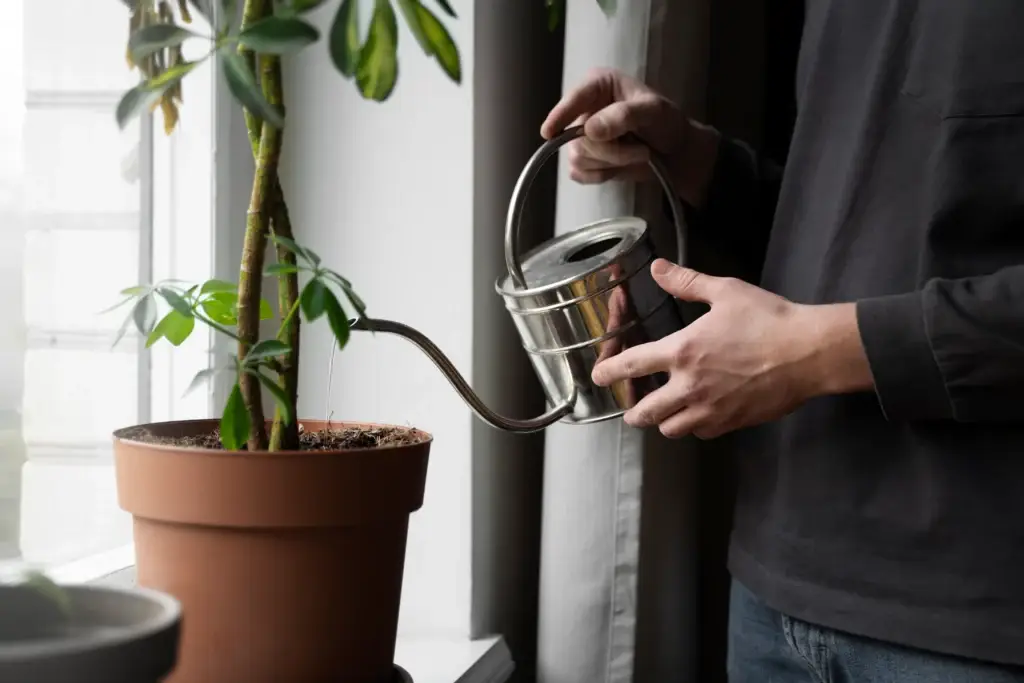
Self watering pots are excellent tools for consistent plant care, especially
for tropical and moisture-loving species. They save time, reduce plant stress,
and prevent common watering mistakes.
Plants grow more vigorously with consistent moisture, showing better color,
larger leaves, and faster growth. The risk of overwatering drops dramatically
with proper setup and maintenance.
For busy professionals, frequent travelers, and beginners, self watering pots
can mean the difference between success and failure. They provide buffer against
inevitable times when life gets hectic.
However, success requires understanding system requirements. Use well-draining
soil formulated for containers. Monitor water levels appropriately for each
species. Match technology to appropriate plants: tropicals thrive; succulents
fail.
Perform regular maintenance including reservoir cleaning and periodic soil
flushing. These take minimal time but prove essential for long-term success.
Think of self watering pots not as “set and forget” but as sophisticated tools
still requiring knowledge and attention. They eliminate daily watering and
reduce consequences of imperfect timing, but don’t eliminate need to understand
plant requirements.
For right plants in right conditions with right care, self watering pots
deliver transformative results.
FREQUENTLY ASKED QUESTIONS
How do self watering pots work for indoor plants?
They use a separated reservoir system holding water at the container base,
isolated from soil above. Water moves from reservoir to soil through capillary
action. The system uses fabric wicks or direct soil contact through platform
openings. As roots absorb water and soil dries, capillary forces automatically
draw replacement moisture. This creates self-regulating systems where plants
essentially water themselves according to actual needs. Most include water
level indicators showing when reservoir needs refilling, typically every one to
three weeks.
Are self watering pots good for all indoor plants?
No. They work best for plants preferring consistently moist soil, particularly
tropical species. Monstera, Philodendron, Pothos, Peace Lily, and most ferns
thrive in these systems. However, succulents and cacti adapted to arid
environments perform poorly. These plants prefer soil drying completely between
waterings; their roots are susceptible to rot when constantly moist. Plants
from Mediterranean climates and those requiring dormancy with reduced water
also do better in traditional pots.
Can self watering pots prevent overwatering completely?
They dramatically reduce overwatering risk but cannot prevent it completely.
The separated reservoir design prevents soil sitting in water, eliminating the
most common overwatering scenario. However, problems arise from soil too dense
for proper capillary action, overfilling reservoir beyond maximum, or using
systems with unsuitable plant species. Used correctly with appropriate plants
and well-draining soil, self watering pots reduce overwatering risk by 80-90%
compared to traditional containers.
What soil is best for self watering pots?
Well-draining potting mix formulated for container growing, amended with
perlite or vermiculite. Ideal mix contains 60-70% quality potting soil, 20-30%
perlite, and 10% organic matter like coconut coir. Never use garden soil, which
compacts and prevents water movement. For moisture-loving tropicals: 3 parts
potting mix to 1 part perlite. For plants preferring faster drainage: equal
parts potting mix and perlite.
How often should I refill the water reservoir?
Frequency varies from weekly to every three weeks based on plant size, pot size,
light conditions, temperature, humidity, and season. Let the water level
indicator guide you. Most plants should be refilled when indicator reaches MIN.
During active growing season (spring and summer), expect refills every 7-14
days for typical tropical houseplants. During winter, this extends to 14-21
days or longer. Keep a log for the first month noting when you refill each pot;
patterns emerge quickly.
Do self watering pots increase plant growth?
Yes, when used correctly with appropriate species. Consistent moisture promotes
healthy root development throughout entire soil volume, leading to stronger
root systems supporting vigorous top growth. Consistent moisture improves
nutrient uptake efficiency since roots only absorb nutrients dissolved in
water. However, light, soil nutrients, and pruning remain equally important.
Self watering removes watering as limiting factor, allowing other care elements
to fully support plant potential. Expect improvements in leaf size, color,
growth rate, and overall health within four to eight weeks.
Are there indoor plants that should not use self watering pots?
Yes. Succulents and cacti require soil drying completely between waterings;
constant moisture causes root rot. Drought-tolerant plants from Mediterranean
climates (lavender, rosemary, sage) similarly need periodic drying. Most
orchids prefer distinct wet-dry cycles in very coarse, fast-draining media that
self watering pots cannot provide. Bulbs during dormancy require dry resting
phases conflicting with continuous moisture. Very small plants, seedlings, and
recent propagations often struggle because their limited roots don’t extend
deep enough to access wicking zones.
Self watering pots are ideal for tropical and moisture-loving plants, but remember, not all plants thrive in constant moisture. For tips on keeping lily plants alive indoors and avoiding overwatering common in low-light conditions, see our detailed guides. For pet owners, check the ASPCA cat-safe plant guide to ensure your plants are non-toxic
================================================================================
Disclaimer:
The information provided in this article, “Self Watering Pots for Indoor Plants: Care & Tips”, is for educational and informational purposes only. We are not responsible for any damage or loss caused to plants due to improper use of self watering pots. Always follow the instructions provided by the product manufacturer and consult a professional if needed. Individual results may vary depending on plant type, environment, and care.
Free Images Guidance
Use 100% free, copyright-safe images from:
- Pixabay: https://pixabay.com
- Unsplash: https://unsplash.com
- Pexels: https://www.pexels.com
These images are free for commercial use and don’t require attribution.
Suggested Alt Texts for SEO:
Self watering pot for indoor plants with water reservoirIndoor Peace Lily in self watering pot showing healthy leavesClose-up of water level indicator on indoor plant self watering pot