Why Indoor Plant Leaves Turn Yellow (Causes + Fixes)
It started with one yellow leaf. I ignored it. Then another showed up a few days later — and suddenly I was staring at a plant that looked like it was slowly dying without any clear reason.
The strange part was — nothing had changed. Same spot, same watering, same routine.
That’s when I realized something most beginner guides don’t explain clearly: yellow leaves are not a single problem. They’re a signal. And if you misread that signal, you make things worse instead of fixing it.
Indoor Plant Leaves Turning Yellow — What It Usually Means
When you see indoor plant leaves turning yellow, it’s usually not random. It’s the plant reacting to stress.
That stress usually comes from imbalance:
- too much or too little water
- not enough light
- poor soil condition
- root issues
Fixing the problem is usually simple. Identifying the right cause is where most people go wrong. The hard part is identifying the exact cause.
At first, I assumed yellow leaves always meant the plant needed more water. That assumption made things worse more than once.
First Step: Don’t Guess — Check These 3 Things
Before you try to fix anything, take a moment and check these three things first:
Soil Moisture
Push your finger into the soil.
- Wet → don’t water
- Dry → watering might be needed
Light Exposure
Is the plant near a window or far in a dark corner?
Recent Changes
Did you:
- move the plant
- repot it
- change watering habit
These three checks usually reveal the problem faster than guessing.
If you want to understand how watering, light, and soil all work together, my guide on Indoor Plant Care Tips: 10 Proven Ways That Actually Work breaks down the full system step by step.
The Most Common Causes (And How to Recognize Them)
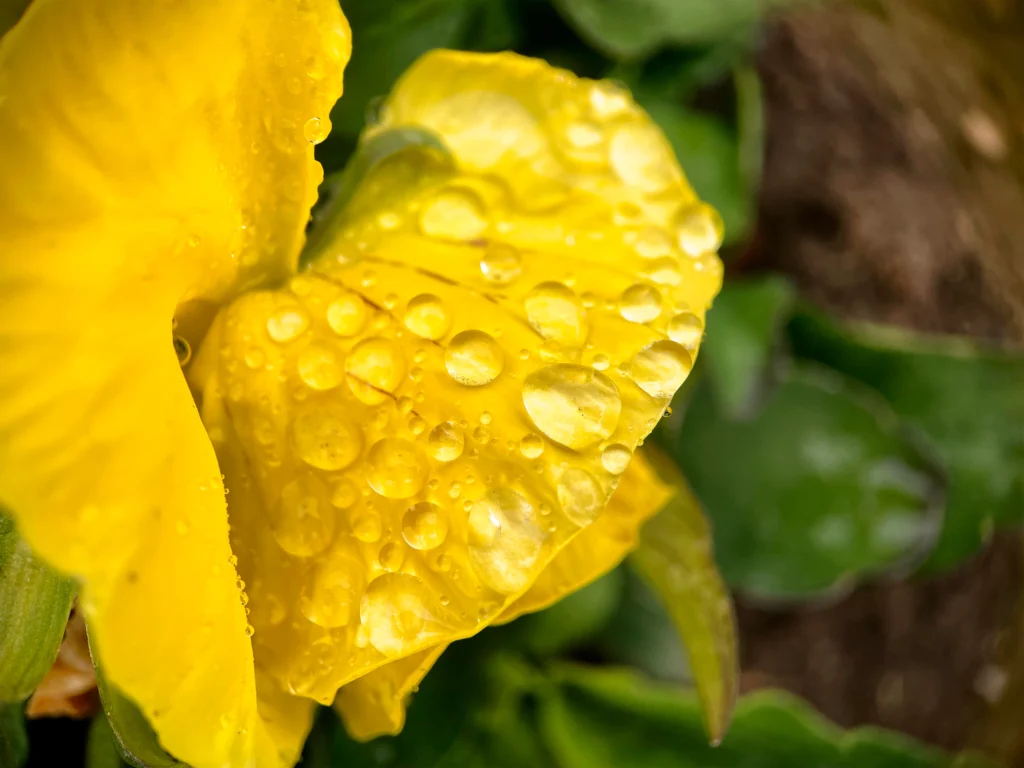
Overwatering (Most Common Cause)
Signs:
- soft yellow leaves
- soil stays wet for days
- slight smell from soil
Why it happens:
Roots sit in wet soil for too long, lose access to oxygen, and slowly stop functioning the way they should.
Fix:
- stop watering immediately
- let soil dry out completely
- make sure pot has drainage holes
Underwatering (Opposite Problem)
Signs:
- yellow leaves with dry, crispy edges
- soil feels very dry and pulls away from pot
Why it happens:
The plant isn’t getting enough water to support leaves.
Fix:
- water slowly and evenly
- let soil absorb water fully
- don’t flood it all at once
Low Light Stress
Signs:
- pale yellow leaves
- slow or stretched growth
Why it happens:
The plant isn’t getting enough energy to maintain healthy leaves.
Fix:
- move plant closer to natural light
- or use a simple grow light
Nutrient Deficiency
Signs:
- yellow leaves but veins may stay slightly green
- plant looks weak overall
Why it happens:
Old soil loses nutrients over time.
Fix:
- add light fertilizer
- or refresh soil
Root Problems (Hidden Cause)
Signs:
- yellowing continues no matter what you change
- the plant keeps declining even after adjusting watering and light
Why it happens:
Damaged roots (often from overwatering) stop absorbing nutrients.
Fix:
- remove plant from pot
- check roots
- trim soft or dark roots
- repot in fresh soil
What I Noticed With My Own Plants
Every time I saw yellow leaves, my first instinct was to water more. It felt like the safest response — but in most cases, it was exactly the wrong one.
But most of the time, it was the opposite.
Once I stopped reacting quickly and started checking soil first, the problem became much easier to fix. The leaves didn’t magically turn green again — but new healthy growth started appearing.
One Yellow Leaf vs Whole Plant — Big Difference
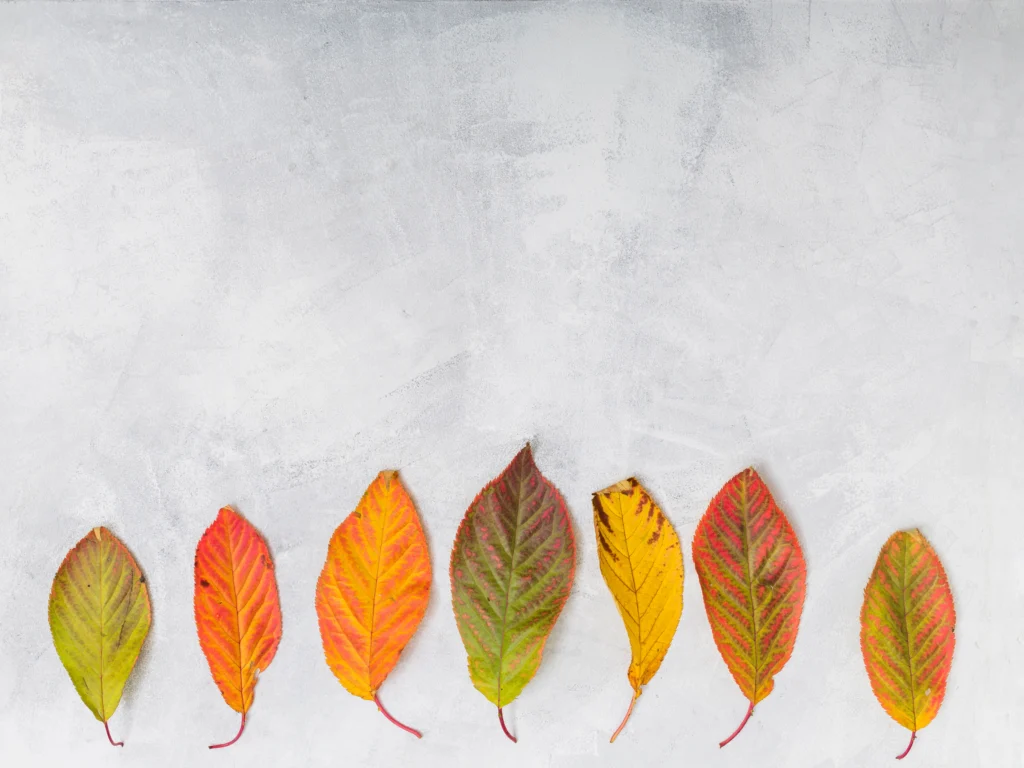
- One or two yellow leaves → normal aging
- Multiple leaves turning yellow → actual problem
Not every yellow leaf means your plant is dying.
Sometimes it’s just part of the natural cycle.
How to Fix Yellow Leaves (Simple Order to Follow)
Step 1: Check soil (wet or dry)
Step 2: Adjust watering
Step 3: Review light conditions
Step 4: Inspect roots if problem continues
Follow this order. Don’t try to fix everything at once.
When You Should Remove Yellow Leaves
- Fully yellow → remove it
- Partially yellow → wait
Removing leaves doesn’t fix the cause — it just helps the plant focus energy on healthy growth.
Small Mistakes That Make It Worse
- watering more immediately
- moving plant too often
- changing multiple things at once
Trying to “fix everything fast” usually stresses the plant more.
Quick Weekly Check Routine (Prevention)
- check soil every few days
- observe leaves regularly
- avoid fixed watering schedules
This takes less than a minute but prevents most problems.
Frequently Asked Questions
Why are my indoor plant leaves turning yellow even after watering?
It’s often overwatering or root damage, not lack of water.
Can yellow leaves turn green again?
No. Once a leaf turns yellow, it won’t recover.
Is yellowing always a bad sign?
Not always. Older leaves naturally turn yellow and fall off.
How fast should I act?
As soon as you notice multiple yellow leaves — early action prevents bigger issues.
Final Thought
Yellow leaves are not failure — they’re feedback.
Once you stop guessing and start observing, plant care becomes much easier. You don’t need to do more — you just need to understand what the plant is telling you.
Start with one check at a time instead of trying to fix everything at once. Once you understand the cause, the solution becomes much simpler — and the plant usually responds faster than you expect.
According to guidance from the Royal Horticultural Society, yellowing leaves are most commonly linked to watering imbalance and root stress in indoor plants.
All images used in this article are sourced from Freepik and are licensed for free use under their respective licenses. We do not claim ownership of these images. Full credit belongs to the original creators on Freepik.com.