How to care for a fern houseplant
You brought home a gorgeous, lush fern. It looked perfect at the garden center — deep green, full, and alive. Then a few weeks later, the tips started turning brown. The fronds drooped. You watered it more. It got worse.
Sound familiar? You’re not alone. Ferns are one of the most popular houseplants in America, and also one of the most misunderstood. The good news is, once you understand what a fern actually needs, keeping it alive is pretty straightforward.
Quick Answer: To care for a fern houseplant, place it in bright indirect light, water when the top inch of soil feels dry, keep humidity between 40–60%, and use well-draining soil rich in organic matter. Avoid direct sun, dry air, and overwatering. Most fern problems come down to low humidity or inconsistent watering.
If you’re new to houseplants, start with these indoor plant care tips that actually work to understand the basics before focusing on ferns.
Let’s dig in.
10 Quick Fern Care Tips (Beginner Checklist)
1. Check the soil before you water. Stick your finger an inch into the soil. If it’s still moist, wait. Watering on a fixed schedule is one of the fastest ways to kill a fern.
2. Keep humidity above 40%. Dry air is a fern’s worst enemy. A small humidifier nearby makes a bigger difference than almost anything else you can do.
3. No direct sunlight. Bright indirect light is the sweet spot. Direct sun scorches fronds fast — even an hour of harsh afternoon sun can cause damage.
4. Don’t let water sit in the saucer. After watering, empty the drainage tray. Roots sitting in standing water leads to rot, and root rot is hard to come back from.
5. Your bathroom might be the perfect spot. Steam from showers naturally boosts humidity. If you have a window with decent light in there, try moving your fern in — many people are surprised by the results.
6. Cut back on water in winter. Your fern slows down when the days get shorter. Once a week or even less is usually enough. Overwatering in winter is extremely common.
7. Fertilize lightly in spring and summer only. Half-strength liquid fertilizer once a month during the growing season is plenty. Skip it entirely in fall and winter.
8. Wipe the leaves occasionally. Dust blocks light absorption. A quick wipe with a damp cloth every few weeks keeps your fern looking fresh and helps it grow better.
9. Brown tips usually mean low humidity, not thirst. Most people water more when they see brown tips. Usually that makes things worse. Check humidity first — that’s almost always the real culprit.
10. Repot in spring when roots get crowded. If roots are sneaking out of the drainage holes or the soil dries out within a day of watering, it’s time for a slightly bigger pot. Don’t rush it though — ferns actually like being a little snug.
Fern Care Basics at a Glance
Before we get into the details, here’s a simple reference table you can bookmark.
| Care Factor | What Your Fern Needs |
|---|---|
| Light | Bright indirect light; no direct sun |
| Water | When top 1 inch of soil is dry |
| Humidity | 40–60% (higher is better) |
| Soil | Moist, well-draining, organic-rich mix |
| Temperature | 60–75°F (avoid cold drafts) |
| Fertilizer | Balanced liquid feed, monthly in spring/summer |
| Pot Type | Terra cotta or any pot with drainage holes |
That’s the quick cheat sheet. Now let’s break down what your fern actually needs day to day.
Light Requirements for Indoor Ferns
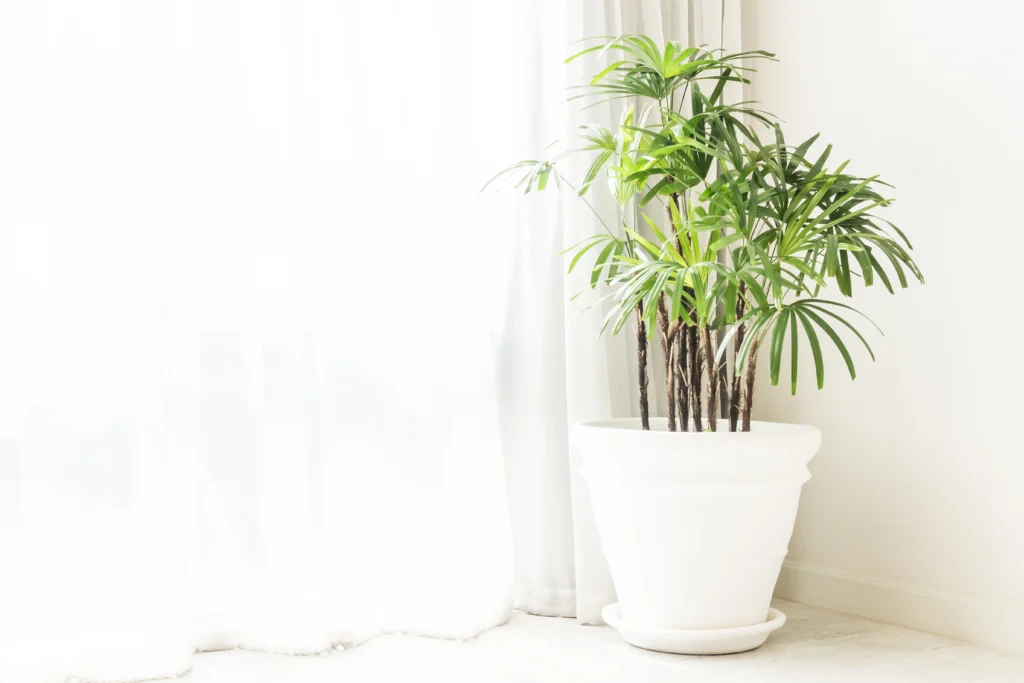
Ferns are forest floor plants. In the wild, they grow under tall trees where sunlight filters through the canopy. That tells you everything you need to know about their light preferences.
Bright Indirect Light vs. Low Light
Ferns do best in bright, indirect light. Think of a spot near a window where light reaches the plant, but the sun’s rays never land directly on the leaves. Direct sunlight will scorch fern fronds fast — you’ll see crispy brown patches within days.
That said, ferns are more forgiving in low light than most plants. They can survive in a corner or a shadier room, but they won’t thrive there. Growth slows down, leaves stay small, and the plant looks a little sad. If you want a happy, full fern, aim for a bright spot without direct sun.
Best Rooms for Placement
The best rooms in your home for ferns are typically:
- East-facing rooms — gentle morning light, perfect conditions
- North-facing rooms — low but consistent light, works well for ferns
- Bathrooms and kitchens — often have humidity naturally (more on that later)
Avoid south or west-facing windows unless you have sheer curtains to filter the afternoon sun. That intense, direct light is too harsh for most fern varieties.
If your home doesn’t get enough natural light, you can use LED grow lights for indoor plants to keep your fern healthy year-round.
How Often to Water a Fern Houseplant
Here’s where most people go wrong. Overwatering is probably the number one reason ferns die indoors. People see droopy leaves and immediately reach for the watering can. But drooping can mean too much water just as often as too little.
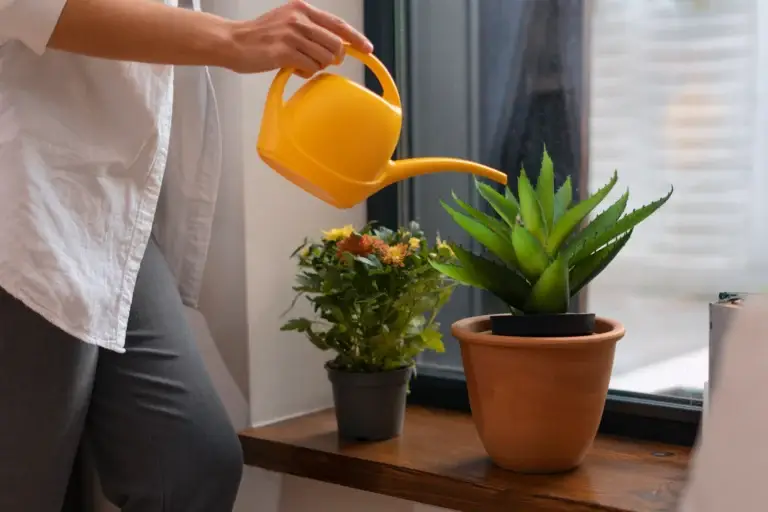
The rule is simple: water when the top inch of soil feels dry to the touch. Stick your finger about an inch into the soil. If it still feels moist, wait another day or two. If it’s dry, water thoroughly until it drains from the bottom.
A cheap moisture meter takes the guesswork out — not essential, but it saves a lot of second-guessing.
Watering by Season
Ferns don’t need the same amount of water year-round.
| Season | Watering Frequency |
|---|---|
| Spring | Every 2–3 days depending on humidity |
| Summer | Every 2–3 days; may need more in heat |
| Fall | Every 4–5 days as growth slows |
| Winter | Once a week or less; reduce significantly |
In winter, most ferns slow way down. They’re not dormant exactly, but they’re not actively growing either. Watering too much in winter is a fast track to root rot.
Signs of Overwatering
- Yellowing leaves, especially lower fronds
- Mushy stems at the base
- Soil that stays wet for more than a week
- A sour or rotten smell from the soil
- Root rot (roots look brown and soft instead of white and firm)
Signs of Underwatering
- Dry, crispy brown tips on fronds
- Soil pulling away from the edges of the pot
- Leaves that look dull and lifeless
- Wilting that doesn’t recover after watering
Here’s a quick tip: if your fern is wilting but the soil is wet, the problem is almost certainly overwatering or poor drainage — not thirst.
Humidity Needs for Ferns Indoors
If there’s one thing that separates fern owners who struggle from those who succeed, it’s humidity. Ferns love moisture in the air. Most American homes run between 30–40% humidity, especially in winter when the heat is on. That’s too dry for most ferns.
Ideal Humidity (40–60%)
Your fern is happiest when indoor humidity sits between 40 and 60 percent. Some tropical fern varieties can handle even higher. Below 40%, you’ll start seeing brown tips regardless of how perfectly you water.
A simple hygrometer (a small humidity monitor) costs around $10 and tells you exactly what the humidity is in any room. Totally worth it if you’re serious about keeping ferns healthy.
According to the University of Florida’s horticulture experts, Boston ferns thrive in consistently high humidity and suffer quickly in dry indoor air, which is why maintaining proper moisture levels is essential for healthy growth.
Misting vs. Humidifier
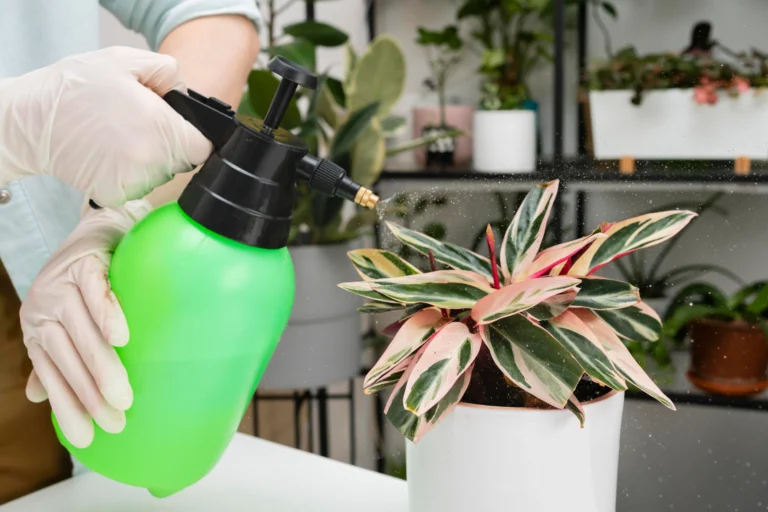
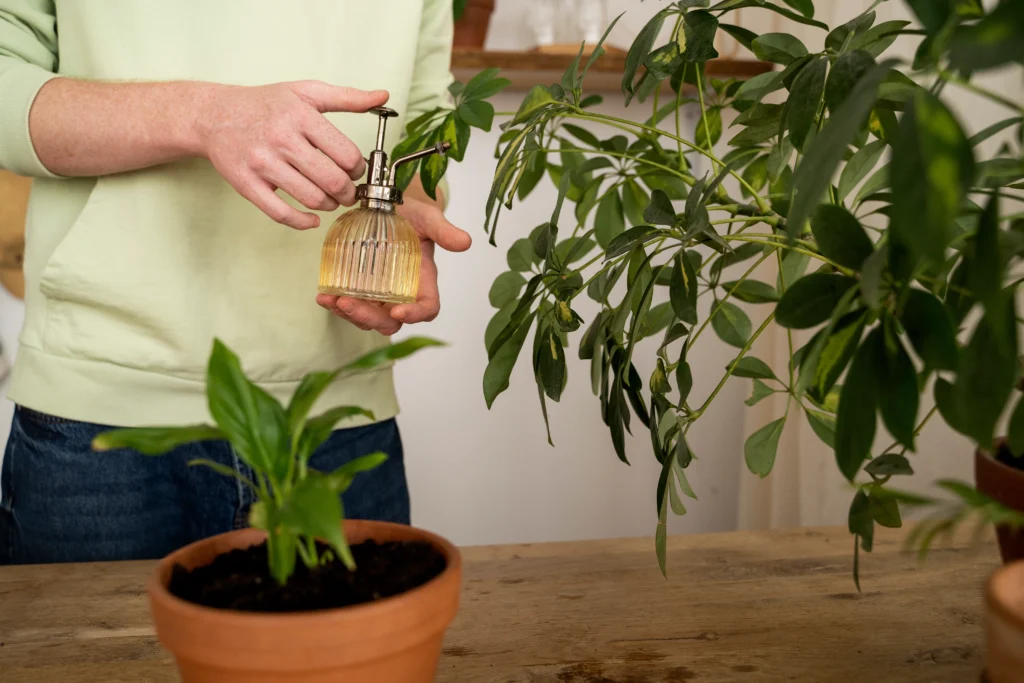
Misting is the advice you’ll see everywhere — and it’s not wrong, exactly, but it’s limited. Misting gives a brief humidity boost that lasts maybe an hour. If you’re consistent about it, it helps. But it won’t solve the problem if your home is very dry.
A small humidifier near your fern is far more effective. You don’t need anything fancy. A basic cool-mist humidifier running a few hours a day makes a real difference. Many plant enthusiasts who struggle with ferns see them completely transform once a humidifier is added to the room.
If you want more detail on this, check out our guide on [how to increase humidity for houseplants] — there are several methods that work well beyond just misting.
Like ferns, orchids also love higher humidity, so if you grow both, this orchid plant care guide will help you create the right environment.
Bathroom and Kitchen Placement
This is one of the easiest and most underrated fern hacks: put your fern in the bathroom or kitchen.
Both rooms naturally have higher humidity from cooking steam and showers. As long as there’s a window with decent light, ferns often do better in these rooms than anywhere else in the house. No humidifier needed.

Best Soil for Fern Houseplants
Ferns want soil that holds some moisture but never gets waterlogged. Think “consistently moist, never soggy.” That’s the goal.
A good indoor fern soil mix includes:
- Peat moss or coco coir — retains moisture and adds organic matter
- Perlite or coarse sand — improves drainage so water doesn’t sit
- Compost — adds nutrients and supports healthy growth
You can buy a premixed potting soil labeled for ferns or tropical plants, and most of them work fine. Just avoid heavy garden soil or cactus mixes — those are too dense or too fast-draining for ferns.
Drainage holes in the pot are non-negotiable. No drainage equals root rot, eventually. If you fall in love with a pot that doesn’t have holes, use it as a decorative outer pot and keep your fern in a plain plastic nursery pot with drainage inside it.
Temperature and Airflow Requirements
Ferns prefer temperatures between 60 and 75°F — which is basically standard room temperature for most American homes. They’re comfortable where you’re comfortable.
What they can’t handle:
- Cold drafts — keep them away from doors and drafty windows in winter
- Heat vents — hot, dry air from heating vents dries them out fast
- Air conditioning directly blowing on them — same problem, dry air plus cold
- Temperatures below 50°F — most houseplant ferns will struggle significantly
Good airflow around the plant is healthy, but direct blasts of air (hot or cold) are damaging. Find a stable, calm spot in the room and your fern will be happier for it.
Fertilizing Indoor Ferns
Ferns aren’t heavy feeders. They don’t need much fertilizer, and over-fertilizing can actually burn the roots and cause brown tips — the exact problem you’re probably trying to fix.
During the growing season (spring and summer), feed your fern once a month with a balanced, water-soluble fertilizer diluted to half strength. That’s all it needs — nothing complicated.
In fall and winter, stop fertilizing altogether. The plant isn’t growing much and doesn’t need the extra nutrients. Let it rest.
Using the right plant food for indoor plants helps ferns grow fuller without causing fertilizer burn.
Common Fern Problems and Fixes
Let’s troubleshoot. Here are the most common issues fern owners face, with clear causes and solutions.
Brown tips on fronds Cause: Low humidity or underwatering Fix: Boost humidity with a humidifier or bathroom placement; check your watering schedule
Yellow leaves Cause: Overwatering, poor drainage, or too much direct sun Fix: Let the soil dry out more between waterings; check drainage; move away from direct light
Dropping or wilting fronds Cause: Could be overwatering OR underwatering — check the soil first Fix: If soil is dry, water thoroughly; if wet, let it dry out and check for root rot
Pale, washed-out color Cause: Too much direct sunlight Fix: Move to a spot with filtered or indirect light
Pests (spider mites, scale, mealybugs) Ferns can attract a few common houseplant pests, especially in dry conditions. Spider mites love low humidity — another reason to keep that humidity up.
Symptoms: Fine webbing (spider mites), sticky residue (scale), white cottony spots (mealybugs) Fix: Wipe leaves with a damp cloth, treat with neem oil or insecticidal soap spray
For a full breakdown of what to look for and how to treat each pest, see our guide on [common fern pests and treatment].
Seasonal Fern Care Calendar
| Season | Key Care Focus |
|---|---|
| Spring | Resume regular watering; start monthly fertilizing; repot if rootbound |
| Summer | Water more frequently; watch humidity; keep out of hot direct sun |
| Fall | Reduce watering gradually; stop fertilizing; check for pests before bringing indoors |
| Winter | Water sparingly; run a humidifier; keep away from heaters and cold drafts |
Beginner Fern Care Checklist
Use this weekly to stay on top of your fern’s needs:
- Check soil moisture before watering (finger test or moisture meter)
- Look at the tips and leaves for any signs of stress
- Check the humidity in the room (hygrometer is your friend)
- Make sure the pot has drainage and no standing water in the saucer
- Wipe dust off leaves every few weeks so they can absorb light properly
- In spring and summer, add a half-strength liquid fertilizer once a month
- Rotate the pot occasionally so all sides get equal light
That’s a solid routine. Takes five minutes a week.
Ferns are just one option — explore these common indoor house plants for beginners if you want more low-maintenance choices.
FAQs
How often should I water my fern houseplant?
Water your fern when the top inch of soil feels dry — usually every 2 to 3 days in spring and summer, and once a week or less in fall and winter. The exact frequency depends on your home’s humidity and temperature.
Why are my fern’s leaves turning brown?
Brown tips are most commonly caused by low humidity or inconsistent watering. Try increasing humidity with a humidifier or by moving the fern to your bathroom. Brown crispy edges usually mean dry air; brown mushy spots usually mean overwatering.
Can ferns grow in low light?
Yes, ferns can tolerate low light better than many houseplants. But they’ll grow slowly and won’t look as full or vibrant. For the best results, give them bright, indirect light — near a north or east-facing window is ideal.
Do ferns need misting?
Misting helps temporarily but isn’t a reliable long-term solution for dry homes. A humidifier is much more effective. That said, a light misting a few times a week won’t hurt — just don’t let water sit in the center of the plant.
How do I know if my fern is overwatered?
Yellowing leaves, soggy soil that stays wet for more than a week, and a sour smell from the pot are the clearest signs. If you suspect overwatering, let the soil dry out more between waterings and make sure the pot has proper drainage.
What’s the best pot for a fern?
Any pot with drainage holes works. Terra cotta pots help prevent overwatering because they absorb excess moisture. Avoid glazed or plastic pots if you tend to water generously, as they hold moisture longer.
Should I repot my fern?
Repot your fern every 1–2 years in spring when you notice roots coming out of the drainage holes or the plant seems to dry out very quickly after watering. Go up just one pot size at a time.
Image credits: Images used in this article are sourced from Freepik.
If the image requires attribution (most free ones do), then use:
Image credits: Designed by Freepik