How Often to Water Indoor Plants in Winter
It’s mid-January, the radiator is humming, your windowsill is full of plants, and you’re standing there with a watering can wondering: is it time again already? Most people water their indoor plants far too often during winter — not out of negligence, but out of care. The instinct to nurture kicks in, the soil looks dry on the surface, and before you know it, you’ve drowned roots that were perfectly fine sitting in slightly moist soil for another week.
Overwatering in winter is one of the top reasons houseplants decline between November and March. Understanding how often to water indoor plants in winter — and more importantly, why the answer changes with the season — can be the difference between a thriving collection and a shelf full of yellow-leafed disappointments.
Let’s clear this up properly.
Why Indoor Plants Need Less Water in Winter
Plant Dormancy and Slow Growth
Most houseplants — even tropical varieties that never see a frost — experience a natural slowdown in winter. As daylight hours shorten and light intensity drops, photosynthesis slows. Growth nearly stops for many species. With reduced metabolic activity, plants simply don’t consume water at the same rate they do in spring and summer.
During active growth, a plant uses water to build new cells, push out leaves, and fuel constant photosynthesis. In winter, that engine idles. The plant isn’t building much, so it isn’t drinking much. Watering on the same schedule you used in July essentially forces water into a system that has no use for it — and stagnant moisture in the root zone is where root rot begins.
This is also why fertilizing in winter rarely makes sense. Without active growth, nutrients just sit in the soil unused or build up as salts.
How Cold Temperatures Affect Soil Drying
Even indoors, colder ambient temperatures slow evaporation significantly. In summer, a pot might dry out in five to seven days. That same pot in January, sitting near a cool window, might hold moisture for two to three weeks. The soil surface can dry out while the deeper layers remain soggy — which is exactly what fools people into watering too soon.
The temperature of the potting mix itself matters too. Cold soil holds moisture longer, and roots in cold conditions are less efficient at absorbing water. Add poor drainage into that equation and you have a recipe for waterlogged roots even with moderate watering.
Indoor Heating and Dry Air
Here’s the paradox: central heating dries the air while the soil stays wet much longer than expected. Low indoor humidity, often dropping to 20–30% in heated homes, causes leaf tips to brown and triggers visible stress. People see the dry air and assume the soil must be dry too. It usually isn’t.
Transpiration — the process by which plants release moisture through their leaves — does increase slightly when air is very dry. But it doesn’t increase enough to justify watering more frequently. The answer to dry air is increased humidity (a pebble tray with water, a humidifier, grouping plants together), not more frequent watering.
I learned this the hard way with a Peace Lily years ago. The heated room was so dry the leaf tips curled, so I doubled my watering. Within a month the roots had rotted from the inside out. The plant needed humidity — not more water in the pot.
How Often Should You Water Indoor Plants in Winter?
General Winter Rule of Thumb
There’s no single answer that fits every plant, pot, and home environment — but here’s a solid starting point:
- Most tropical houseplants (pothos, philodendrons, monsteras, peace lilies): water every 2–3 weeks, sometimes longer.
- Succulents and cacti: water every 3–6 weeks, or barely at all in very cold, low-light conditions.
- Snake plants and ZZ plants: water every 3–4 weeks at minimum.
The most important rule isn’t about frequency — it’s about checking the soil before every watering, regardless of how many days have passed.
How to Check If Your Plant Needs Water
The finger test is still the most reliable low-tech method. Push your finger about two inches into the soil. If it feels moist at all, wait. If it feels completely dry at that depth, you can water.
The lift method works well for smaller pots. Lift the pot right after watering and feel how heavy it is — that’s its “fully watered” weight. Lift it again a week later. When it feels noticeably lighter, it’s approaching time to water.
A moisture meter eliminates guesswork entirely. A basic probe costs very little and gives an accurate reading in seconds, especially useful for large pots where the surface dries long before the core does.
Leaf signals are a last resort rather than a first check. By the time leaves start to droop or curl from thirst, the plant has already been stressed. Use visual cues as confirmation, not as your primary trigger.
Best Time of Day to Water in Winter
Watering in the morning is ideal year-round, but especially in winter. It gives the foliage and soil surface a chance to dry before temperatures drop at night. Avoid watering late in the day in cool rooms — sitting in wet soil overnight in cold conditions increases the risk of fungal problems and root stress.
Watering Frequency by Plant Type
Succulents and Cacti
Winter frequency: Once every 4–6 weeks, or suspend watering almost entirely for dormant desert cacti.
Signs of thirst: Slightly wrinkled or shriveled leaves, soil bone dry for 2+ weeks. Signs of overwatering: Mushy stem base, translucent or yellowing lower leaves, soft and squishy pads.
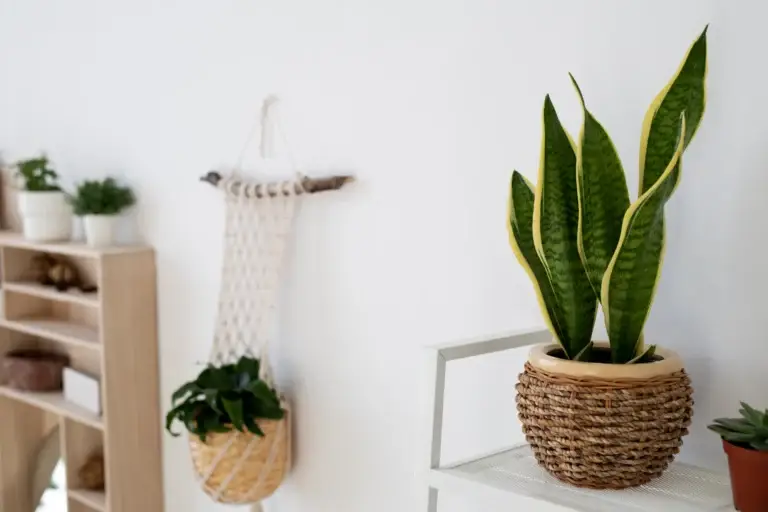
Snake Plant (Sansevieria)
Winter frequency: Every 3–4 weeks, sometimes longer. This is one of the most forgiving plants if you underwater — it recovers easily. Overwatering is far more dangerous.
Signs of thirst: Slight wrinkling on leaves, very lightweight pot. Signs of overwatering: Yellow, soft leaves starting from the base; mushy stem at soil level.
Pothos
Winter frequency: Every 2–3 weeks depending on pot size and location.
Signs of thirst: Leaves begin to slightly wilt or look less perky. Signs of overwatering: Yellowing leaves throughout the plant, soil stays persistently damp, roots smell sour.
ZZ Plant (Zamioculcas zamiifolia)
Winter frequency: Every 3–5 weeks. ZZ plants store water in their rhizomes, making them extremely drought-tolerant.
Signs of thirst: Yellowing older leaves, light pot weight. Signs of overwatering: Yellow leaves combined with consistently wet soil; rhizome rot is very common when overwatered in winter.
Peace Lily
Winter frequency: Every 2–3 weeks, but always check the soil. Peace lilies prefer to slightly dry out between waterings.
Signs of thirst: Dramatic wilting (they communicate thirst clearly and recover quickly once watered). Signs of overwatering: Yellow leaves, black stems at the base, root rot smell from the soil.
Tropical Foliage Plants (Monsteras, Philodendrons, Calatheas)
Winter frequency: Every 2–3 weeks for monsteras and philodendrons. Calatheas are more sensitive and may need a check every 10–14 days, though they should never sit in wet soil.
Signs of thirst: Drooping, slightly crisp leaf edges. Signs of overwatering: Yellow leaves, soggy soil, stunted new growth, or complete halt to new growth.
Winter Watering Quick Reference
| Plant Type | Winter Frequency | Soil Must Be | Risk If Overwatered |
|---|---|---|---|
| Succulents & Cacti | Every 4–6 weeks | Bone dry | High – root rot, stem collapse |
| Snake Plant | Every 3–4 weeks | Completely dry | High – base rot |
| ZZ Plant | Every 3–5 weeks | Completely dry | High – rhizome rot |
| Pothos | Every 2–3 weeks | Dry 2″ deep | Medium |
| Peace Lily | Every 2–3 weeks | Mostly dry | Medium-High |
| Monstera / Philodendron | Every 2–3 weeks | Dry 2″ deep | Medium |
| Calathea | Every 10–14 days | Lightly moist | Medium |
Signs You Are Overwatering Indoor Plants in Winter
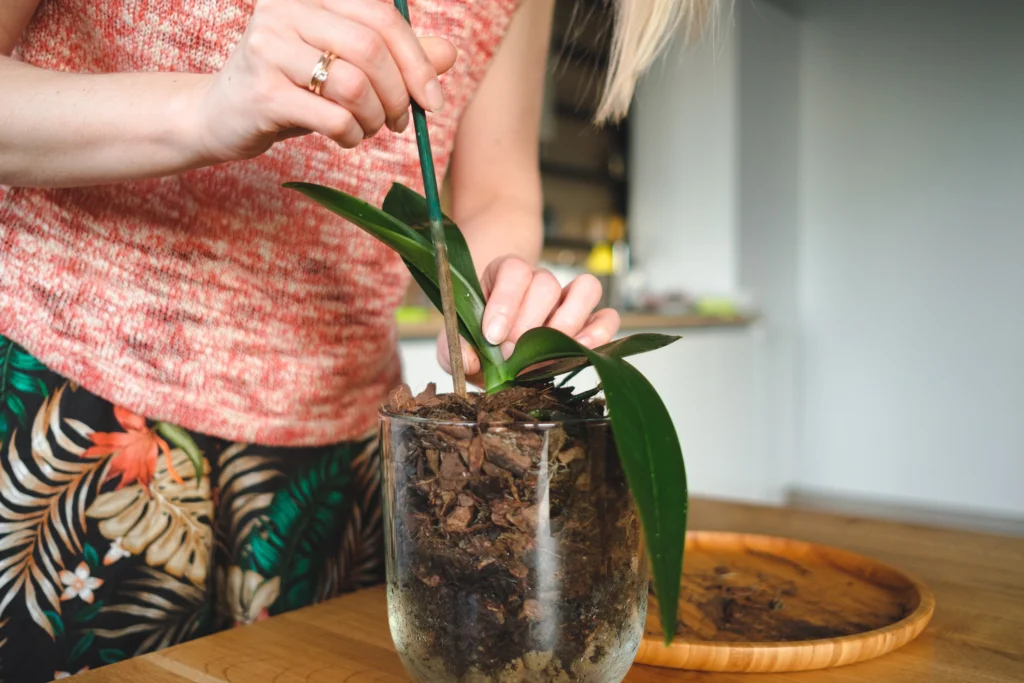
Yellow leaves are the most common symptom and the most misread. People often assume yellow means thirst. In winter, yellow leaves — especially when widespread and on multiple parts of the plant — almost always indicate too much water.
Soft, translucent stems near the soil line are a red flag. Healthy stems are firm. When they start to feel mushy or collapse slightly under pressure, root rot has likely already begun.
A sour or musty smell from the soil is the clearest sign of root rot in progress. Healthy soil doesn’t smell bad. If you water and something smells off, let the pot dry significantly before touching it again — and consider repotting to check the roots.
Soil that stays wet for more than 10–14 days in winter is a warning sign on its own. If the soil hasn’t dried to two inches depth after two weeks, your drainage, soil mix, or watering volume needs adjusting.
Fungus gnats love consistently moist soil. If you suddenly notice tiny flies hovering around your pots in winter, soggy soil is almost certainly the cause.
Common Winter Watering Mistakes
Sticking to the summer schedule. Many people water weekly because that worked from April through September. Those same plants in winter often need watering every two to four weeks. The schedule that kept plants thriving in summer will kill them in winter.
Ignoring drainage. If your pot has no drainage hole, or if the saucer is left sitting full of water, excess moisture has nowhere to go. In summer, faster evaporation compensates. In winter, water sits and stagnates. Always empty saucers after watering.
Using heavy, dense soil. A rich, heavy potting mix retains water much longer than a loose, well-draining blend. In winter, the difference between the two can mean weeks of excess moisture. Mixing perlite or coarse sand into heavy soil before winter repots makes a real difference.
Over-misting. Misting is often recommended for humidity, but spraying directly onto leaves in cold, poorly ventilated rooms in winter creates conditions for fungal leaf spot. Use a tray with pebbles and water instead, or run a small humidifier nearby.
Guessing instead of testing. The most common mistake of all. Watering because it “seems about right” or because you last watered two weeks ago is how plants get killed. Always physically test the soil.
Environmental Factors That Change Watering Frequency
Watering Based on Heating Type
How your home is heated matters more than people realize.
Central forced-air heating creates very dry air but maintains relatively stable temperatures. Plants dry out on the surface quickly but stay moist deeper in the pot. Check moisture at depth, not the surface.
Gas heaters and radiators tend to heat unevenly, with plants nearest the heat source drying faster. Plants placed directly beside a radiator may need watering more often than plants across the room — though ideally you’d move them away to avoid heat stress.
Electric panel heaters produce gentle, consistent warmth. Plants in these environments tend to have more predictable moisture cycles, making it slightly easier to establish a loose routine — though you should still always test before watering.
Homes with humidifiers running during winter experience slower evaporation and slightly higher transpiration rates. The two effects partially cancel out, but overall, plants in humid homes tend to need watering at roughly the same frequency as those in dry homes — the main benefit of the humidifier is healthier foliage, not faster soil drying.
Cold climates vs. milder ones also play a role. In genuinely cold northern homes where the indoor temperature drops significantly at night or in unheated rooms, soil moisture retention increases substantially. A plant in a 60°F room will need watering far less frequently than the same plant in a 72°F room.
If your home has significant temperature variation between rooms, check plants in each location independently rather than applying one blanket schedule.
Helpful Tools to Prevent Overwatering
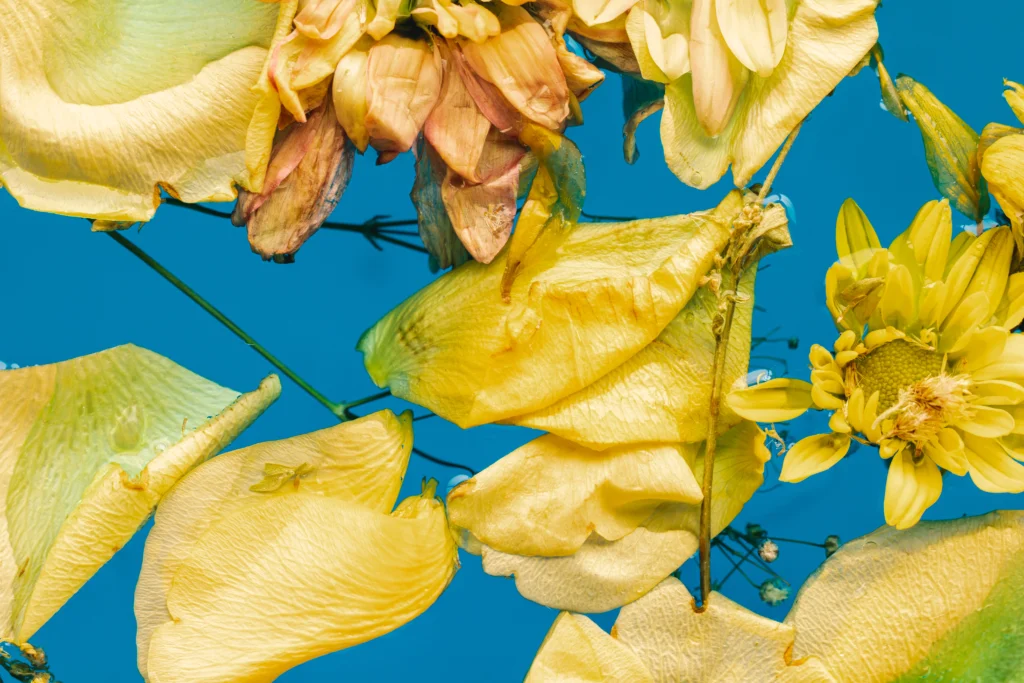
Moisture meters are worth every cent. Basic models are inexpensive and eliminate the need for guesswork entirely. Push the probe into the soil and read the dial — no ambiguity. Particularly useful for large pots and plants like monsteras where the soil depth makes surface checks unreliable.
Self-watering pots with a reservoir at the bottom work well for certain plants (pothos, peace lilies) but should be used cautiously with drought-tolerant species in winter. The reservoir keeps soil consistently moist, which suits some plants but can be too wet for others in the slower winter season.
Indoor humidity monitors (hygrometers) help you understand the actual moisture levels in your home. Knowing that your room is at 25% humidity explains why leaves are browning at the tips — and why the answer is a humidity tray, not more watering.
A well-draining potting mix is one of the most important tools of all. For most houseplants, mixing standard potting soil with 20–30% perlite creates a mix that retains enough moisture without waterlogging. For succulents and cacti, increase the perlite or use a dedicated cactus mix entirely.
Winter Indoor Plant Care Checklist
- Cut back watering frequency to every 2–4 weeks depending on the plant type, and always check soil before watering
- Stop or significantly reduce fertilizing from November through February
- Increase humidity through pebble trays, grouping plants together, or using a small humidifier
- Move plants closer to windows to compensate for reduced light intensity in winter
- Avoid placing plants directly above radiators or heating vents where heat stress can mimic drought stress
- Check all pots weekly — not to water, but to observe and feel the soil
- Empty saucers after watering to prevent plants sitting in stagnant water
Frequently Asked Questions
Do indoor plants need less water in winter? Yes, in almost all cases. Reduced light, slower growth, lower temperatures, and reduced metabolic activity all combine to slow how quickly plants absorb and use water. Most houseplants need roughly half as much water in winter as they do in summer.
Can you overwater indoor plants in winter? Absolutely, and it’s the most common mistake made during the season. Because soil dries much more slowly in winter, watering on a summer schedule or watering before the soil has dried out results in consistently waterlogged roots, which leads to root rot.
How do I know if my plant needs water? Push your finger two inches into the soil. For most tropical plants, wait until it’s dry at that depth. For succulents and drought-tolerant plants, wait until the entire pot feels dry and lightweight. Never rely on the surface alone — it dries much faster than the root zone.
How long does soil take to dry out in winter? Depending on the pot size, soil type, room temperature, and plant species, most indoor pots take anywhere from 10 days to 3 weeks to dry sufficiently between waterings in winter. Large pots and heavy soil mixes take the longest.
How often should I water succulents indoors in winter? Most succulents need watering just once every 4–6 weeks in winter, or less. In dark, cold rooms they may need virtually no water at all until spring. Always check that the soil is completely dry before watering.
Should I mist my plants in winter? Misting isn’t the most effective way to raise humidity, and in cold rooms with limited airflow it can encourage fungal problems on leaves. A pebble tray with water, grouping plants together, or running a humidifier nearby are all better options for boosting humidity without wetting foliage.
What is the best winter watering schedule? There’s no universal schedule — the best approach is a weekly check-in where you assess each plant individually. Feel the soil, lift the pot, and observe the leaves. Water only when the soil at depth is dry. For most tropical plants, this ends up being roughly every 2–3 weeks; for succulents and hardy foliage plants, every 3–5 weeks or longer.
People Also Ask — Indoor Plant Winter Watering
Four high-intent PAA questions, written for featured snippet targeting. Each answer is direct, concise at the top (snippet bait), then expanded naturally for depth and topical authority.
Should You Water Indoor Plants in Winter?
Yes — but far less frequently than in spring or summer. Indoor plants don’t stop needing water entirely in winter, but their water requirements drop significantly because growth slows, light intensity decreases, and cooler temperatures mean soil takes much longer to dry out.
The real question isn’t whether to water but when. Most houseplants in winter need watering only every two to four weeks, compared to every seven to ten days during active growing season. The safest approach is to ignore the calendar entirely and check the soil directly before every watering session.
Push your finger about two inches into the potting mix. If there’s any moisture at that depth, wait. If it’s completely dry — and the pot feels noticeably lighter than it did right after the last watering — it’s time. This simple habit alone prevents the vast majority of winter plant losses caused by overwatering.
One exception worth knowing: if your home is unusually warm and well-lit during winter, plants near a south-facing window or under grow lights may need water slightly more often than the general guideline suggests. Environment always trumps the calendar.
How Often Should I Give Water to Indoor Plants?
In winter, most indoor plants should be watered every 2–4 weeks depending on the plant type, pot size, soil mix, and how warm your home is. In summer, that same plant might need water every 7–10 days.
Here’s a quick breakdown by plant category:
- Tropical plants (pothos, monsteras, philodendrons): every 2–3 weeks in winter
- Hardy foliage plants (snake plant, ZZ plant): every 3–5 weeks in winter
- Succulents and cacti: every 4–6 weeks in winter, sometimes less
- Peace lily, calathea: every 10–14 days, but always check the soil first
Outside of winter, frequency increases as light levels rise and active growth returns. A pothos that needed water every three weeks in January may need water every eight to ten days by late April.
The single most reliable approach across all seasons is to check before you water, every time. No app, no schedule, and no rule of thumb is more accurate than the finger test or a basic moisture meter. Plants don’t follow calendars — they respond to their environment.
How Do I Keep My Indoor Plants Alive During Winter?
Winter plant care comes down to five things: less water, less fertilizer, more light, better humidity, and avoiding heat stress. Get those five right and most houseplants sail through the cold months without issue.
Water less, but smarter. The number one cause of winter plant death is overwatering. Cut your watering frequency roughly in half compared to summer and always check the soil before adding more water. When in doubt, wait another few days.
Stop feeding. Most houseplants don’t need fertilizer from November through February. Without active growth, nutrients build up in the soil as salts rather than being absorbed, which can burn roots and add stress to an already slow system. Resume feeding in late February or March when you start to see new growth.
Chase the light. Winter sun is weaker and the days are shorter. Move plants closer to your brightest windows — ideally south- or east-facing — and clean the glass, which is often overlooked. Even a thin film of dust or condensation on the inside of a window reduces light transmission noticeably.
Raise humidity without raising moisture in the pot. Central heating drops indoor humidity to levels that stress tropical plants. Group plants together so they share transpired moisture, set pots on a tray filled with pebbles and water (making sure the pot base sits above the waterline, not in it), or run a small cool-mist humidifier nearby. Resist the urge to mist leaves directly in cold rooms — it can promote fungal issues without meaningfully improving humidity.
Keep plants away from cold drafts and direct heat. A plant sitting on a windowsill in a cold climate may have its roots at near-freezing temperatures even if the room feels warm. Similarly, a plant positioned directly above a radiator will experience rapid soil drying and leaf scorch. Find spots that are bright, reasonably stable in temperature, and away from both extremes.
Follow those five principles and most indoor plants — even tropical varieties that seem delicate — will hold their own until spring.
Do Plants Still Need Water in the Winter?
Yes, plants still need water in winter — they just need considerably less of it. Even dormant or semi-dormant plants maintain basic cellular functions that require some moisture. Completely withholding water for months on end will kill most houseplants just as surely as overwatering them.
The distinction is between plants that go fully dormant and those that simply slow down. True full dormancy is rare among common houseplants. Most tropical species — pothos, monsteras, snake plants, peace lilies — don’t go fully dormant indoors. They slow their growth substantially but continue photosynthesizing on a reduced schedule and still need occasional watering.
The plants that come closest to true dormancy indoors are desert cacti and some succulent species. These can go six to eight weeks (or even longer in very cold, dark conditions) between waterings without any harm. In fact, giving them a dry rest period through winter mimics their natural environment and can actually improve flowering the following season.
For everything else, the approach is simple: water when the soil is dry, use less water per session than you would in summer, and make sure excess water drains freely from the pot. Winter isn’t a season to stop caring for your plants — it’s a season to care for them differently.
Related Resources & References
For further guidance on indoor plant care, check out these helpful resources:
- Beginner-Friendly Indoor Houseplants: Learn about easy-to-care plants for beginners in our guide: 7 Common Indoor House Plants: Easy Guide for Beginners
- Indoor Plant Care for Beginners: Discover 7 unkillable plants that thrive in low light: How to Take Care of Indoor Plants for Beginners
Trusted External References:
- Royal Horticultural Society: Detailed guidance on houseplant winter care – RHS Houseplants Advice
- University of Minnesota Extension: Expert tips on indoor plant watering and care – UMN Extension Houseplants
Disclaimer
The information provided in this article is for educational and informational purposes only.
While we strive to provide accurate guidance on indoor plant care and watering schedules,
individual plant needs may vary based on species, indoor conditions, and environmental factors.
Readers should monitor their own plants and adjust care as necessary. The author is not responsible
for any plant damage or loss.
Image Credits
All images used in this article are sourced from Freepik and are free for commercial use
or properly attributed according to Freepik’s license.
Source: www.freepik.com