Houseplants Safe for Cats: The Complete Non-Toxic Indoor Plant Guide for Pet Owners
Introduction
When my tabby Luna knocked over my new peace lily last spring, I didn’t realize I was seconds away from a vet emergency. Thankfully, a quick Google search revealed the danger before she took a bite—but that moment changed how I approach indoor gardening forever.
If you’re a cat parent who loves greenery, you’ve probably faced this dilemma: beautiful houseplants that could harm your curious feline, or a plant-free home that feels incomplete. The good news? You don’t have to choose between your love for plants and your pet’s safety.
This comprehensive guide covers everything you need to know about houseplants safe for cats—from spider plants to Boston ferns—so you can create a lush, pet-friendly indoor jungle without worry. Whether you’re dealing with limited natural light, looking for hanging options, or simply want beginner-friendly choices, we’ve got you covered with 21 vet-approved plants that won’t harm your furry friend.
Let’s transform your space into a green sanctuary where both you and your cat can thrive.
Why Choosing Houseplants Safe for Cats Is Important
Understanding Feline Plant Curiosity
Cats aren’t just randomly destructive when they nibble on your fiddle leaf fig—there’s actual science behind this behavior. In the wild, cats instinctively eat grass and certain plants to aid digestion, induce vomiting when needed, or simply supplement their diet with trace nutrients. Indoor cats retain these instincts, which explains why your calico keeps attacking your pothos vine.
The problem? Your cat can’t distinguish between safe grass and toxic ornamental plants. To them, those swaying Boston fern fronds look just as appealing as a dangerous lily leaf.
How Plant Toxicity Affects Cats
Plant toxins affect cats differently than humans. When a cat ingests toxic foliage, the consequences range from mild stomach upset to severe organ damage depending on the plant species and amount consumed.
Common toxic compounds in houseplants include:
- Calcium oxalate crystals (found in philodendrons, pothos)
- Cardiac glycosides (present in oleander, foxglove)
- Saponins (common in snake plants, yucca)
- Alkaloids (found in certain lilies, daffodils)
These compounds can irritate your cat’s mouth, throat, and digestive system. More dangerous plants contain substances that affect the heart, kidneys, or nervous system—sometimes with fatal results.
Recognizing Plant Poisoning Symptoms
Early detection can save your cat’s life. Watch for these warning signs after suspected plant ingestion:
- Excessive drooling or foaming at the mouth
- Vomiting or diarrhea
- Loss of appetite or difficulty swallowing
- Pawing at the mouth or face
- Lethargy or unusual hiding behavior
- Difficulty breathing or rapid breathing
- Tremors, seizures, or disorientation
- Changes in urination patterns
Critical: Some symptoms appear within minutes, while others take hours or even days to manifest. Lilies, for instance, can cause kidney failure 24-72 hours after ingestion with minimal early symptoms.
When to Seek Emergency Veterinary Help
Don’t wait for symptoms to worsen. Contact your veterinarian or the ASPCA Animal Poison Control Center (888-426-4435) immediately if:
- Your cat has chewed any part of a lily
- You witness your cat eating an unknown plant
- Multiple symptoms appear simultaneously
- Your cat shows difficulty breathing
- Seizures or collapse occurs
Bring a sample of the plant or a clear photo to help your vet identify the toxin and provide appropriate treatment. Time matters—early intervention dramatically improves outcomes.
How to Identify Non-Toxic Plants for Cats
Checking Plant Safety Before Purchase
Before bringing any plant home, take these verification steps:
Use reliable databases:
- ASPCA’s Toxic and Non-Toxic Plant List (most comprehensive)
- Pet Poison Helpline plant database
- University veterinary school resources
Research the botanical name, not just the common name. “Lucky bamboo” isn’t actually bamboo—it’s Dracaena sanderiana, which is toxic to cats. Real bamboo (Bambusoideae family) is perfectly safe.
Ask nursery staff specifically about pet safety, but verify their information independently. Not all garden center employees are trained in pet toxicity.
Understanding Toxicity Levels: The Safety Scale
Not all plant reactions are created equal. Here’s a practical severity system:
Level 0 – Completely Non-Toxic Safe for cats to chew without any harmful effects. Examples include spider plants, Boston ferns, and most true palms. While you might not want your cat treating these as salad bars, they won’t cause medical harm.
Level 1 – Mild Irritation Risk May cause temporary mouth discomfort, minor stomach upset, or excessive drooling, but typically resolves without veterinary intervention. Examples include certain succulents like Christmas cactus.
Level 2 – Avoid Completely Contains compounds that can cause serious illness or death. This includes lilies, sago palms, dieffenbachia, and oleander. These should never be in a home with cats—period.
Decoding Plant Labels Correctly
Nursery tags often lack pet safety information. Here’s what to look for:
- “Safe for pets” or “pet-friendly” – Generally reliable for cat safety
- “Non-toxic” – Verify which animals this applies to (sometimes means humans only)
- Warnings about skin irritation – Usually indicates pet toxicity as well
- No label at all – Research thoroughly before purchasing
If a plant’s tag mentions keeping away from children, exercise extra caution with cats. Plants that irritate human skin often contain compounds toxic when ingested by animals.
Emergency Resources to Save Now
Add these contacts to your phone before you need them:
- ASPCA Animal Poison Control: 888-426-4435 (consultation fee applies)
- Pet Poison Helpline: 855-764-7661 (consultation fee applies)
- Your veterinarian’s after-hours emergency number
- Nearest 24-hour emergency vet clinic
Taking five minutes to save these numbers could save your cat’s life during a crisis when you’re too panicked to search online.
21 Best Houseplants Safe for Cats (Complete List)
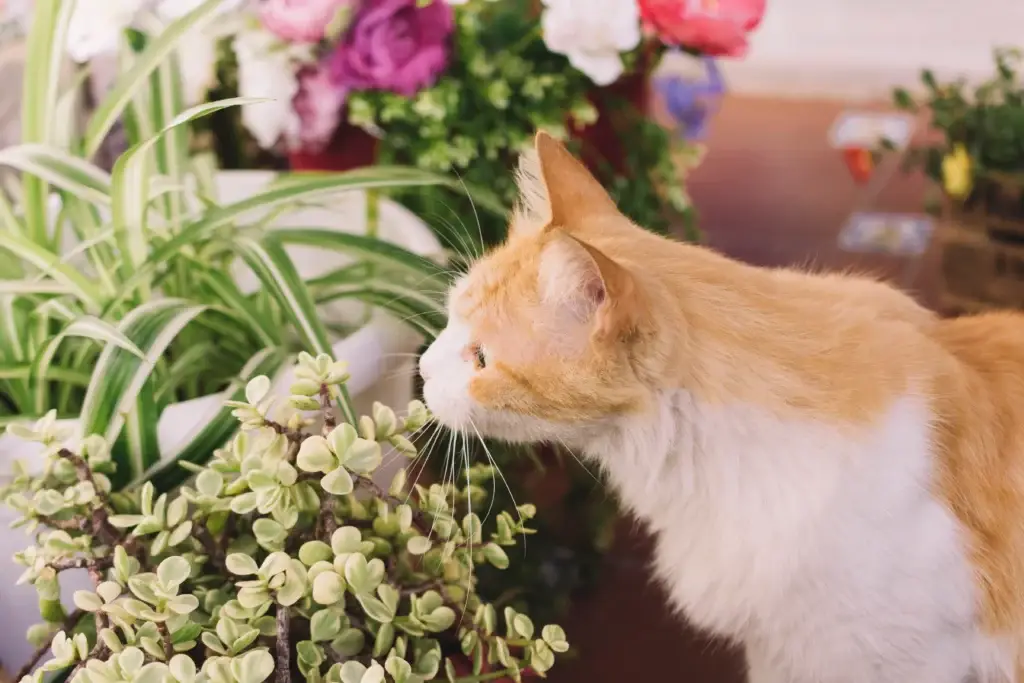
1. Spider Plant (Chlorophytum comosum)
Light Requirements: Bright indirect to moderate light
Care Difficulty: Beginner-friendly
Why It’s Safe: Completely non-toxic; cats often enjoy batting the dangling offshoots
Ideal Placement: Hanging baskets, high shelves
Spider plants are practically indestructible and produce adorable “spiderettes” that cascade beautifully. While cats love playing with the trailing leaves, this plant poses zero health risk—making it the perfect starter plant for new cat owners.
2. Boston Fern (Nephrolepis exaltata)
Light Requirements: Bright indirect light
Care Difficulty: Moderate (needs humidity)
Why It’s Safe: Non-toxic and safe if nibbled
Ideal Placement: Bathrooms, hanging planters
These lush, feathery ferns add Victorian elegance to any room. They thrive in humid environments, making bathrooms ideal. While they require consistent moisture, they’re completely safe for curious cats who love batting those delicate fronds.
3. Areca Palm (Dypsis lutescens)
Light Requirements: Bright indirect light
Care Difficulty: Easy to moderate
Why It’s Safe: True palm; completely cat-safe
Ideal Placement: Living rooms, bright corners
Also called butterfly palm, this graceful tropical plant brings a vacation vibe indoors. Unlike sago palms (which are deadly), true palms like areca are perfectly safe for feline companions.
4. Parlor Palm (Chamaedorea elegans)
Light Requirements: Low to bright indirect light
Care Difficulty: Very easy
Why It’s Safe: Non-toxic palm variety
Ideal Placement: Low-light offices, apartments
This compact palm thrives in lower light conditions where many plants struggle. It’s forgiving of neglect and safe for cats, making it ideal for busy pet owners or dimmer spaces.
5. Calathea (Calathea species)
Light Requirements: Low to moderate indirect light
Care Difficulty: Moderate
Why It’s Safe: No toxic compounds
Ideal Placement: Shelves, plant stands away from direct sun
Known as “prayer plants” for their leaves that fold at night, calatheas offer stunning patterned foliage. While they prefer humidity, they’re worth the effort for their pet-safe, artistic leaves.
6. Rattlesnake Plant (Calathea lancifolia)
Light Requirements: Low to moderate indirect light
Care Difficulty: Moderate
Why It’s Safe: Part of the non-toxic Calathea family
Ideal Placement: Bedrooms, indirect light areas
This calathea variety features wavy-edged leaves with dark green patterns. Like other calatheas, it’s completely safe for cats and adds movement to your space as leaves shift throughout the day.
7. Bamboo Palm (Chamaedorea seifrizii)
Light Requirements: Bright indirect light
Care Difficulty: Easy
Why It’s Safe: True palm species
Ideal Placement: Floor plants in living areas
Don’t confuse this with “lucky bamboo” (which is toxic). Bamboo palms are genuine palms that purify air while remaining safe for pets. They grow large, making a statement in spacious rooms.
8. African Violet (Saintpaulia)
Light Requirements: Bright indirect light
Care Difficulty: Moderate
Why It’s Safe: Non-toxic flowering plant
Ideal Placement: Windowsills, countertops
These charming flowering plants bloom year-round with proper care. They’re one of the few cat-safe plants that produce colorful flowers, adding pops of purple, pink, or white to pet-friendly homes.
9. Christmas Cactus (Schlumbergera bridgesii)
Light Requirements: Bright indirect light
Care Difficulty: Easy
Why It’s Safe: Non-toxic succulent
Ideal Placement: Hanging baskets, shelves
Unlike many succulents, Christmas cacti are safe for cats. They produce beautiful tubular flowers during the holidays and require minimal maintenance—just occasional watering.
10. Peperomia (Peperomia species)
Light Requirements: Low to bright indirect light
Care Difficulty: Very easy
Why It’s Safe: All varieties are non-toxic
Ideal Placement: Desks, small spaces, terrariums
With over 1,000 species, peperomias offer incredible variety in leaf shapes, colors, and textures. These compact plants are perfect for apartments and require infrequent watering.
11. Friendship Plant (Pilea involucrata)
Light Requirements: Bright indirect light
Care Difficulty: Easy
Why It’s Safe: Non-toxic Pilea family member
Ideal Placement: Tabletops, small planters
This textured beauty features quilted leaves and stays compact. It propagates easily, letting you share “friendship” cuttings with fellow cat-loving plant enthusiasts.
12. Money Tree (Pachira aquatica)
Light Requirements: Bright indirect light
Care Difficulty: Easy
Why It’s Safe: Non-toxic braided trunk plant
Ideal Placement: Corners, entryways
Often sold with braided trunks, money trees bring good fortune (and pet safety) to your home. They tolerate occasional neglect and adapt well to indoor conditions.
13. Polka Dot Plant (Hypoestes phyllostachya)
Light Requirements: Bright indirect light
Care Difficulty: Easy
Why It’s Safe: Completely non-toxic
Ideal Placement: Bright shelves, colorful displays
These vibrant plants feature spotted leaves in pink, red, or white against green backgrounds. They’re safe for cats and add a playful pop of color to any room.
14. Air Plants (Tillandsia species)
Light Requirements: Bright indirect light
Care Difficulty: Easy (just weekly soaking)
Why It’s Safe: Non-toxic, soil-free plants
Ideal Placement: Hanging displays, terrariums, creative holders
Air plants don’t need soil, making them perfect for creative displays. They’re entirely cat-safe and require only weekly water baths. Just keep them where cats can’t knock them down.
15. Swedish Ivy (Plectranthus verticillatus)
Light Requirements: Moderate to bright indirect light
Care Difficulty: Very easy
Why It’s Safe: Non-toxic trailing plant
Ideal Placement: Hanging baskets, high shelves
Despite its name, this plant isn’t ivy at all. True ivies are toxic, but Swedish ivy is perfectly safe and produces cascading vines that cats may bat at harmlessly.
16. Baby Tears (Soleirolia soleirolii)
Light Requirements: Moderate indirect light
Care Difficulty: Moderate (needs consistent moisture)
Why It’s Safe: Non-toxic ground cover
Ideal Placement: Terrariums, shallow dishes
This delicate plant creates a carpet of tiny leaves. It loves humidity and works beautifully in terrariums where cats can’t easily access it, though it’s safe if they do.
17. Mosaic Plant (Fittonia albivenis)
Light Requirements: Low to moderate indirect light
Care Difficulty: Moderate
Why It’s Safe: Non-toxic nerve plant
Ideal Placement: Bathrooms, terrariums
Also called nerve plant, fittonia displays intricate vein patterns in pink, red, or white. It’s dramatic, safe, and thrives in the humidity that bathrooms provide.
18. Haworthia (Haworthia species)
Light Requirements: Bright indirect light
Care Difficulty: Very easy
Why It’s Safe: Non-toxic succulent
Ideal Placement: Sunny windowsills, small pots
These small succulents resemble tiny aloe plants but are safe for cats. They’re drought-tolerant, compact, and perfect for beginners who want pet-friendly succulents.
19. Ponytail Palm (Beaucarnea recurvata)
Light Requirements: Bright light
Care Difficulty: Very easy
Why It’s Safe: Non-toxic, unique appearance
Ideal Placement: Bright corners, floor planters
With its swollen trunk and cascading leaves, the ponytail palm (not a true palm) makes a sculptural statement. It stores water in its base, requiring minimal care while remaining cat-safe.
20. Burro’s Tail (Sedum morganianum)
Light Requirements: Bright indirect to direct light
Care Difficulty: Easy
Why It’s Safe: Non-toxic trailing succulent
Ideal Placement: High hanging baskets (to prevent breakage)
Those trailing stems of plump, overlapping leaves are irresistible—to both humans and cats. While safe if nibbled, the fragile leaves break easily, so place these high enough to avoid daily cat interactions.
21. True Bamboo (Bambusoideae family)
Light Requirements: Bright indirect light
Care Difficulty: Easy
Why It’s Safe: Authentic bamboo, not toxic Dracaena
Ideal Placement: Floor planters, room dividers
Real bamboo (not “lucky bamboo”) is safe for cats. It grows quickly and creates privacy screens. Ensure you’re buying genuine bamboo, not the toxic Dracaena commonly mislabeled as bamboo.
Low Light Houseplants Safe for Cats
Not everyone has sun-drenched windows, but that doesn’t mean you can’t have greenery. These pet-safe plants thrive in dimmer conditions:
Best Low-Light Options:
- Parlor Palm – Adapts to shadier corners while staying lush
- Calathea varieties – Prefer low to moderate light; direct sun damages their leaves
- Peperomia – Tolerates lower light better than most houseplants
- Boston Fern – Handles indirect light in bathrooms or north-facing rooms
- Mosaic Plant (Fittonia) – Actually prefers shade and thrives in low-light terrariums
Care Tips for Low-Light Environments:
- Reduce watering frequency (less light = slower growth = less water needed)
- Rotate plants monthly for even growth
- Clean leaves regularly to maximize photosynthesis
- Avoid fertilizing heavily; low light means slower nutrient uptake
- Watch for leggy growth indicating the plant needs slightly more light
Budget-Friendly Choices:
Spider plants and pothos alternatives like Swedish ivy cost under $10 at most garden centers. Peperomias are equally affordable and come in countless varieties to keep your collection interesting without breaking the bank.
Hanging Plants Safe for Cats
Hanging planters serve double duty: they look gorgeous and keep curious paws away from delicate foliage. These trailing beauties are both safe and stunning:
Top Trailing Cat-Safe Plants:
- Spider Plant – Classic choice with cascading offshoots
- Boston Fern – Victorian elegance with arching fronds
- Swedish Ivy – Fast-growing vines that drape beautifully
- Burro’s Tail – Succulent trails with plump, beaded leaves
- Christmas Cactus – Flowering succulent with arching stems
Hanging Basket Considerations:
- Weight capacity: Ensure your ceiling hook supports the plant plus wet soil weight
- Water drainage: Use saucers or self-watering inserts to prevent drips
- Maintenance access: Hang at a height you can reach for watering without a ladder
- Cat jumping zones: Even hanging plants should be high enough that cats can’t leap onto them
Decorative Yet Safe Options:
Macramé hangers add bohemian charm while keeping plants elevated. Choose natural cotton or jute that won’t irritate cats if they rub against it. Ceramic or lightweight plastic pots work better than heavy terracotta, which could cause injury if knocked down.
Air Purifying Plants Safe for Cats
Many “air-purifying” plants like snake plants and pothos are unfortunately toxic to cats. Luckily, these alternatives clean your indoor air without endangering your pets:
Best Air-Cleaning Cat-Safe Plants:
- Areca Palm – NASA-approved air purifier that removes formaldehyde and xylene
- Bamboo Palm – Filters benzene, formaldehyde, and trichloroethylene
- Boston Fern – Natural humidifier that removes formaldehyde
- Spider Plant – Removes carbon monoxide and xylene
- Money Tree – Purifies air while adding humidity
Important Reality Check:
While these plants do filter air on a molecular level, you’d need dozens of them to match a single air purifier’s effectiveness. Think of them as supplementary air quality boosters that also happen to look beautiful—not replacements for proper ventilation or HEPA filtration.
Safe for Both Cats and Dogs:
All plants listed in this guide are safe for both felines and canines. However, dogs tend to dig in soil, so consider top-dressing with decorative stones to discourage digging behavior while maintaining pet safety.
Small Space Solutions:
For apartments, focus on compact air purifiers like spider plants and peperomias that pack cleaning power into petite packages. Three to five small plants distributed throughout a room provide more benefit than one large plant in a corner.
Toxic Houseplants to Avoid (Comparison Section)
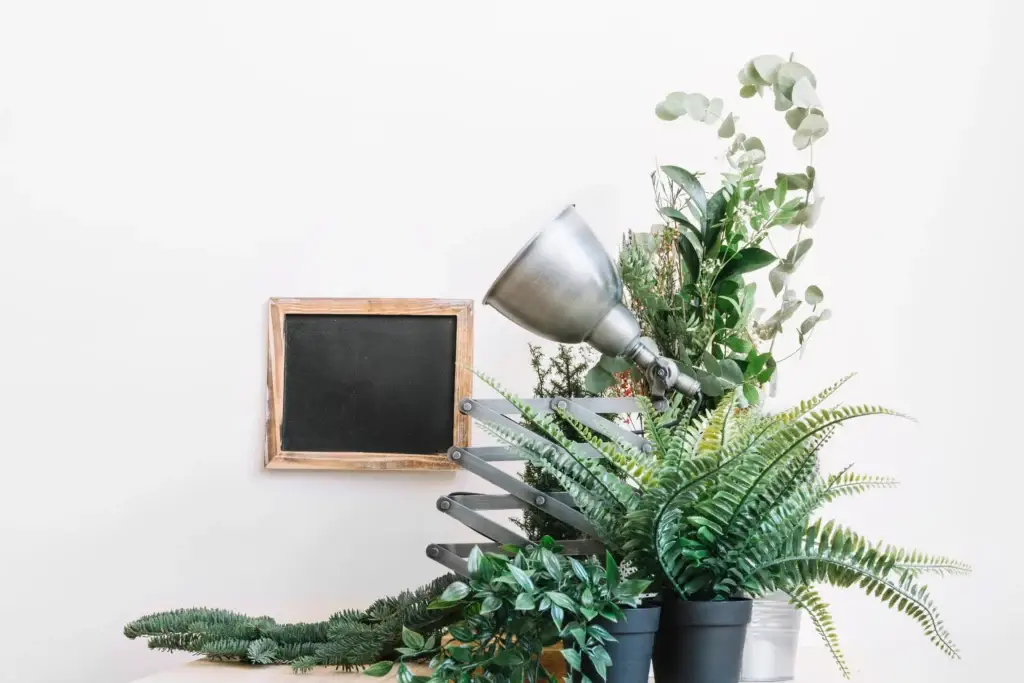
Knowing which plants are dangerous is equally important as knowing the safe ones. Many popular houseplants pose serious risks:
Common Toxic Plants Many People Own
Extremely Dangerous (Level 2 – Avoid Completely):
- Lilies (any variety) – Even pollen causes kidney failure in cats
- Sago Palm – Lethal; causes liver failure
- Dieffenbachia – Calcium oxalate crystals cause severe mouth/throat swelling
- Oleander – Cardiac toxin; potentially fatal
- Pothos – Causes mouth pain, drooling, vomiting
- Philodendron – Similar toxicity to pothos
- Snake Plant – Causes nausea, vomiting, diarrhea
- Jade Plant – Induces vomiting, depression, incoordination
Moderately Dangerous (Level 1 – Exercise Caution):
- Aloe Vera – Causes vomiting, diarrhea, lethargy
- English Ivy – Digestive upset, drooling
- Dracaena – Vomiting, dilated pupils, increased heart rate
Quick Comparison Table: Safe vs. Toxic Look-Alikes
| Safe Plant | Toxic Look-Alike | Key Difference |
|---|---|---|
| True Bamboo (Bambusoideae) | Lucky Bamboo (Dracaena) | True bamboo has hollow stems; Dracaena is solid |
| Areca Palm | Sago Palm | Areca has feather-like fronds; Sago has stiff, spiky leaves |
| Swedish Ivy | English Ivy | Swedish ivy has rounded leaves; English ivy has pointed lobes |
| Christmas Cactus | Pencil Cactus (Euphorbia) | Christmas cactus has flat, segmented stems; pencil cactus is stick-like |
| Haworthia Succulent | Aloe Vera | Haworthia has white bumps on leaves; aloe is smooth |
What Makes These Plants Toxic?
Different plants contain different harmful compounds:
- Lilies: Nephrotoxic compounds damage kidneys irreversibly
- Sago Palms: Cycasin causes vomiting, liver failure, and death
- Pothos/Philodendron: Insoluble calcium oxalate crystals cause immediate pain
- Snake Plants: Saponins irritate the digestive system
Even a small nibble of certain plants (particularly lilies) can be fatal. When in doubt, keep it out of your cat’s environment entirely.
How to Stop Cats From Eating Indoor Plants
Even with safe plants, constant nibbling damages your greenery. Here’s how to redirect your cat’s botanical interests:
Cat Enrichment Alternatives
Provide approved plants for munching:
- Cat grass (wheat, oat, or barley grass) – Grow in designated pots
- Cat thyme – Safe alternative to catnip
- Valerian – Another cat-attractant herb
- Spider plant leaves – Let them enjoy the safe offshoots
Having designated “yes” plants helps cats understand which greenery is theirs versus yours.
Strategic Placement Solutions
Physical barriers work wonders:
- Place plants on high shelves cats can’t reach
- Use closed terrariums for delicate species
- Create plant stands behind furniture
- Hang plants from ceiling hooks
- Designate one cat-free room for plants
Create vertical territory:
Install cat shelves and trees to redirect climbing energy. Cats often target plants out of boredom or because they want vertical space.
Safe Deterrent Methods
Natural repellents cats dislike:
- Citrus peels – Place around plant bases
- Aluminum foil – Crinkly texture deters digging
- Double-sided tape – Cats hate sticky paws
- Pinecones or river rocks – Top-dress soil to prevent digging
- Motion-activated air sprays – Startle without harm
What NOT to use:
Avoid essential oils (many are toxic to cats), mothballs (toxic), and any physical punishment, which damages your bond without solving the behavior.
Cat-Proofing Your Indoor Garden
Training techniques that work:
- Redirect immediately: When you catch your cat approaching plants, redirect to cat grass
- Positive reinforcement: Reward your cat for ignoring plants or using cat grass
- Environmental enrichment: Ensure adequate play, climbing, and hunting outlets
- Consistency: Everyone in the household must enforce the same rules
Underlying causes to address:
- Dietary deficiency: Consider adding digestive supplements or fiber
- Boredom: Increase interactive play sessions
- Stress: Identify and reduce environmental stressors
- Habit: Consistent redirection breaks established patterns
Printable Non-Toxic Plant Checklist
Creating a quick-reference guide makes shopping for cat-safe plants effortless. Here’s what to include in your printable checklist:
Shopping List Format:
✅ Definitely Safe (Level 0):
- Spider Plant
- Boston Fern
- Areca Palm
- Parlor Palm
- Calathea varieties
- African Violet
- Peperomia
- Money Tree
- Air Plants
✅ Safe with Placement Considerations:
- Burro’s Tail (fragile)
- Ponytail Palm (prefers brighter light)
❌ Never Bring Home:
- Any lily variety
- Pothos
- Snake Plant
- Sago Palm
- Philodendron
Emergency Contact Section:
Include spaces for:
- Your veterinarian’s phone number
- After-hours emergency clinic
- ASPCA Poison Control: 888-426-4435
- Pet Poison Helpline: 855-764-7661
Before You Buy Checklist:
□ Verified botanical name against ASPCA database
□ Confirmed light requirements match your space
□ Assessed care difficulty level
□ Planned placement away from cat’s favorite spots
□ Purchased cat grass as alternative
Print this list and keep it in your phone or wallet for reference during nursery trips. Taking five minutes to verify safety prevents potential emergencies.
Comparison Table: Safe vs. Toxic Plants at a Glance
| Plant Category | Safe Options | Toxic Options to Avoid |
|---|---|---|
| Palms | Areca Palm, Parlor Palm, Bamboo Palm | Sago Palm |
| Ferns | Boston Fern, Maidenhair Fern | Asparagus Fern |
| Trailing Plants | Spider Plant, Swedish Ivy, Burro’s Tail | Pothos, Philodendron, English Ivy |
| Succulents | Christmas Cactus, Haworthia, Burro’s Tail | Snake Plant, Aloe Vera, Jade Plant |
| Flowering Plants | African Violet, Christmas Cactus | Peace Lily, Easter Lily, Chrysanthemum |
| Colorful Foliage | Polka Dot Plant, Calathea, Mosaic Plant | Croton, Dumb Cane, Caladium |
Frequently Asked Questions
1. What houseplants are completely safe for cats?
Spider plants, Boston ferns, areca palms, parlor palms, calatheas, African violets, peperomias, money trees, Christmas cacti, and air plants are all completely non-toxic to cats. These plants won’t cause harm even if your cat chews on them, though you may still want to discourage the behavior to protect your plants from damage.
2. Are snake plants toxic to cats?
Yes, snake plants (Sansevieria) are toxic to cats. They contain saponins that cause nausea, vomiting, and diarrhea when ingested. While rarely fatal, snake plants can make cats quite uncomfortable and require veterinary attention. Replace them with safe alternatives like spider plants or parlor palms that offer similar upright foliage without the risk.
3. Are lilies dangerous for indoor cats?
Lilies are extremely dangerous for cats—even deadly. All parts of true lilies (Easter lilies, tiger lilies, Asiatic lilies, day lilies) are nephrotoxic, meaning they cause acute kidney failure. Even small exposures like licking pollen off fur or drinking water from a vase can be fatal. If your cat has any contact with lilies, seek emergency veterinary care immediately, even if no symptoms appear yet.
4. What are the symptoms of plant poisoning in cats?
Common symptoms include excessive drooling, vomiting, diarrhea, loss of appetite, pawing at the mouth, lethargy, difficulty breathing, tremors, and changes in behavior. Symptoms may appear within minutes or take several days to develop depending on the plant. Lily poisoning specifically causes kidney failure symptoms 24-72 hours after exposure. Contact your vet immediately if you suspect plant poisoning.
5. Can kittens safely chew any indoor plants?
While the plants listed in this guide are non-toxic, kittens are more vulnerable to gastrointestinal upset than adult cats. Even safe plants may cause minor tummy troubles in young kittens if consumed in large quantities. Provide kitten-specific cat grass as an alternative and redirect chewing behavior to appropriate toys. Monitor all plant interactions closely during the curious kitten stage.
6. What are the best low-light plants safe for cats?
Parlor palms, calatheas, peperomias, Boston ferns, and mosaic plants (fittonia) all thrive in low to moderate light conditions while remaining completely safe for cats. These plants adapt well to north-facing windows, bathrooms with limited natural light, or interior rooms without direct sun exposure. They’re perfect for apartment dwellers or homes with limited bright spaces.
7. How do I know if a plant is non-toxic to cats before buying it?
Always research the botanical name (not just the common name) using the ASPCA’s Toxic and Non-Toxic Plant List at aspca.org. This free database is the most reliable resource for pet safety. You can also consult the Pet Poison Helpline’s plant database or contact their hotline directly. Never rely solely on nursery staff, as not all garden centers train employees on pet toxicity.
Conclusion
Creating a beautiful indoor garden doesn’t mean sacrificing your cat’s safety. With 21 completely non-toxic plants to choose from—ranging from dramatic palms to delicate ferns—you can cultivate a lush, pet-friendly space that brings joy without worry.
Remember these key takeaways:
- Always verify plants using the ASPCA database before purchasing
- Prioritize low-light options like parlor palms and calatheas for dimmer spaces
- Use hanging planters strategically to protect both cats and plants
- Avoid common toxins like lilies, pothos, and snake plants entirely
- Provide cat grass as an approved alternative for nibbling
- Keep emergency vet contacts readily accessible
Whether you’re starting fresh or replacing toxic plants in your current collection, this guide gives you the knowledge to make informed decisions. Your cats will stay healthy, your home will stay beautiful, and you’ll enjoy peace of mind knowing every plant in your space is safe for your furry family members.
Ready to start your cat-safe indoor jungle? Grab your printable checklist and head to your local nursery with confidence—your perfect pet-friendly plant collection awaits!
Disclaimer:
This article is for informational purposes only. While all houseplants listed here are vet-approved and non-toxic for cats, individual pets may react differently. Always supervise your cat around new plants and consult a licensed veterinarian if you suspect ingestion or poisoning. The content does not replace professional veterinary advice.
Image Credits:
Some images used in this article are sourced from Freepik. They are free for personal and commercial use under Freepik’s license. No specific author attribution is provided.
Want a printable checklist of all cat-safe houseplants? Our [Cat Safe House Plants Guide] has you covered.”
Trusted Resources for Cat-Safe Plants:
To ensure your indoor garden is completely safe for your feline friend, always verify plants with authoritative sources:
- ASPCA Toxic & Non-Toxic Plant List – Comprehensive database of plants safe and unsafe for cats.
- Pet Poison Helpline – 24/7 expert guidance if your cat ingests a potentially toxic plant.
- AVMA Houseplant Safety Resources – Vet-approved recommendations for indoor plants safe for pets.
For a closer look at one of the most popular picks on this list, read our dedicated guide on are spider plants safe for cats covering everything from toxicity facts to safe placement tips for cat owners.