Common Indoor House Plants: A Complete Guide for Beginners
Introduction to Indoor House Plants
I still remember the first plant I ever owned—a sad-looking Spider Plant gifted to me by my grandmother over thirty years ago. I was convinced I’d kill it within a week. Instead, it thrived, producing so many “spiderettes” that I was soon giving them away to friends. That experience taught me a valuable lesson: you don’t need a green thumb to enjoy the benefits of nature indoors. You just need the right plant.
In recent years, we’ve seen a massive resurgence in the popularity of indoor gardening. It’s not just about following a trend; it’s about reconnecting with nature. Common indoor house plants are more than just decorative accessories. They are natural humidifiers, silent air purifiers that can help remove toxins like formaldehyde and benzene, and they offer a significant boost to our mental well-being. Studies have shown that caring for living things can reduce stress and increase productivity.
For beginners, starting with common, resilient varieties is the key to success. These plants are forgiving. They tolerate missed waterings, imperfect light, and the general forgetfulness of a busy lifestyle. They build your confidence and turn your living space into a personal sanctuary.
Top Common Indoor House Plants
Let’s look at the rock stars of the indoor plant world. These are the species you’ll see in design magazines and grandma’s kitchen alike because they are simply the best.
Spider Plant (Chlorophytum comosum)
The Spider Plant is the ultimate starter plant. With its long, arching foliage that is often variegated with white stripes, it adds a touch of whimsy to any shelf.
- Care Level: Extremely easy.
- Light: Prefers bright, indirect light but tolerates lower light levels.
- Water: Allow the soil to dry out slightly between waterings. They dislike soggy feet.
- Why it’s great: It’s non-toxic to pets and produces “pups” (baby plants) that you can easily propagate and share.
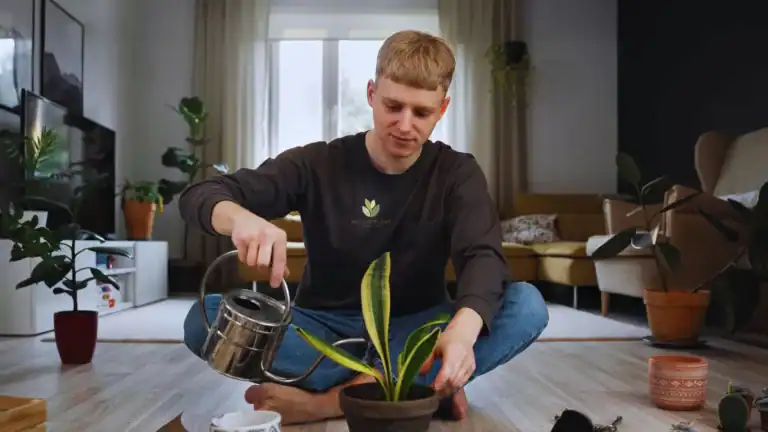
Snake Plant (Sansevieria trifasciata)
Also known as Mother-in-Law’s Tongue, the Snake Plant is virtually indestructible. Its stiff, upright leaves add a modern, architectural element to a room.
- Care Level: Almost impossible to kill.
- Light: Thrives in anything from low light to bright, indirect sun. Avoid direct, harsh sunlight which can scorch the leaves.
- Water: This is a succulent, so it stores water in its leaves. Water sparingly, letting the soil completely dry out. Overwatering is the only way to kill it.
- Why it’s great: It’s one of the best plants for improving air quality, converting CO2 into oxygen even at night.
Peace Lily (Spathiphyllum)
For a touch of elegance, you can’t beat the Peace Lily. With its glossy, dark green leaves and graceful white blooms (spathes), it brings a serene, calming feel to a space.
- Care Level: Easy, but a bit more communicative than others.
- Light: Does well in low to medium light. Less light means fewer flowers.
- Water: This is your drama queen. It will dramatically droop when thirsty, then perk up minutes after watering. Water when the top inch of soil feels dry.
- Caution: Toxic to cats and dogs, so keep it out of their reach.
Pothos
If you’re looking for a trailing plant to place on a high shelf or a bookcase, Pothos is the answer. Often called “Devil’s Ivy” because it’s so hard to kill, it features heart-shaped leaves that can be green, variegated, or golden.
- Care Level: Very easy.
- Light: Tolerates low light, but variegation will be more pronounced in medium, indirect light.
- Water: Let the soil dry out completely between waterings.
- Why it’s great: It’s a fast grower, quickly filling in a space and creating a lush, jungle-like vibe.
ZZ Plant (Zamioculcas zamiifolia)
The ZZ Plant is the plant for people who travel frequently. Its waxy, dark green leaflets make it look artificial, but it’s very much alive and incredibly tough.
- Care Level: Extremely low maintenance.
- Light: Thrives under fluorescent lights and in deep shade. It’s the best choice for offices with no windows.
- Water: Water only when the soil is completely bone dry. The rhizomes (thick, potato-like roots) hold water for months.
- Why it’s great: Its waxy leaves reflect light, brightening up dark corners.
Choosing the Right Indoor Plants for Your Home
Not every plant is right for every home. The key to long-term success is matching the plant to the environment. Here’s how to choose based on your specific conditions.
Low-Light Indoor Plants
Don’t have a south-facing window? No problem. Many common varieties actually prefer to avoid the harsh sun. For a dimly lit bathroom or a north-facing bedroom, consider the ZZ Plant, Snake Plant, or Peace Lily. You can also try a Chinese Evergreen (Aglaonema) , whose colorful leaves can brighten a shady spot.
Low-Maintenance Indoor Plants
For the busy professional or the chronic forgetter, succulents and drought-tolerant plants are your best friends. Besides the Snake Plant and ZZ Plant, consider the Jade Plant or Aloe Vera. They need a sunny spot and very infrequent watering. Remember, the number one cause of death for indoor plants is overwatering, not neglect.
Indoor Plants for Small Spaces
Square footage is precious. You need plants that grow vertically or don’t take up floor space. Pothos and Philodendron can be trained to climb a small trellis or left to trail from a wall-mounted planter. Air Plants (Tillandsia) require no soil at all and can be displayed in tiny glass terrariums or on magnets.
Indoor Plants for Offices
Your workspace needs a plant that can survive the weekend without you and tolerate artificial light. The ZZ Plant is the undisputed champion here. A small Snake Plant on your desk can also help filter the air in a potentially stuffy office environment.
Comparison Table: Quick Glance at Top Picks
| Plant Name | Light Requirement | Watering Frequency | Pet Friendly | Difficulty |
|---|---|---|---|---|
| Spider Plant | Bright, indirect to Low | Moderate | Yes | Very Easy |
| Snake Plant | Low to Bright indirect | Infrequent (every 2-3 weeks) | No | Easiest |
| Peace Lily | Low to Medium | Moderate (droops when thirsty) | No | Easy |
| Pothos | Low to Bright indirect | Infrequent | No | Very Easy |
| ZZ Plant | Low to Bright indirect | Very Infrequent (monthly) | No | Easiest |
Indoor Plant Care Tips

Once you’ve chosen your green companions, understanding their basic needs is crucial for helping them thrive.
Watering Guidelines
Forget the schedule. Your plant doesn’t care what day of the week it is. The best method is the “finger test.” Stick your finger about an inch or two into the soil. If it feels dry, it’s time to water. If it feels moist, wait. Always water thoroughly until it drains out the bottom of the pot, ensuring the roots get a good soak. Never let your plant sit in standing water, as this leads to root rot.
Light and Placement
Observe your light. South-facing windows get the most intense, direct light. East-facing windows get gentle morning sun, perfect for many plants. West-facing windows get strong afternoon sun, and north-facing windows offer the least light. Rotate your plants a quarter turn every time you water to ensure they grow evenly and don’t lean toward the sun.
Fertilization and Soil Tips
During the growing season (spring and summer), feed your plants with a balanced, water-soluble fertilizer diluted to half strength every 4-6 weeks. Most houseplants prefer a well-aerated, chunky potting mix. You can buy specific mixes for different plant types, like succulent mix for your Snake Plant, which provides better drainage.
Common Pests and Diseases
The most common indoor pests are spider mites, mealybugs, and fungus gnats.
- Spider Mites: Look for fine webbing. Wipe leaves with insecticidal soap.
- Mealybugs: Look like white, cottony fluff. Dab them with a Q-tip dipped in rubbing alcohol.
- Fungus Gnats: Small black flies in the soil. They are a sign of overwatering. Let the soil dry out more between waterings.
Propagation Methods
Propagation is the magic of creating new plants from your existing ones.
- Division: Spider Plant pups can be placed in water or soil to root.
- Stem Cuttings: Snip a piece of Pothos vine with a few leaves and a node (the little bump on the stem). Place it in water, and roots will appear in a few weeks.
Indoor Plant Care by Room Type
Here’s that unique perspective I promised. Thinking of your home as a series of microclimates is a game-changer.
- Living Room: Often the brightest room. This is where your statement plants go. Group a large Fiddle Leaf Fig with a trailing Pothos on a shelf to create a lush focal point.
- Bedroom: For restful sleep, choose plants that release oxygen at night, like the Snake Plant or Aloe Vera. Their calming, sculptural forms also promote tranquility.
- Bathroom: The high humidity from showers makes this a paradise for tropical plants. Ferns, Peace Lilies, and Orchids will love the steamy environment.
- Kitchen: A sunny windowsill is perfect for culinary herbs like basil and mint. A small Spider Plant can help absorb excess moisture and odors.
Decorative & Styling Ideas with Indoor Plants
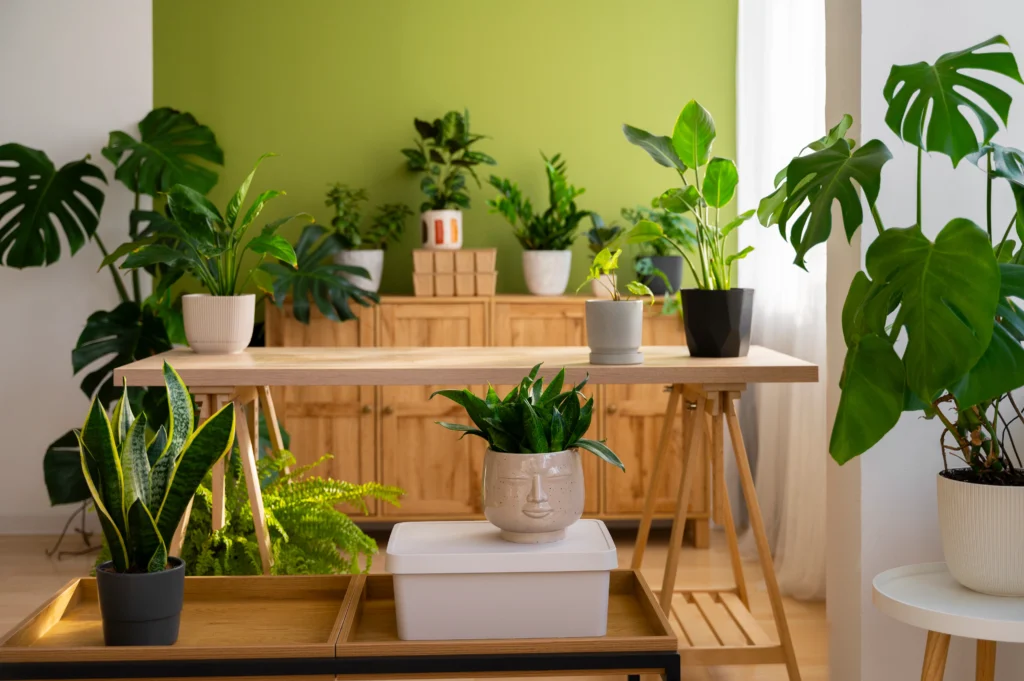
Styling your plants is where you get to have fun and express your personality.
- Living Room Plant Placement: Use plant stands of varying heights to create dimension. A large plant in a beautiful basket can anchor a seating area.
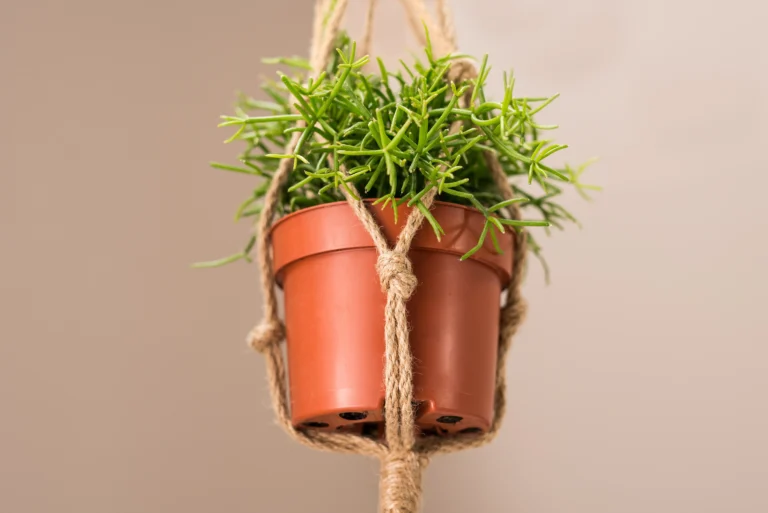
- Small Space Plant Styling: Go vertical! Install floating shelves and let a Pothos or String of Hearts cascade down. Use wall-mounted planters to turn a bare wall into a living art piece.
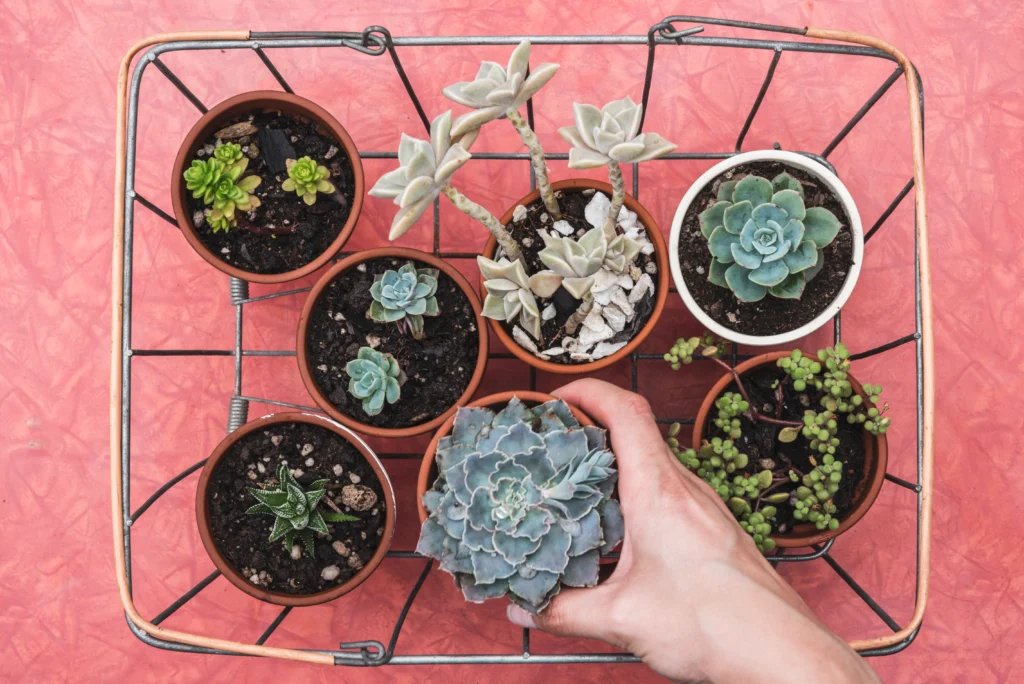
- Indoor Plant Décor Trends: The current trend is moving away from minimalist single pots towards “plant jungles” and maximalism. Think macrame hangers, vintage ceramic pots, and mixing a wide variety of foliage textures and colors. Terracotta pots are a timeless classic that look good in any setting.
Frequently Asked Questions (FAQ)
What are the easiest indoor plants for beginners?
The consensus among experts is that Snake Plants, ZZ Plants, and Pothos are the absolute easiest. They are incredibly forgiving and can survive a wide range of conditions and neglect.
Which indoor plants survive low light?
For areas with minimal natural light, your best bets are the ZZ Plant, Snake Plant, and Peace Lily. They are adapted to survive on the forest floor under the canopy of larger trees.
How often should I water indoor plants?
There is no one-size-fits-all answer. It depends on the plant, the pot size, and the season. The best practice is to check the soil moisture with your finger. Most common house plants prefer to dry out partially between waterings.
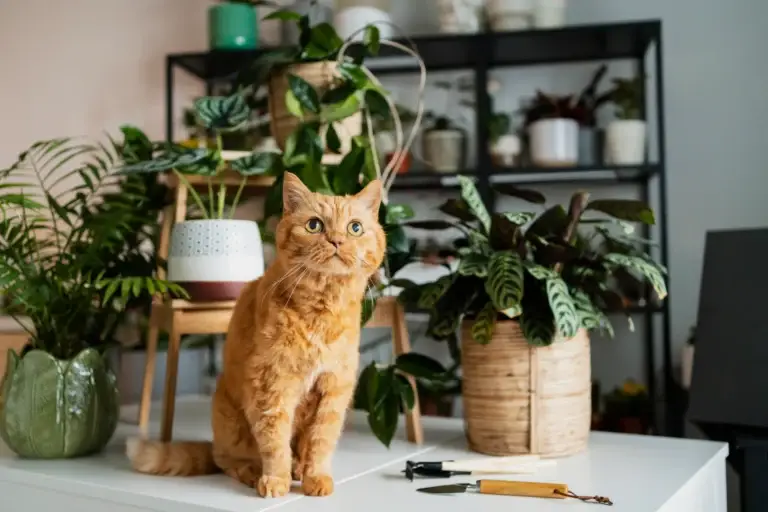
Are indoor plants safe for pets?
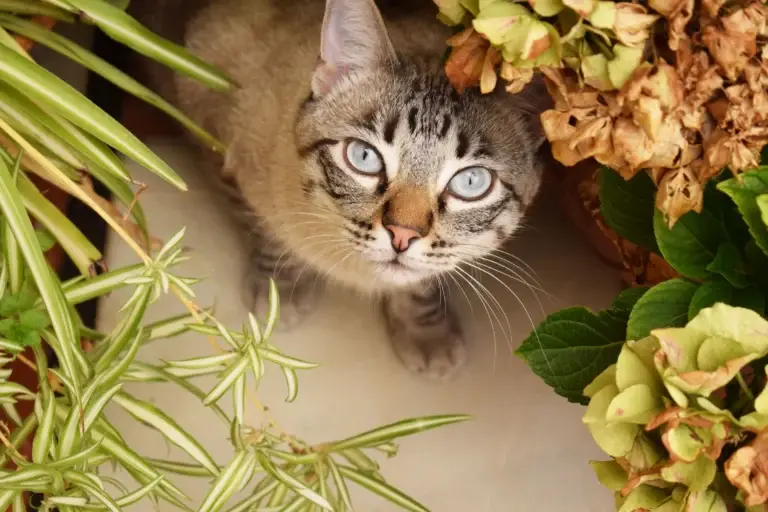
Many common plants are toxic to cats and dogs. Peace Lilies, Pothos, and Snake Plants can cause oral irritation and vomiting if ingested. If you have curious pets, stick to Spider Plants, Boston Ferns, or African Violets, which are non-toxic.
How can I propagate common indoor plants?
The easiest methods are via stem cuttings (for plants like Pothos) or division (for plants like Spider Plants). Simply place the cutting in a jar of water on a sunny windowsill and wait for roots to develop.
Which indoor plants purify the air?
The famous NASA Clean Air Study highlighted several plants for their air-purifying qualities. Top performers include the Snake Plant, Peace Lily, Spider Plant, and Dracaena.
How do I prevent pests on indoor plants?
Prevention is better than cure. Always inspect new plants for pests before bringing them home. Quarantine them for a week or two. Avoid overwatering, which attracts fungus gnats, and occasionally wipe down leaves with a damp cloth to keep them dust-free and healthy.
============================================================
Disclaimer
The information provided in this article is for educational and informational purposes only. While we strive to provide accurate and up-to-date content about indoor house plants, individual results may vary depending on your home environment, plant type, and care practices. The author and website are not responsible for any plant damage, injury, or other issues that may arise from following the guidance in this article. Always use your best judgment and consult a professional if needed.
============================================================
Image Copyright / Usage Notice
All images used in this article are sourced from Freepik and are intended for editorial and illustrative purposes only. We have used royalty-free images, and no copyright infringement is intended. If you are the rightful owner of any image and wish to request removal, please contact us, and it will be promptly addressed. Images are used to enhance the content and improve reader experience.
Related Articles:
- The Ultimate Guide: Self Watering Pots for Indoor Plants – Care & Tips – learn how to make plant care easier and stress-free.
- How to Take Care of Indoor Plants for Beginners: 7 Unkillable Plants That Thrive in Low Light – perfect for beginners looking for easy-to-grow indoor plants.
- How to Keep a Lily Plant Alive Indoors: Proven Tips Every Beginner Must Know – step-by-step tips for keeping delicate indoor plants healthy.
Professional Reference:
For authoritative guidance on cat-safe plants, visit the ASPCA Toxic & Non-Toxic Plant List.